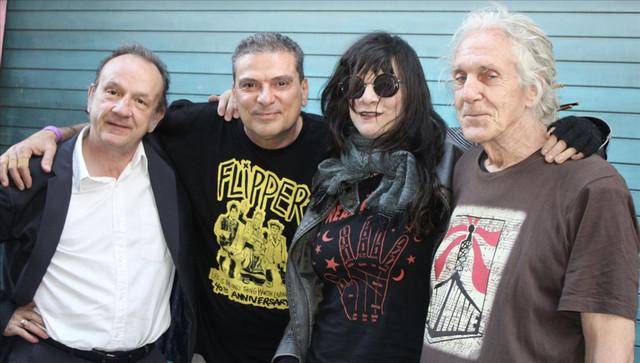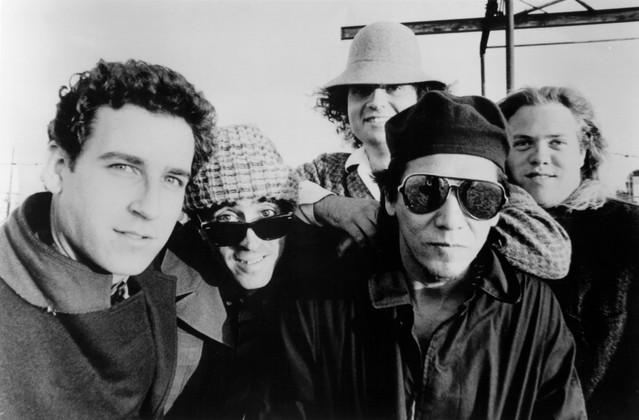
Saccharine Trust

Punk
Punk Rock
Noise Rock
Free Jazz
 Viberate Rank: 233989
 Viberate Rank: 233989
 Monthly ListenersFollowers
 Subscribers
 Followers
 Followers
 FansTop Spotify Songs
| Track | 7-Day Streams | |
|---|---|---|
1 | 462 | |
2 | 279 | |
3 | 186 | |
4 | 172 | |
5 | 129 |
Top YouTube VideosMonthly ListenersFeatured in Playlists| Playlist | Followers | |
|---|---|---|
1 |  songs to eat glass to Machine Girl | 8.89K |
2 |  Kurt Cobain's 50 Favorite Records The Dowsers | 8.16K |
3 |  music 4 u Nick Buxton | 4.91K |
4 |  Matador Recommends Matador Records | 4.81K |
5 |  The Sound of Post-Punk The Sounds of Spotify | 4.58K |
Audience| City | Monthly Listeners | |
|---|---|---|
1 | | 141 |
2 | | 52 |
3 | | 49 |
4 | | 47 |
5 | | 42 |
See full performance history, audience data, playlist activity, rankings, comparisons, and more in Viberate music analytics. Start with a free trial, then continue with a paid plan.
Saccharine Trust’s Spotify BioAlthough Greg Ginn's record label SST was, early on, associated with the angry, overamped guitar rant of SoCal hardcore (some of which came courtesy of Ginn's own band Black Flag), SST was also recording bands that pushed the limits of hardcore. Bands like the Minutemen, Universal Congress Of, and especially Saccharine Trust gleefully tossed in chunks of '70s progressive rock, avant-garde jazz, and funky kicks and pops into a stew already percolating with heavy(ish) metal riffing, shouted vocals, and extreme volume. Not all of the boundary-pushing that Saccharine Trust did was good (in fact, some of it is downright awful), but when they kept their tendency toward grandiose self-indulgence in check, they were a pretty formidable proposition, especially live, and recorded at least one indispensable record, 1986's We Became Snakes.
Formed in the early '80s by Joaquin (aka Jack) Brewer and guitarist Joe Baiza, Saccharine Trust metamorphosed from a dissonant, noisy, anti-rock quartet into a… more sophisticated, but still jagged and noisy rock-jazz band. Frequently, the band's "songs" were semi- or wholly improvised using a basic riff or simple drum pattern for guidance, rapidy expanding into uncharted territory. Not the most important band to emerge from Los Angeles in the early '80s, Saccharine Trust is interesting for incorporating varied textural elements into a genre that was defined by volume and simplicity. This band took risks that many of their SoCal brethren would never have dreamed of taking. This, however, does not make Saccharine Trust better than their peers, simply different, and a little more intriguing. By the early '90s, Brewer started his own band called, big surprise, the Jack Brewer Band. Joe Baiza formed the fine, funky, and exciting Universal Congress Of. ~ John Dougan, Rovi
Viberate is a music analytics platform built for A&Rs, artist managers, labels, booking agents, marketers, and artists.
It helps music professionals track artist growth, analyze audience data, monitor playlist activity, compare artists, follow song performance, and identify opportunities across the music market.
Public artist pages provide a free preview of selected artist data. Paid plans provide access to deeper analytics, historical data, charts, comparisons, playlist tools, exports, alerts, reports, and additional professional features.
Yes. Public Viberate artist pages provide selected artist analytics and music data for free.
Viberate also offers a 7-day free trial of the full platform. A credit card is required to start the trial. The trial includes access to the complete product so users can test deeper artist analytics, historical views, playlist insights, comparisons, charts, exports, alerts, and reporting features before choosing a paid plan.
Viberate provides artist analytics across streaming, playlists, social media, video, radio airplay, songs, and audience markets.
Users can analyze Spotify performance, Spotify and Apple Music playlists, YouTube activity, TikTok and Instagram growth, radio spins, song performance, audience locations, demographics, rankings, and overall artist momentum.
Artist profiles also connect to music charts, similar artists, and comparison tools, helping users benchmark performance and evaluate artists in context.
Viberate updates key artist and track data daily.
For followed artists and tracks, selected data is refreshed multiple times per day. This helps teams monitor playlist changes, streaming movement, audience growth, releases, and campaign performance with more current data.
Update frequency can vary depending on the metric and data source.
Yes. Viberate lets users compare up to five artists side by side across streaming, social media, audience, and engagement metrics.
Users can compare fanbase growth, audience demographics, locations, Spotify performance, social metrics, and other artist data over selected time periods.
Artist comparison can be used for A&R scouting, benchmarking, booking decisions, campaign planning, and evaluating artists with similar audiences or market positions.