The Metroschifter

Rock
Alternative Rock
Noise Rock
Hardcore Punk
 Viberate Rank: 422409
 Viberate Rank: 422409
 Monthly ListenersFollowers
 Subscribers
 Followers
 Followers
 FansTop Spotify Songs
| Track | 7-Day Streams | |
|---|---|---|
1 | 43 | |
2 | 42 | |
3 | 20 | |
4 | 17 | |
5 | 17 |
Top YouTube VideosMonthly ListenersFeatured in Playlists| Playlist | Followers | |
|---|---|---|
1 |  Post-Hardcore: Classics Iodine Recordings | 5.66K |
Audience| City | Monthly Listeners | |
|---|---|---|
1 | | 14 |
2 | | 13 |
3 | | 7 |
4 | | 7 |
5 | | 7 |
See full performance history, audience data, playlist activity, rankings, comparisons, and more in Viberate music analytics. Start with a free trial, then continue with a paid plan.
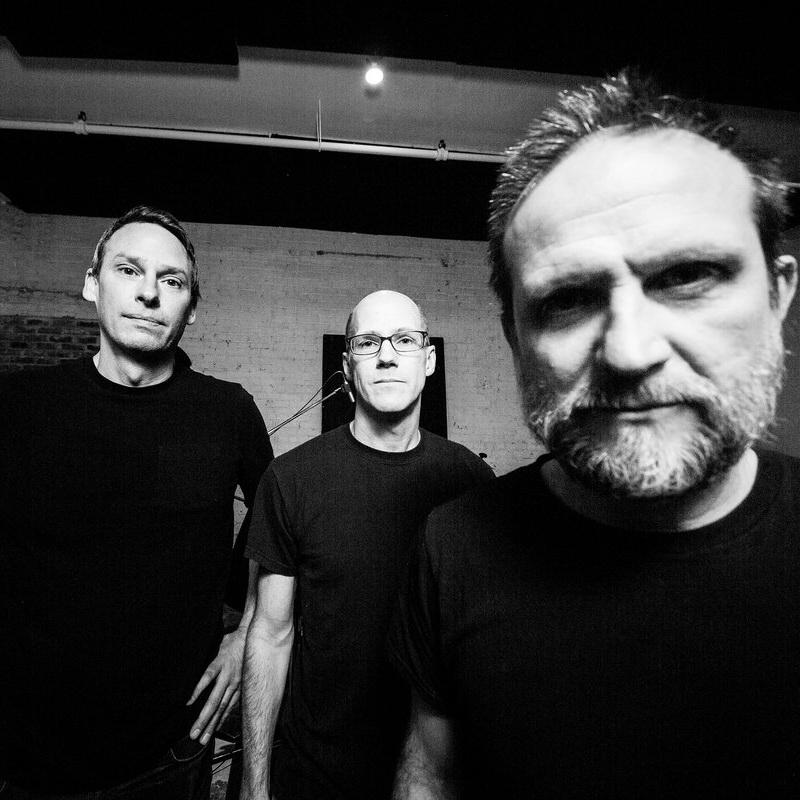
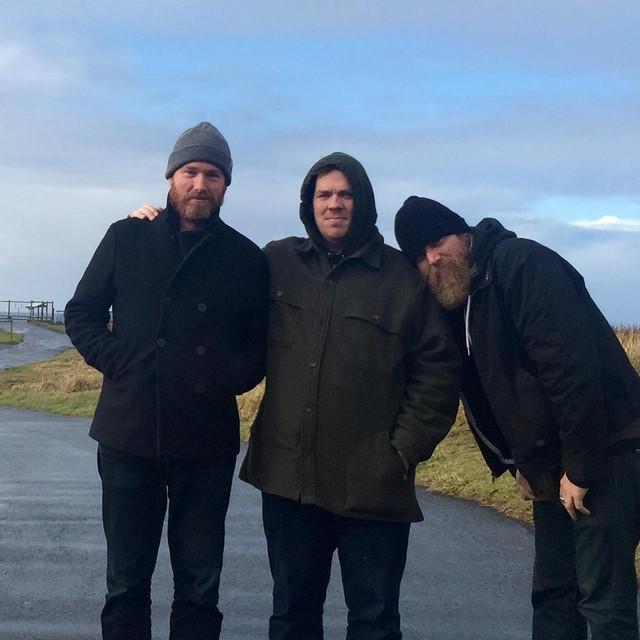
The Metroschifter’s Spotify BioThe Metroschifter began in 1994 when Scott Ritcher (Sunspring), Pat McClimans (Falling Forward) and Mario Rubalcaba (Clikatat Ikatowi) met up in Louisville, Kentucky. The band introduced a unique mix of overdriven, melodic indie rock and complex hardcore on their debut album The Metroschifter Capsule.
Chris Reinstatler (Transcend) took over drumming duties in 1996 and the band went on to release four albums with Doghouse Records and to tour extensively, playing hundreds of concerts on five US tours and six trips to Europe.
The band released Metroschifter Encapsulated in 2000, a unique record on which a cast of other bands were recruited to record previously unreleased Metroschifter songs. The result was an album of new Metroschifter songs performed by the likes of Elliott, The Get Up Kids, Ink & Dagger, The Promise Ring, Refused, Burning Airlines, Rye Coalition and more.
Metroschifter launched its own label, I Can’t Believe It’s A Record Company, in 1998, and the band members have… collaborated on other projects as well.
Chris Reinstatler performed in Jon Ashley's The Shooting Gallery and Brett Ralph’s Kentucky Chrome Revue. Pat McClimans has recorded solo, with the Pat McClimans Group and with Lafayette, Indiana’s Root Hog. In addition to recording and touring as a solo artist, Scott Ritcher has recorded with Best Actress and Stockholm’s Jazzbrunch.
The Metroschifter had another European tour booked for December 2021 but it was canceled due to COVID safety concerns.
Viberate is a music analytics platform built for A&Rs, artist managers, labels, booking agents, marketers, and artists.
It helps music professionals track artist growth, analyze audience data, monitor playlist activity, compare artists, follow song performance, and identify opportunities across the music market.
Public artist pages provide a free preview of selected artist data. Paid plans provide access to deeper analytics, historical data, charts, comparisons, playlist tools, exports, alerts, reports, and additional professional features.
Yes. Public Viberate artist pages provide selected artist analytics and music data for free.
Viberate also offers a 7-day free trial of the full platform. A credit card is required to start the trial. The trial includes access to the complete product so users can test deeper artist analytics, historical views, playlist insights, comparisons, charts, exports, alerts, and reporting features before choosing a paid plan.
Viberate provides artist analytics across streaming, playlists, social media, video, radio airplay, songs, and audience markets.
Users can analyze Spotify performance, Spotify and Apple Music playlists, YouTube activity, TikTok and Instagram growth, radio spins, song performance, audience locations, demographics, rankings, and overall artist momentum.
Artist profiles also connect to music charts, similar artists, and comparison tools, helping users benchmark performance and evaluate artists in context.
Viberate updates key artist and track data daily.
For followed artists and tracks, selected data is refreshed multiple times per day. This helps teams monitor playlist changes, streaming movement, audience growth, releases, and campaign performance with more current data.
Update frequency can vary depending on the metric and data source.
Yes. Viberate lets users compare up to five artists side by side across streaming, social media, audience, and engagement metrics.
Users can compare fanbase growth, audience demographics, locations, Spotify performance, social metrics, and other artist data over selected time periods.
Artist comparison can be used for A&R scouting, benchmarking, booking decisions, campaign planning, and evaluating artists with similar audiences or market positions.