Milemarker

Punk
Hardcore Punk
Post Hardcore
Alternative Rock
 Viberate Rank: 372074
 Viberate Rank: 372074
 Monthly ListenersFollowers
 Subscribers
 Followers
 Followers
 FansTop Spotify Songs
| Track | 7-Day Streams | |
|---|---|---|
1 | 388 | |
2 | 138 | |
3 | 134 | |
4 | 86 | |
5 | 67 |
Top YouTube VideosMonthly ListenersFeatured in Playlists| Playlist | Followers | |
|---|---|---|
1 |  Duyster (all tracks ever played) Wike | 8.15K |
2 | STEVE ALBINI Sorgesalmen | 5.87K |
3 |  Screamo 1992-2006 sylvia | 5.01K |
4 |  Studio Brussel: duyster (all tracks ever played) Studio Brussel | 3.29K |
5 |  Props BMX - Songs Roberto LP Corrêa | 2.77K |
Audience| City | Monthly Listeners | |
|---|---|---|
1 | | 44 |
2 | | 32 |
3 | | 21 |
4 | | 21 |
5 | | 19 |
See full performance history, audience data, playlist activity, rankings, comparisons, and more in Viberate music analytics. Start with a free trial, then continue with a paid plan.
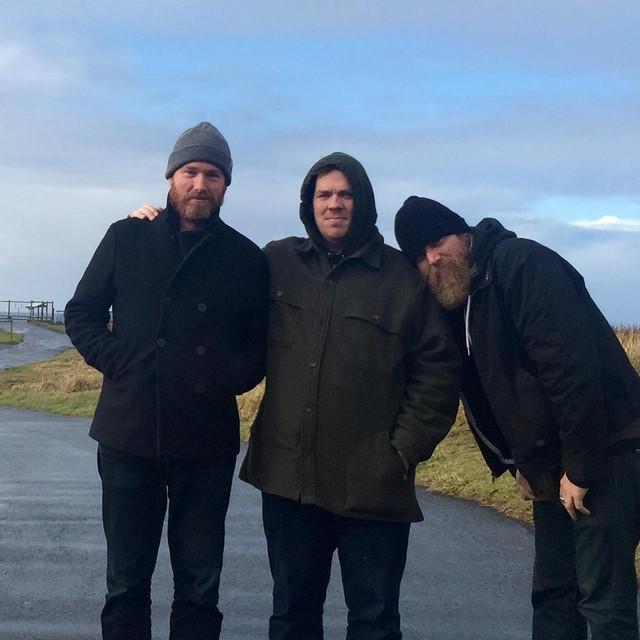
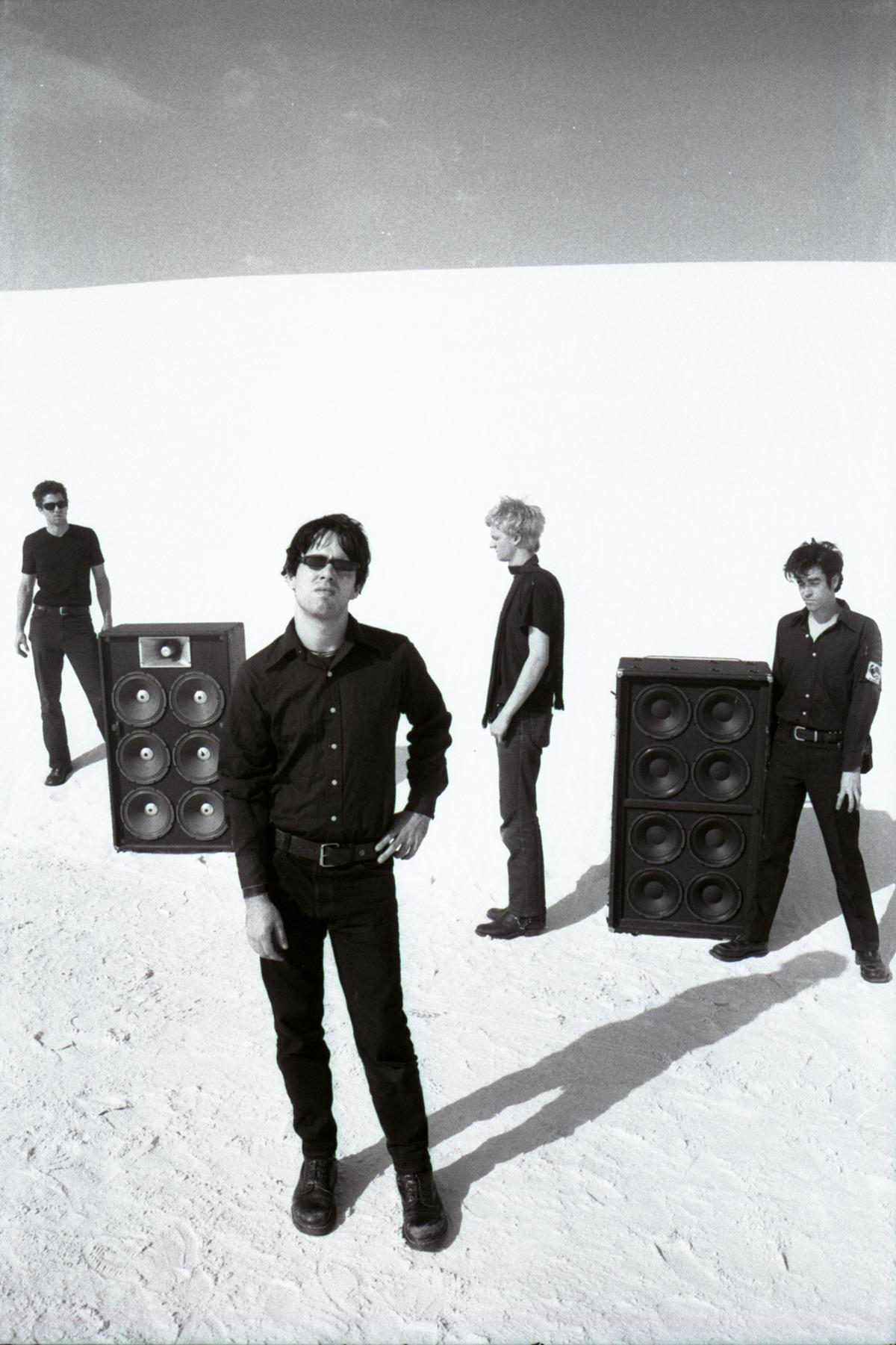
Milemarker’s Spotify BioCombining a theatrical stage approach, scabrous, angular guitars, and a vaguely political aesthetic, Milemarker formed as a three-piece in the summer of 1997 when drummer Ben Davis moved from Washington, D.C., to Chapel Hill, where he hooked up with longtime friends, guitarist Dave Laney and bassist Al Burian. When their various other bands broke up at the end of the summer, Milemarker became the trio's primary focus, and they expressed their renewed intent on recording and touring.
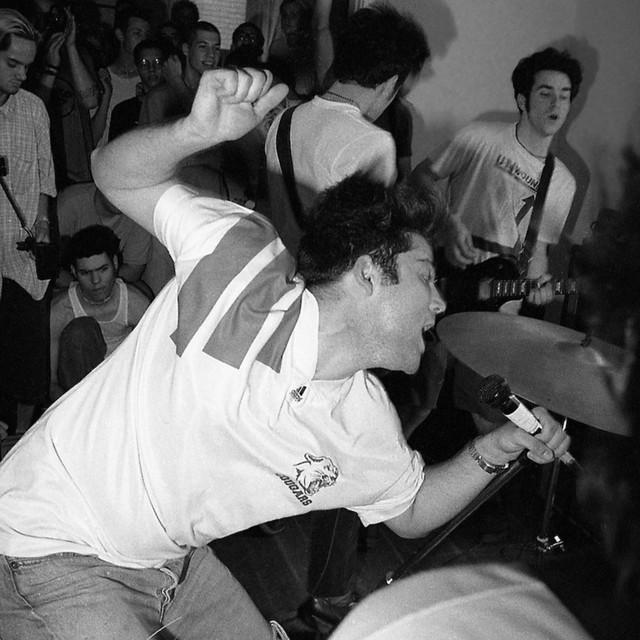
Uninterested in re-creating their live show on record, Milemarker's initial recordings are lo-fi excursions overflowing with samples, loops, and a variety of manipulated sounds. Their first full-length, Non Plus Ultra (Paralogy), was released in early 1998, after which they were accompanied on tour by roommate Roby Newton, who handled the band's light show and tape loops. The show includes snippets of ranting evangelical preachers played as background noise while the band is clad in shirts bearing the names… of the four riders of the apocalypse, prompting one audience member to congratulate them on spreading the "Christian message."
The band's second album, Future Isms (Stick Figure), was released at the end of the year and moved the band toward re-creating their hardcore live sound, which now included immolation of the drum set. The album actually features Laney on drums and Davis playing keyboards, but after a brief tour without Davis, during which Sean Husick joined the band on drums, Davis returned to the band. In the fall of 1999, the band recorded their third album, Frigid Forms Sell (Lovitt/Jade Tree), with producer Brian McTernan (Cave-In, the Explosion) at Salad Days in Washington, D.C., as a five-piece, with Husick joining the band as its permanent drummer, Newton on keyboards and vocals, and Davis doing a little of everything. But Davis was left behind as the band toured Europe and the U.S. (twice) and is then left in Chapel Hill when the rest of the band moved to Chicago.
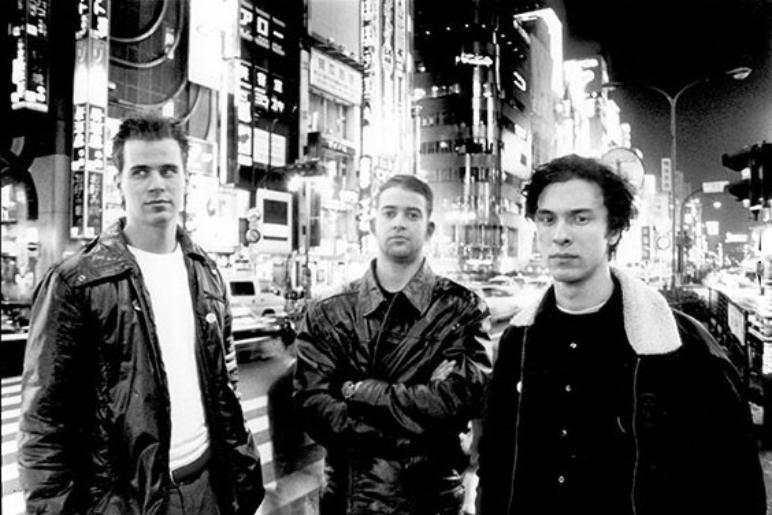
Signing with Jade Tree, and with McTernan again producing, the band recorded their most accomplished album to date, Anaesthesia, in March of 2001. They toured Japan during the summer, after which, Husick quit the band to pursue a solo career. He was replaced on drums by Noah Leger. ~ Chris Parker, Rovi
Viberate is a music analytics platform built for A&Rs, artist managers, labels, booking agents, marketers, and artists.
It helps music professionals track artist growth, analyze audience data, monitor playlist activity, compare artists, follow song performance, and identify opportunities across the music market.
Public artist pages provide a free preview of selected artist data. Paid plans provide access to deeper analytics, historical data, charts, comparisons, playlist tools, exports, alerts, reports, and additional professional features.
Yes. Public Viberate artist pages provide selected artist analytics and music data for free.
Viberate also offers a 7-day free trial of the full platform. A credit card is required to start the trial. The trial includes access to the complete product so users can test deeper artist analytics, historical views, playlist insights, comparisons, charts, exports, alerts, and reporting features before choosing a paid plan.
Viberate provides artist analytics across streaming, playlists, social media, video, radio airplay, songs, and audience markets.
Users can analyze Spotify performance, Spotify and Apple Music playlists, YouTube activity, TikTok and Instagram growth, radio spins, song performance, audience locations, demographics, rankings, and overall artist momentum.
Artist profiles also connect to music charts, similar artists, and comparison tools, helping users benchmark performance and evaluate artists in context.
Viberate updates key artist and track data daily.
For followed artists and tracks, selected data is refreshed multiple times per day. This helps teams monitor playlist changes, streaming movement, audience growth, releases, and campaign performance with more current data.
Update frequency can vary depending on the metric and data source.
Yes. Viberate lets users compare up to five artists side by side across streaming, social media, audience, and engagement metrics.
Users can compare fanbase growth, audience demographics, locations, Spotify performance, social metrics, and other artist data over selected time periods.
Artist comparison can be used for A&R scouting, benchmarking, booking decisions, campaign planning, and evaluating artists with similar audiences or market positions.