Rogue

Metal
Metalcore/Deathcore
Progressive Metal
 Viberate Rank: 310001
 Viberate Rank: 310001
 Monthly ListenersFollowers
 Subscribers
 Followers
 Followers
 FansTop YouTube VideosMonthly ListenersFeatured in Playlists
| Playlist | Followers | |
|---|---|---|
1 | Djent E | 14.29K |
2 | Djent/Progressive/Metalcore/Deathcore Jonas Vikkelsø Henriksen | 9.06K |
3 |  Metalcore/Deathcore/Hardcore/Screamo Mix teamo | 4.04K |
4 |  SEKKDS 10K x 10K SEKKDS | 4.00K |
5 |  Dreambound (2016/17/18/19/20) 21icebuk2jdbimfi4rthimfti | 2.97K |
Audience| City | Monthly Listeners | |
|---|---|---|
1 |  | 107 |
2 | | 88 |
3 | | 86 |
4 | | 81 |
5 | | 75 |
See full performance history, audience data, playlist activity, rankings, comparisons, and more in Viberate music analytics. Start with a free trial, then continue with a paid plan.
Rogue’s Spotify Bio“dominion” - supreme authority; absolute ownership; possession of ability to wield influence
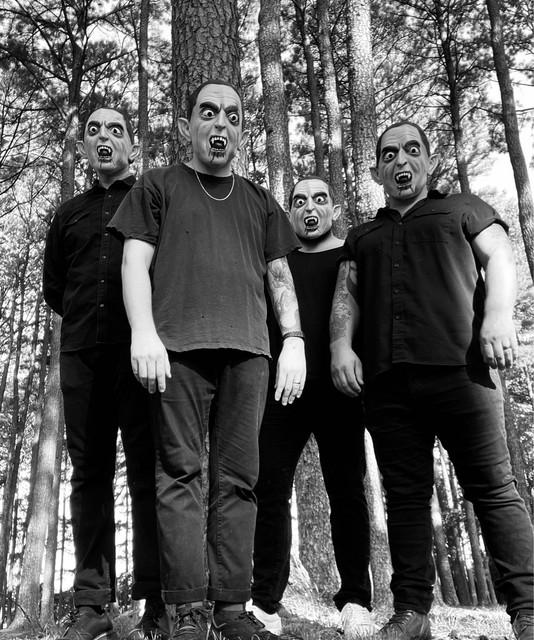
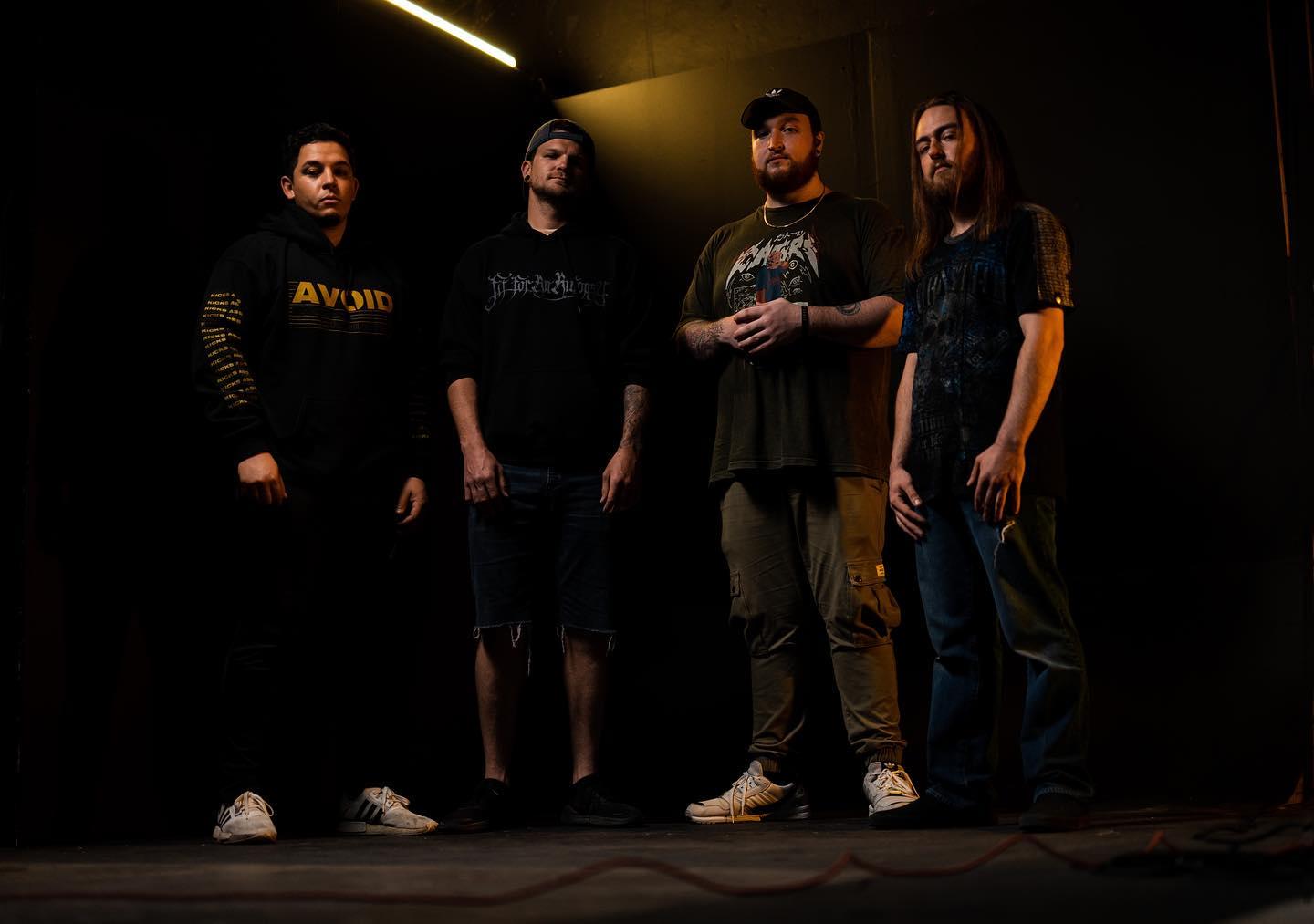
Four years removed from the last record “Phantom,” Rogue returns with ‘Dominion’ with a new message in tow. While fans have grown to expect the scrutinization of political structures and metaphysical realities atop pummeling riffs, the progressive metalcore act has shifted into unchartered territory to reflect on something different: themselves.
Following the somber tone on ‘Phantom,’ the trilogy the band crafted was now complete. But the time spent looking inward during a global pandemic took a toll, and the band decided to take a break until a new message needed to be shared. Enter ‘Club Gore,’ which introduced the first change in direction with talks of hopelessness and the human condition best described as yearning to feel something among the chaos of the world. Now with ‘Dominion,’ fans get a deeper understanding of this path with the tackling of temptation and addiction.
Never ones to… abandon the sound referred to as “face-shattering” and “hard-hitting” by The Noise, darker industrial elements are explored this time around, with more influence from film scores than ever before. With humble beginnings in rural Louisiana and eight years having passed since the debut single ‘Meta,’ Rogue acknowledges and embraces their roots, but refuses to repeat the same thing twice. ‘Dominion’ is proof, and this display of vulnerability will only be further explored in the chapter to come.
Viberate is a music analytics platform built for A&Rs, artist managers, labels, booking agents, marketers, and artists.
It helps music professionals track artist growth, analyze audience data, monitor playlist activity, compare artists, follow song performance, and identify opportunities across the music market.
Public artist pages provide a free preview of selected artist data. Paid plans provide access to deeper analytics, historical data, charts, comparisons, playlist tools, exports, alerts, reports, and additional professional features.
Yes. Public Viberate artist pages provide selected artist analytics and music data for free.
Viberate also offers a 7-day free trial of the full platform. A credit card is required to start the trial. The trial includes access to the complete product so users can test deeper artist analytics, historical views, playlist insights, comparisons, charts, exports, alerts, and reporting features before choosing a paid plan.
Viberate provides artist analytics across streaming, playlists, social media, video, radio airplay, songs, and audience markets.
Users can analyze Spotify performance, Spotify and Apple Music playlists, YouTube activity, TikTok and Instagram growth, radio spins, song performance, audience locations, demographics, rankings, and overall artist momentum.
Artist profiles also connect to music charts, similar artists, and comparison tools, helping users benchmark performance and evaluate artists in context.
Viberate updates key artist and track data daily.
For followed artists and tracks, selected data is refreshed multiple times per day. This helps teams monitor playlist changes, streaming movement, audience growth, releases, and campaign performance with more current data.
Update frequency can vary depending on the metric and data source.
Yes. Viberate lets users compare up to five artists side by side across streaming, social media, audience, and engagement metrics.
Users can compare fanbase growth, audience demographics, locations, Spotify performance, social metrics, and other artist data over selected time periods.
Artist comparison can be used for A&R scouting, benchmarking, booking decisions, campaign planning, and evaluating artists with similar audiences or market positions.