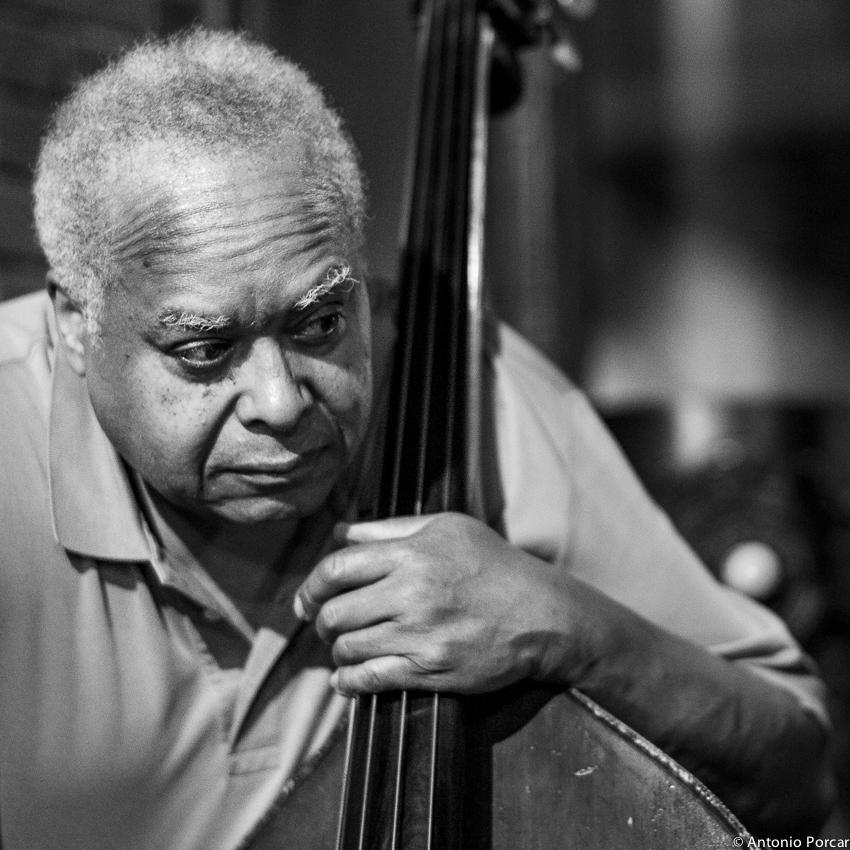
Rodney Whitaker

Jazz
Jazz Fusion
Smooth Jazz
 Viberate Rank: 249024
 Viberate Rank: 249024
 Monthly ListenersFollowers
 Subscribers
 Followers
 Followers
 FansTop Spotify Songs
| Track | 7-Day Streams | |
|---|---|---|
1 | 9.11K | |
2 | 810 | |
3 | 556 | |
4 | 180 | |
5 | 150 |
Top YouTube VideosMonthly ListenersFeatured in Playlists| Playlist | Followers | |
|---|---|---|
1 |  Avant-Jazz Spotify | 70.76K |
2 |  The Sound of Everything The Sounds of Spotify | 53.81K |
3 |  Don's Tunes | Blues & Jazz Playlist | Official Don's Tunes | 50.96K |
4 |  State of Jazz Presents Best Jazz of 2025 Spotify | 44.16K |
5 |  Un Desayuno tranquilo Guy Niv | 21.19K |
Audience| City | Monthly Listeners | |
|---|---|---|
1 | | 32 |
2 | | 21 |
3 | | 20 |
4 |  | 15 |
5 |  | 15 |
See full performance history, audience data, playlist activity, rankings, comparisons, and more in Viberate music analytics. Start with a free trial, then continue with a paid plan.
Rodney Whitaker’s Spotify BioBassist Rodney Whitaker was among the leading lights of a new generation of contemporary jazz musicians emerging from Detroit. A native of the Motor City, he began playing the violin at the age of eight, switching to the bass five years later after hearing Paul Chambers on a John Coltrane album. As a teen, he joined saxophonist Donald Washington in the group Bird/Trane/Sko/Now!, which also included a young James Carter; he later replaced bassist Robert Hurst in the Terence Blanchard-Donald Harrison Quintet, followed by a three-year stint with Roy Hargrove. After recording with the likes of Blanchard, Hargrove, Antonio Hart, Junko Onishi and Mark Whitfield, in 1996 Whitaker issued his solo debut Children of the Light; Hidden Kingdom followed two years later, and in 1999 the bassist returned with Ballads and Blues. Yesterday, Today and Tomorrow appeared in mid-2000. ~ Jason Ankeny, Rovi
Viberate is a music analytics platform built for A&Rs, artist managers, labels, booking agents, marketers, and artists.
It helps music professionals track artist growth, analyze audience data, monitor playlist activity, compare artists, follow song performance, and identify opportunities across the music market.
Public artist pages provide a free preview of selected artist data. Paid plans provide access to deeper analytics, historical data, charts, comparisons, playlist tools, exports, alerts, reports, and additional professional features.
Yes. Public Viberate artist pages provide selected artist analytics and music data for free.
Viberate also offers a 7-day free trial of the full platform. A credit card is required to start the trial. The trial includes access to the complete product so users can test deeper artist analytics, historical views, playlist insights, comparisons, charts, exports, alerts, and reporting features before choosing a paid plan.
Viberate provides artist analytics across streaming, playlists, social media, video, radio airplay, songs, and audience markets.
Users can analyze Spotify performance, Spotify and Apple Music playlists, YouTube activity, TikTok and Instagram growth, radio spins, song performance, audience locations, demographics, rankings, and overall artist momentum.
Artist profiles also connect to music charts, similar artists, and comparison tools, helping users benchmark performance and evaluate artists in context.
Viberate updates key artist and track data daily.
For followed artists and tracks, selected data is refreshed multiple times per day. This helps teams monitor playlist changes, streaming movement, audience growth, releases, and campaign performance with more current data.
Update frequency can vary depending on the metric and data source.
Yes. Viberate lets users compare up to five artists side by side across streaming, social media, audience, and engagement metrics.
Users can compare fanbase growth, audience demographics, locations, Spotify performance, social metrics, and other artist data over selected time periods.
Artist comparison can be used for A&R scouting, benchmarking, booking decisions, campaign planning, and evaluating artists with similar audiences or market positions.