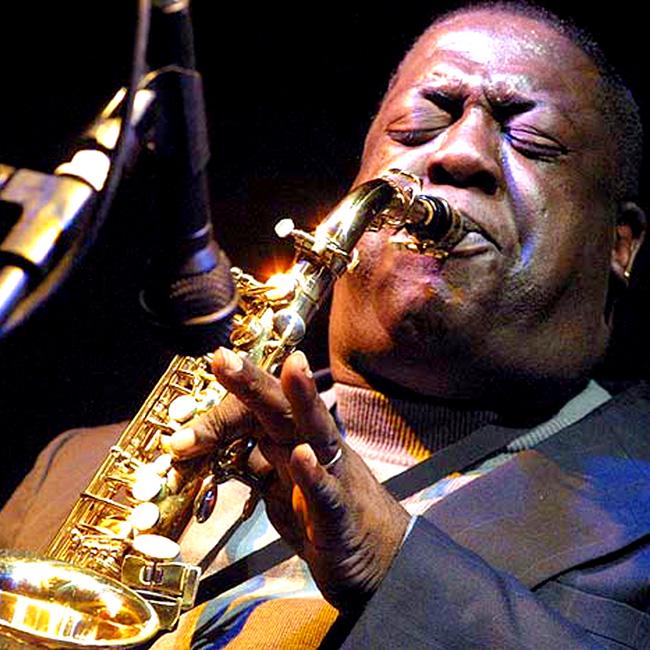
Michael Dease

Jazz
Free Jazz
Smooth Jazz
 Viberate Rank: 213588
 Viberate Rank: 213588
 Monthly ListenersFollowers
 Subscribers
 Followers
 Followers
 FansTop Spotify Songs
| Track | 7-Day Streams | |
|---|---|---|
1 | 398 | |
2 | 262 | |
3 | 150 | |
4 | 143 | |
5 | 81 |
Top YouTube VideosMonthly ListenersFeatured in Playlists| Playlist | Followers | |
|---|---|---|
1 |  The Sound of Everything The Sounds of Spotify | 53.81K |
2 | jazz,funk,soul,blues,afrobeat,latin İlker Özalp | 11.48K |
3 |  Publique - Jazz Robbie Shilstone | 9.12K |
4 |  Latin Jazz jazzineu | 8.48K |
5 |  Best of jazz trombone Mons Records | 4.29K |
Audience| City | Monthly Listeners | |
|---|---|---|
1 |  | 47 |
2 | | 44 |
3 | | 40 |
4 | | 37 |
5 |  | 28 |
See full performance history, audience data, playlist activity, rankings, comparisons, and more in Viberate music analytics. Start with a free trial, then continue with a paid plan.
Michael Dease’s Spotify BioMichael Dease is one of the world's eminent trombonists, lending his versatile sound and signature improvisations to over 200 recordings and groups as diverse as artists David Sanborn, Christian McBride, Michel Camilo, and Alicia Keys. Born in Augusta, GA, he played the saxophone and trumpet before choosing the trombone at age 17. In 2001, Dease moved to New York City to become part of the historic first class of jazz students at The Juilliard School, earning both Bachelors and Masters degrees, and quickly established a reputation as a brilliant soloist, side musician, and bandleader.
Dease, the winner of the 69th Annual DownBeat Magazine Poll for Trombonist of the Year and multi-Grammy award winner, is also a sought-after lead, section and bass trombonist with today’s leading jazz orchestras. His experiences include bands led by Christian McBride, Roy Hargrove, Nicholas Payton, Charles Tolliver, Rufus Reid, Jazz at Lincoln Center Orchestra and the Dizzy Gillespie All-Star Big… Band. However, it is on the frontline of quintets and sextets led by master musicians like The Heath Brothers, Winard Harper, Renee Rosnes, Bill Charlap, Claudio Roditi, and Lewis Nash, where Dease has revitalized the trombone’s image.
Viberate is a music analytics platform built for A&Rs, artist managers, labels, booking agents, marketers, and artists.
It helps music professionals track artist growth, analyze audience data, monitor playlist activity, compare artists, follow song performance, and identify opportunities across the music market.
Public artist pages provide a free preview of selected artist data. Paid plans provide access to deeper analytics, historical data, charts, comparisons, playlist tools, exports, alerts, reports, and additional professional features.
Yes. Public Viberate artist pages provide selected artist analytics and music data for free.
Viberate also offers a 7-day free trial of the full platform. A credit card is required to start the trial. The trial includes access to the complete product so users can test deeper artist analytics, historical views, playlist insights, comparisons, charts, exports, alerts, and reporting features before choosing a paid plan.
Viberate provides artist analytics across streaming, playlists, social media, video, radio airplay, songs, and audience markets.
Users can analyze Spotify performance, Spotify and Apple Music playlists, YouTube activity, TikTok and Instagram growth, radio spins, song performance, audience locations, demographics, rankings, and overall artist momentum.
Artist profiles also connect to music charts, similar artists, and comparison tools, helping users benchmark performance and evaluate artists in context.
Viberate updates key artist and track data daily.
For followed artists and tracks, selected data is refreshed multiple times per day. This helps teams monitor playlist changes, streaming movement, audience growth, releases, and campaign performance with more current data.
Update frequency can vary depending on the metric and data source.
Yes. Viberate lets users compare up to five artists side by side across streaming, social media, audience, and engagement metrics.
Users can compare fanbase growth, audience demographics, locations, Spotify performance, social metrics, and other artist data over selected time periods.
Artist comparison can be used for A&R scouting, benchmarking, booking decisions, campaign planning, and evaluating artists with similar audiences or market positions.