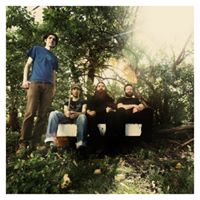
Rodan

Rock
Indie Rock
Post Rock
 Viberate Rank: 255639
 Viberate Rank: 255639
 Monthly ListenersFollowers
 Subscribers
 Followers
 Followers
 FansTop Spotify SongsTop YouTube VideosMonthly ListenersFeatured in Playlists
| Playlist | Followers | |
|---|---|---|
1 |  The Sound of Everything The Sounds of Spotify | 53.81K |
2 |  Numero Group Guide to Slowcore Numero Group | 17.01K |
3 |  Fall (Numero Group) Numero Group Concierge | 15.35K |
4 |  Night (Numero Group) Numero Group Concierge | 11.65K |
5 |  3AM Doomscroll Numero Group | 9.40K |
Audience| City | Monthly Listeners | |
|---|---|---|
1 | | 141 |
2 | | 135 |
3 | | 131 |
4 |  | 109 |
5 | | 104 |
See full performance history, audience data, playlist activity, rankings, comparisons, and more in Viberate music analytics. Start with a free trial, then continue with a paid plan.
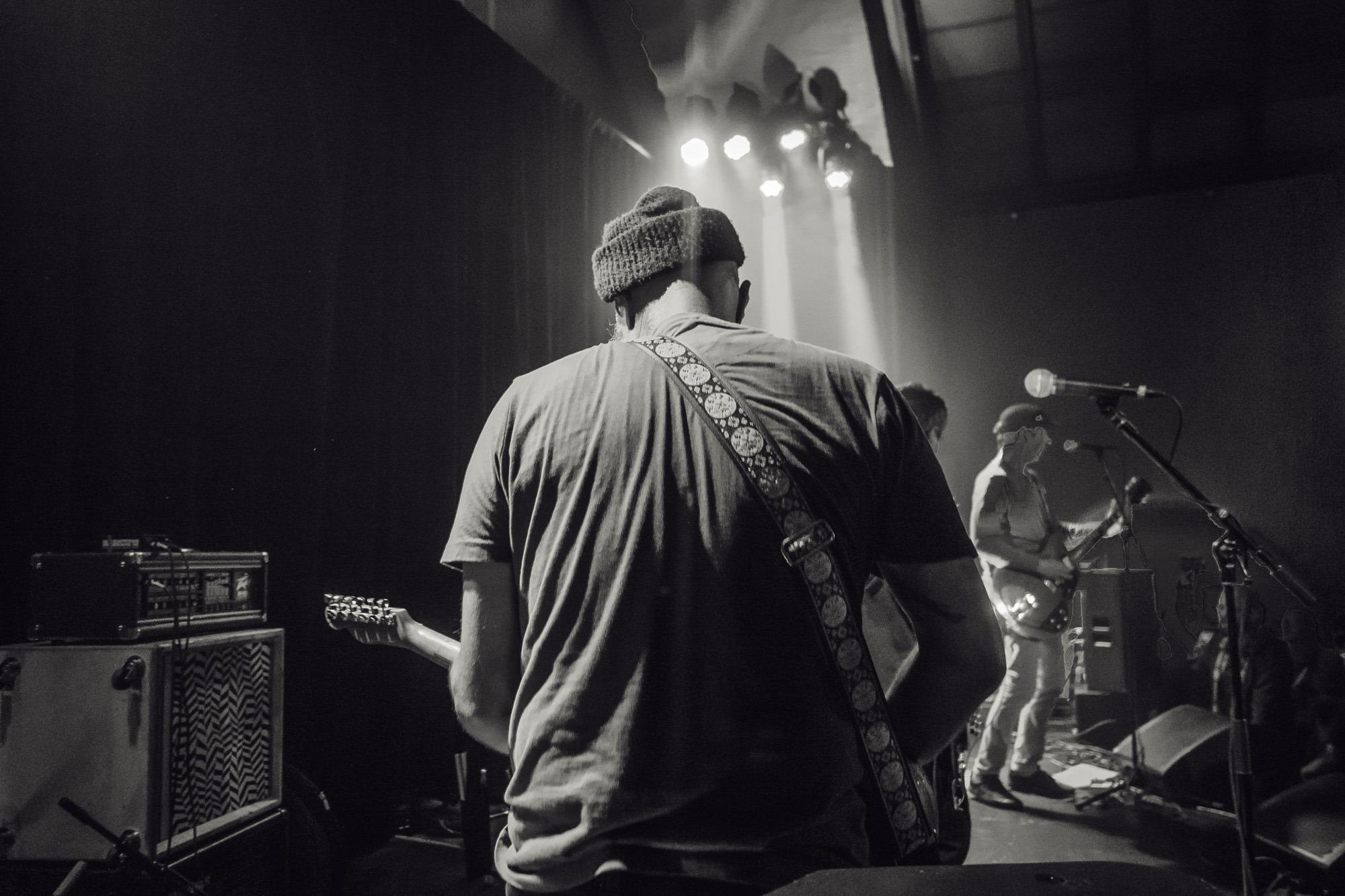
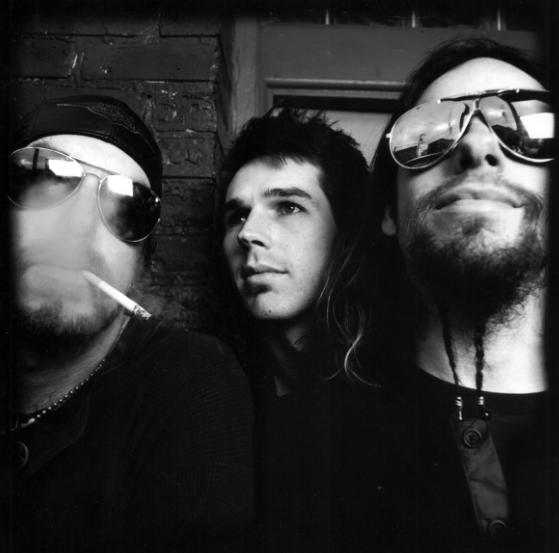
Rodan’s Spotify BioA seminal influence on the avant-garde wing of indie rock, Rodan were habitually likened to fellow Louisville natives and math rock pioneers Slint. Slint were certainly a crystal-clear influence on the group's angular art-punk, easily heard in their extreme dynamic shifts, deliberate tempos, lengthy compositions, and half-spoken vocals. Yet Rodan put their own stamp on the basic blueprint, ratcheting up the energy and writing fuller, more complex arrangements. They helped codify the pummeling yet intellectual aesthetic of what was soon dubbed math rock: textured, patterned soundscapes built on the controlled, precise use of abrasive noise and dramatically shifting volume. Although Rodan's existence was short, producing only one full-length album in their three years (1994's Rusty), their impact on math rock and post-rock was far-reaching, and most of the members moved on to new projects that were also challenging and influential.
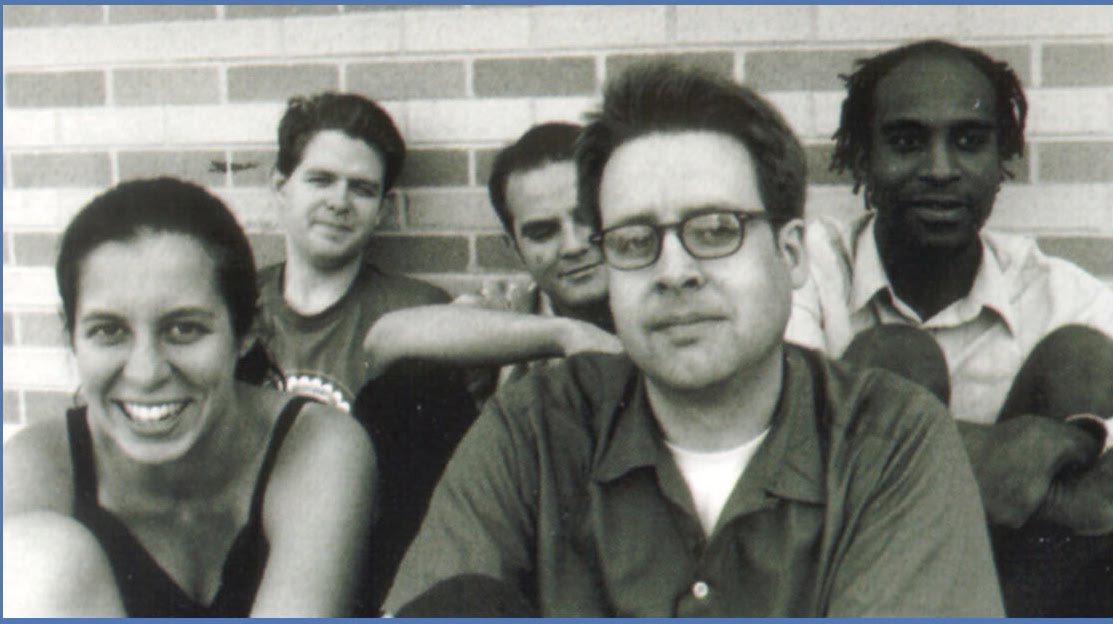
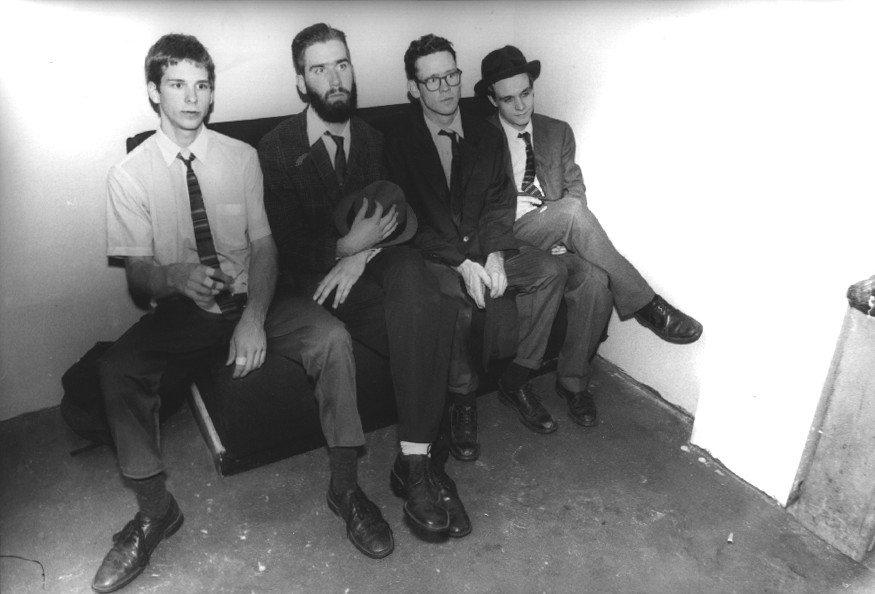
Rodan was formed in Louisville, Kentucky, in 1992 by… guitarists Jason Noble and Jeff Mueller, who'd been playing together since high school and had gone to art school before deciding to concentrate on music. They enlisted bassist Tara Jane O'Neil and initially dubbed themselves Kinkhead International. With the arrival of drummer Jon Cook -- also a member of local stalwarts Crain -- they switched their name to Rodan, after the pterodactyl star of Japanese monster movies. Committed to Crain as his primary gig, Cook didn't stick around for long; he was replaced briefly by Jon Weiss, then permanently by Kevin Coultas.
Rodan made their recorded debut in 1993 by contributing the track "Darjeeling" to the four-song various-artists seven-inch Inclined Plane, on the Simple Machines label; they shared disc space with Superchunk, Tsunami, and Unrest. It was followed by a one-off single for Three Little Girls called How the Winter Was Passed, which featured the tracks "Milk and Melancholy" and "Exoskeleton." With the help of that work and the self-released cassette Aviary, Rodan landed a deal with the Touch & Go Records subsidiary Quarterstick. The label issued their debut album, Rusty, in the spring of 1994, taking its title from engineer Bob "Rusty" Weston. It received highly positive reviews and fairly widespread press attention, quickly turning the group into a cult phenomenon. Surprisingly, they elected to disband by the end of 1994, perhaps overwhelmed by the response. They still managed to appear in the indie-themed film Half Cocked, co-directed by Michael Galinsky of the band Sleepyhead, with O'Neil playing one of the lead characters. Rodan also contributed one song, "Tron," to the soundtrack.
Rodan's early breakup only served to enhance their cult reputation, as did the bandmembers' subsequent projects. Jeff Mueller formed June of 44, which continued in a similar (if more conventionally structured) fashion as Rodan, and released several albums over the rest of the '90s. Tara Jane O'Neil teamed with Cynthia Nelson (ex-Ruby Falls) in the indie pop outfit Retsin, and went on to cut a handful of solo albums as well as collaborating with numerous indie acts of note. Jason Noble was a founding member of the post-rock chamber trio Rachel's, which enjoyed high acclaim, and in 1996 he joined forces with Mueller to form the Shipping News. Kevin Coultas played with Rachel's for a short time, as well as Thalia Zedek's Come, before reuniting with O'Neil in the Sonora Pine (which also featured June of 44 guitarist Sean Meadows).
Jason Noble died in 2012 after battling cancer; one of his final musical projects was helping to remaster rare non-LP material for a Rodan rarities compilation, Fifteen Quiet Years. Long-lost tapes from a Rodan demo session recorded in Baltimore in 1993 were remixed and issued in 2019 under the title Hat Factory '93, with the proceeds donated to Girls Rock Louisville. ~ Steve Huey
Viberate is a music analytics platform built for A&Rs, artist managers, labels, booking agents, marketers, and artists.
It helps music professionals track artist growth, analyze audience data, monitor playlist activity, compare artists, follow song performance, and identify opportunities across the music market.
Public artist pages provide a free preview of selected artist data. Paid plans provide access to deeper analytics, historical data, charts, comparisons, playlist tools, exports, alerts, reports, and additional professional features.
Yes. Public Viberate artist pages provide selected artist analytics and music data for free.
Viberate also offers a 7-day free trial of the full platform. A credit card is required to start the trial. The trial includes access to the complete product so users can test deeper artist analytics, historical views, playlist insights, comparisons, charts, exports, alerts, and reporting features before choosing a paid plan.
Viberate provides artist analytics across streaming, playlists, social media, video, radio airplay, songs, and audience markets.
Users can analyze Spotify performance, Spotify and Apple Music playlists, YouTube activity, TikTok and Instagram growth, radio spins, song performance, audience locations, demographics, rankings, and overall artist momentum.
Artist profiles also connect to music charts, similar artists, and comparison tools, helping users benchmark performance and evaluate artists in context.
Viberate updates key artist and track data daily.
For followed artists and tracks, selected data is refreshed multiple times per day. This helps teams monitor playlist changes, streaming movement, audience growth, releases, and campaign performance with more current data.
Update frequency can vary depending on the metric and data source.
Yes. Viberate lets users compare up to five artists side by side across streaming, social media, audience, and engagement metrics.
Users can compare fanbase growth, audience demographics, locations, Spotify performance, social metrics, and other artist data over selected time periods.
Artist comparison can be used for A&R scouting, benchmarking, booking decisions, campaign planning, and evaluating artists with similar audiences or market positions.