Hoover

Punk
Hardcore Punk
Post Hardcore
Alternative Rock
 Viberate Rank: 258549
 Viberate Rank: 258549
 Monthly ListenersFollowers
 Subscribers
 Followers
 Followers
 FansTop Spotify Songs
| Track | 7-Day Streams | |
|---|---|---|
1 | 2.54K | |
2 | 1.08K | |
3 | 830 | |
4 | 805 | |
5 | 732 |
Top YouTube VideosMonthly ListenersFeatured in Playlists| Playlist | Followers | |
|---|---|---|
1 |  Early Emo Numero Group | 24.23K |
2 | 100 Best Emo Songs by Vulture Ray Rahman | 9.06K |
3 |  lo-fi / garage rock / post-punk / punk / shoegaze / indie rock / noise rock Timo Tiivas | 6.89K |
4 |  Post-Hardcore: Classics Iodine Recordings | 5.66K |
5 |  90s Emo 1294439369 | 5.62K |
Audience| City | Monthly Listeners | |
|---|---|---|
1 | | 280 |
2 | | 260 |
3 | | 235 |
4 | | 199 |
5 | | 189 |
See full performance history, audience data, playlist activity, rankings, comparisons, and more in Viberate music analytics. Start with a free trial, then continue with a paid plan.
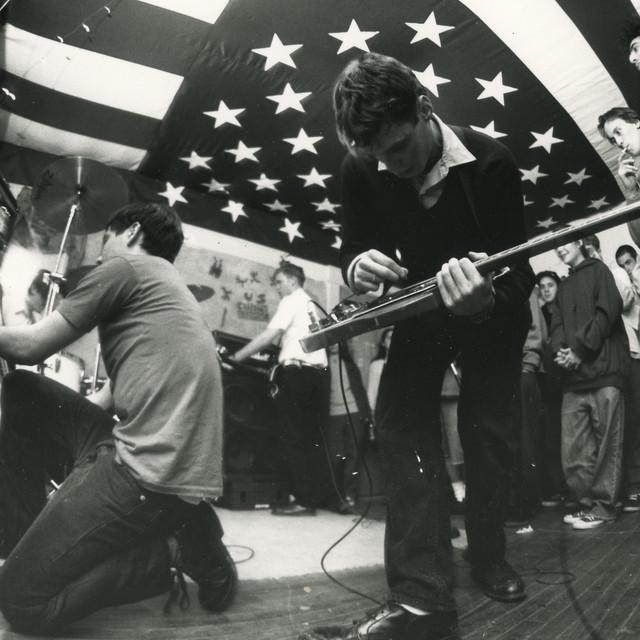
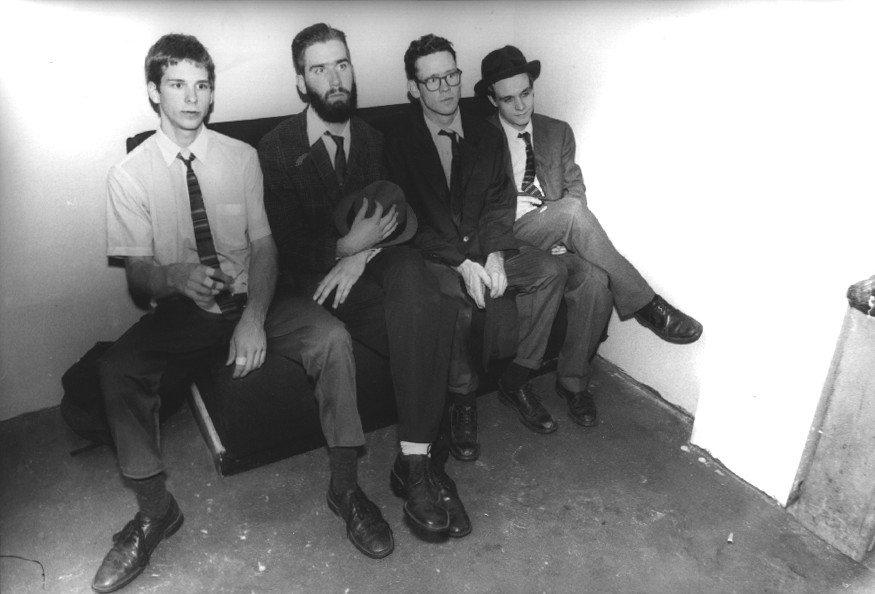
Hoover’s Spotify BioHoover, formed in Washington, D.C., in the summer of 1992, may have only existed briefly (they broke up in the spring of 1994), but the band had a tremendous impact on post-hardcore music.
Early on, Hoover was wrongly dubbed a Fugazi copycat, but played intense, angular, ominous music (to which late-'90s Fugazi may actually owe a debt) thanks to the otherworldly rhythm section of Fred Erskine on bass/vocals and Chris Farral on drums and the shattering dual guitar and vocal onslaught of Joe McRedmond and Al Dunham. With two explosive singles released in 1993, Hoover proved themselves to be one of D.C.'s most exciting new bands. Their first and only album on Dischord -- The Lurid Traversal of Route 7, released in February of 1994 -- sealed the deal. Combining the compulsive power of Drive Like Jehu, a loud-soft dynamic that was previously explored by Slint and would later be perfected by Mogwai, and the three vocalists' dramatic, purging lyrics, Hoover unleashed a fury that would not be… soon forgotten.
But, upon returning home to D.C. in April of 1994, following a tour in support of The Lurid Traversal, Hoover announced that the band would split. McRedmond and Erskine went on to form the Crownhate Ruin, which disbanded after the release of their 1995 full-length Until the Eagle Grins, and Erskine continued to play in June of 44. Dunham went on to form Regulator Watts and Albilene. Hoover had a brief reunion in 1997 to record the last four songs they wrote before the band's end. These songs were released as a self-titled EP on Slowdime in 1998. ~ Charles Spano, Rovi
Viberate is a music analytics platform built for A&Rs, artist managers, labels, booking agents, marketers, and artists.
It helps music professionals track artist growth, analyze audience data, monitor playlist activity, compare artists, follow song performance, and identify opportunities across the music market.
Public artist pages provide a free preview of selected artist data. Paid plans provide access to deeper analytics, historical data, charts, comparisons, playlist tools, exports, alerts, reports, and additional professional features.
Yes. Public Viberate artist pages provide selected artist analytics and music data for free.
Viberate also offers a 7-day free trial of the full platform. A credit card is required to start the trial. The trial includes access to the complete product so users can test deeper artist analytics, historical views, playlist insights, comparisons, charts, exports, alerts, and reporting features before choosing a paid plan.
Viberate provides artist analytics across streaming, playlists, social media, video, radio airplay, songs, and audience markets.
Users can analyze Spotify performance, Spotify and Apple Music playlists, YouTube activity, TikTok and Instagram growth, radio spins, song performance, audience locations, demographics, rankings, and overall artist momentum.
Artist profiles also connect to music charts, similar artists, and comparison tools, helping users benchmark performance and evaluate artists in context.
Viberate updates key artist and track data daily.
For followed artists and tracks, selected data is refreshed multiple times per day. This helps teams monitor playlist changes, streaming movement, audience growth, releases, and campaign performance with more current data.
Update frequency can vary depending on the metric and data source.
Yes. Viberate lets users compare up to five artists side by side across streaming, social media, audience, and engagement metrics.
Users can compare fanbase growth, audience demographics, locations, Spotify performance, social metrics, and other artist data over selected time periods.
Artist comparison can be used for A&R scouting, benchmarking, booking decisions, campaign planning, and evaluating artists with similar audiences or market positions.