A Minor Forest

Rock
Indie Rock
Math Rock
 Viberate Rank: 309952
 Viberate Rank: 309952
 Monthly ListenersFollowers
 Subscribers
 Followers
 Followers
 FansTop Spotify Songs
| Track | 7-Day Streams | |
|---|---|---|
1 | 728 | |
2 | 177 | |
3 | 117 | |
4 | 99 | |
5 | 92 |
Top YouTube VideosMonthly ListenersFeatured in Playlists| Playlist | Followers | |
|---|---|---|
1 |  Math Rock Spotify | 228.64K |
2 |  Math rock/midwest emo Jusu | 19.61K |
3 | tiktok songs✨😍 Paobiscaro | 6.85K |
4 | STEVE ALBINI Sorgesalmen | 5.87K |
5 |  SEKKDS 10K x 10K SEKKDS | 4.00K |
Audience| City | Monthly Listeners | |
|---|---|---|
1 | | 69 |
2 | | 45 |
3 | | 45 |
4 | | 44 |
5 | | 42 |
See full performance history, audience data, playlist activity, rankings, comparisons, and more in Viberate music analytics. Start with a free trial, then continue with a paid plan.
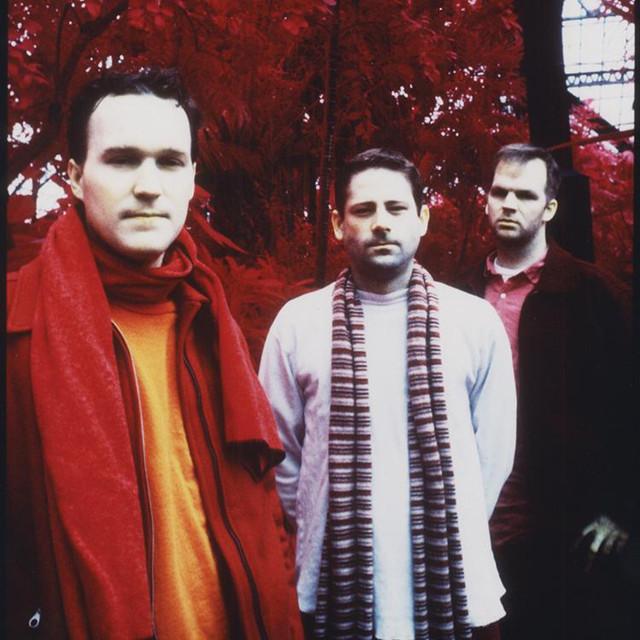
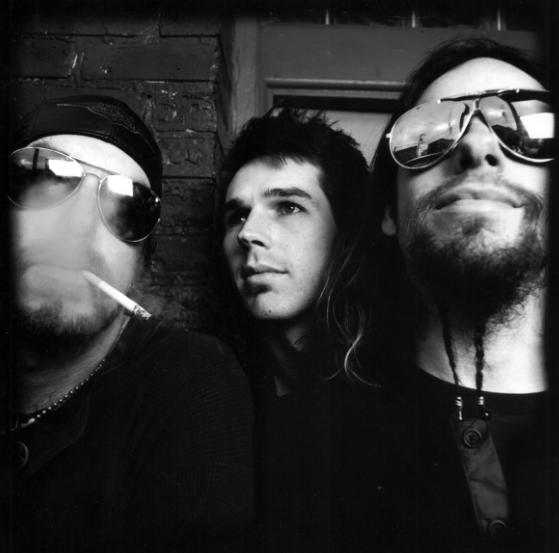
A Minor Forest’s Spotify BioMath-rock trio A Minor Forest formed in San Francisco in 1992, and comprised guitarist/vocalist Erik Hoversten, bassist John Trevor Benson and drummer Andee Connors. Forging a noisy, melancholy sound closer in spirit to midwestern post-rock than the dominant punk aesthetic of the Bay Area, the band struggled to build a local following, and when an offer to record an LP finally arrived, it came courtesy of Chicago-based Thrill Jockey. Recorded by Steve Albini, A Minor Forest's debut LP Flemish Altruism (Constituent Parts 1993-1996) earned strong critical notice, and after a series of singles and compilation tracks, the group issued Inindependence two years later. A November 1, 1998 hometown show at the Great American Music Hall was A Minor Forest's last, with the posthumous rarities collection ...So They Were in Some Sort of Fight? appearing on My Pal God a year later. Hoversten continued on with his side project the Threnody Ensemble, while Benson and Connors reunited in Ticwar. ~… Jason Ankeny, Rovi
Viberate is a music analytics platform built for A&Rs, artist managers, labels, booking agents, marketers, and artists.
It helps music professionals track artist growth, analyze audience data, monitor playlist activity, compare artists, follow song performance, and identify opportunities across the music market.
Public artist pages provide a free preview of selected artist data. Paid plans provide access to deeper analytics, historical data, charts, comparisons, playlist tools, exports, alerts, reports, and additional professional features.
Yes. Public Viberate artist pages provide selected artist analytics and music data for free.
Viberate also offers a 7-day free trial of the full platform. A credit card is required to start the trial. The trial includes access to the complete product so users can test deeper artist analytics, historical views, playlist insights, comparisons, charts, exports, alerts, and reporting features before choosing a paid plan.
Viberate provides artist analytics across streaming, playlists, social media, video, radio airplay, songs, and audience markets.
Users can analyze Spotify performance, Spotify and Apple Music playlists, YouTube activity, TikTok and Instagram growth, radio spins, song performance, audience locations, demographics, rankings, and overall artist momentum.
Artist profiles also connect to music charts, similar artists, and comparison tools, helping users benchmark performance and evaluate artists in context.
Viberate updates key artist and track data daily.
For followed artists and tracks, selected data is refreshed multiple times per day. This helps teams monitor playlist changes, streaming movement, audience growth, releases, and campaign performance with more current data.
Update frequency can vary depending on the metric and data source.
Yes. Viberate lets users compare up to five artists side by side across streaming, social media, audience, and engagement metrics.
Users can compare fanbase growth, audience demographics, locations, Spotify performance, social metrics, and other artist data over selected time periods.
Artist comparison can be used for A&R scouting, benchmarking, booking decisions, campaign planning, and evaluating artists with similar audiences or market positions.