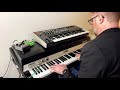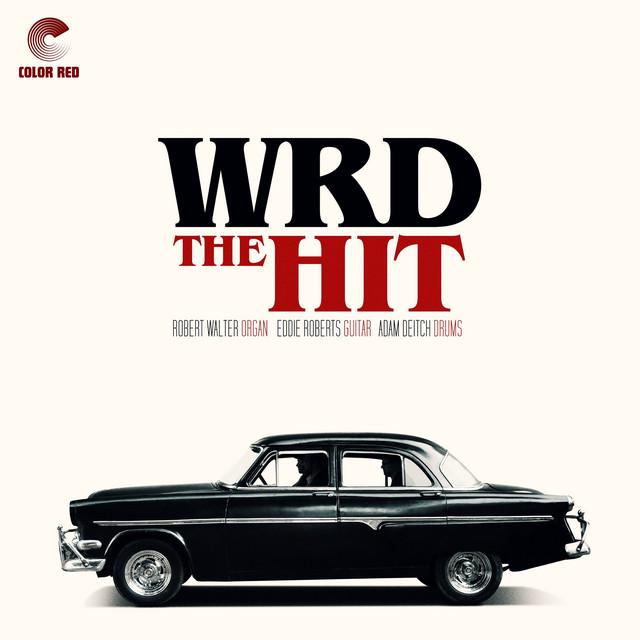
Robert Walter

R&B
Funk
Jazz Fusion
 Viberate Rank: 179476
 Viberate Rank: 179476
 Monthly ListenersFollowers
 Subscribers
 Followers
 Followers
 FansTop Spotify Songs
| Track | 7-Day Streams | |
|---|---|---|
1 | 2.63K | |
2 | 2.63K | |
3 | 1.88K | |
4 | 1.20K | |
5 | 1.16K |
Top YouTube VideosMonthly ListenersFeatured in Playlists| Playlist | Followers | |
|---|---|---|
1 |  Jazz-Funk Spotify | 425.82K |
2 |  All Funked Up Spotify | 389.86K |
3 |  Funky Jazz, Blues & Soul The New Funky | 74.07K |
4 |  Chill And Play PlayStation®️ | 26.37K |
5 |  Groove/funky/Jazz/Electric Guitar/Instrumental @Lucascarezzato | 18.09K |
Audience| City | Monthly Listeners | |
|---|---|---|
1 | | 297 |
2 | | 293 |
3 | | 254 |
4 | | 228 |
5 | | 180 |
See full performance history, audience data, playlist activity, rankings, comparisons, and more in Viberate music analytics. Start with a free trial, then continue with a paid plan.
Robert Walter’s Spotify BioA founding member of the seminal groove band The Greyboy Allstars, organ, keyboard and synth sharp-shooter Robert Walter splits his time between his own 20th Congress, Greyboy, and a robust film soundtrack career in Los Angeles. He's currently touring with Pink Floyd co-founder Roger Waters.
The Greyboy Allstars' success served as a platform for the band's individual members to launch highly successful and substantially diverse solo careers. To flex his desire to compose in a way that was just outside of Greyboy's wheelhouse, Walter formed 20th Congress and recorded and toured heavily.
The band featured a rotating cast of players over the years including Stanton Moore, Joe Russo, Will Bernard, and Cochemea Gastelum. The current iteration of 20th Congress includes a new crew of brilliant improvisers and genre-bending virtuosos including drummer Simon Lott, bassist Victor Little, and guitarist Chris Alford, bringing a baked-in chemistry that has mutated into the infectious sound of this… incarnation of the 20th Congress.
A brilliant improviser with a gift for riveting hooks and unstoppable grooves, Walter blurs the lines between the composed and the spontaneous. He uses a full arsenal of keyboards, synths and electronics and draws together the varied aspects of his career, from his film soundtrack work with Mike Andrews to his free-ranging improvisational excursions with the likes of genre jugglers like Marco Benevento, Skerik, and Mike Gordon
Viberate is a music analytics platform built for A&Rs, artist managers, labels, booking agents, marketers, and artists.
It helps music professionals track artist growth, analyze audience data, monitor playlist activity, compare artists, follow song performance, and identify opportunities across the music market.
Public artist pages provide a free preview of selected artist data. Paid plans provide access to deeper analytics, historical data, charts, comparisons, playlist tools, exports, alerts, reports, and additional professional features.
Yes. Public Viberate artist pages provide selected artist analytics and music data for free.
Viberate also offers a 7-day free trial of the full platform. A credit card is required to start the trial. The trial includes access to the complete product so users can test deeper artist analytics, historical views, playlist insights, comparisons, charts, exports, alerts, and reporting features before choosing a paid plan.
Viberate provides artist analytics across streaming, playlists, social media, video, radio airplay, songs, and audience markets.
Users can analyze Spotify performance, Spotify and Apple Music playlists, YouTube activity, TikTok and Instagram growth, radio spins, song performance, audience locations, demographics, rankings, and overall artist momentum.
Artist profiles also connect to music charts, similar artists, and comparison tools, helping users benchmark performance and evaluate artists in context.
Viberate updates key artist and track data daily.
For followed artists and tracks, selected data is refreshed multiple times per day. This helps teams monitor playlist changes, streaming movement, audience growth, releases, and campaign performance with more current data.
Update frequency can vary depending on the metric and data source.
Yes. Viberate lets users compare up to five artists side by side across streaming, social media, audience, and engagement metrics.
Users can compare fanbase growth, audience demographics, locations, Spotify performance, social metrics, and other artist data over selected time periods.
Artist comparison can be used for A&R scouting, benchmarking, booking decisions, campaign planning, and evaluating artists with similar audiences or market positions.