Melvin Sparks

R&B
Soul
Jazz Fusion
 Viberate Rank: 238791
 Viberate Rank: 238791
 Monthly ListenersFollowers
 Subscribers
 Followers
 Followers
 FansTop Spotify Songs
| Track | 7-Day Streams | |
|---|---|---|
1 | 1.84K | |
2 | 1.10K | |
3 | 1.02K | |
4 | 734 | |
5 | 679 |
Top YouTube VideosMonthly ListenersFeatured in Playlists| Playlist | Followers | |
|---|---|---|
1 |  Jazz Dispensary's Songs of the Day Jazz Dispensary | 51.86K |
2 |  Groove/funky/Jazz/Electric Guitar/Instrumental @Lucascarezzato | 18.09K |
3 |  JAZZ FUSION FUNK AND SOUL Jazz Fusion Funk&Soul | 11.91K |
4 | jazz,funk,soul,blues,afrobeat,latin İlker Özalp | 11.48K |
5 |  Instrumental Groove & Funk Trillium | 11.32K |
Audience| City | Monthly Listeners | |
|---|---|---|
1 |  | 176 |
2 | | 130 |
3 | | 111 |
4 | | 101 |
5 | | 95 |
See full performance history, audience data, playlist activity, rankings, comparisons, and more in Viberate music analytics. Start with a free trial, then continue with a paid plan.
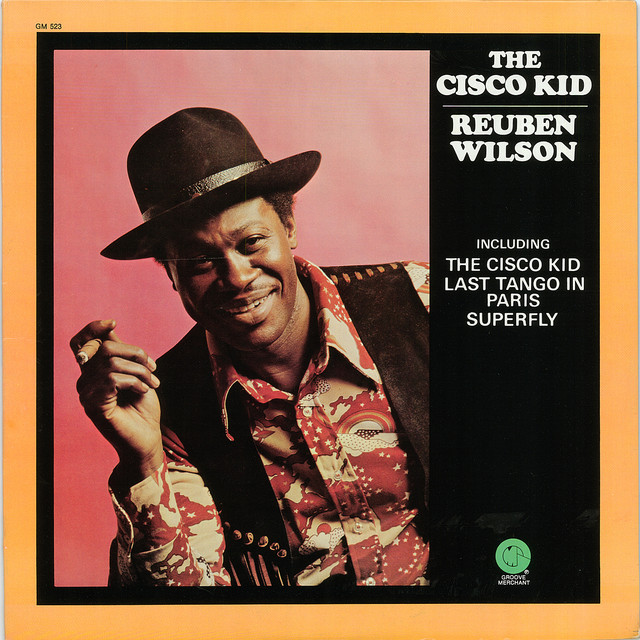
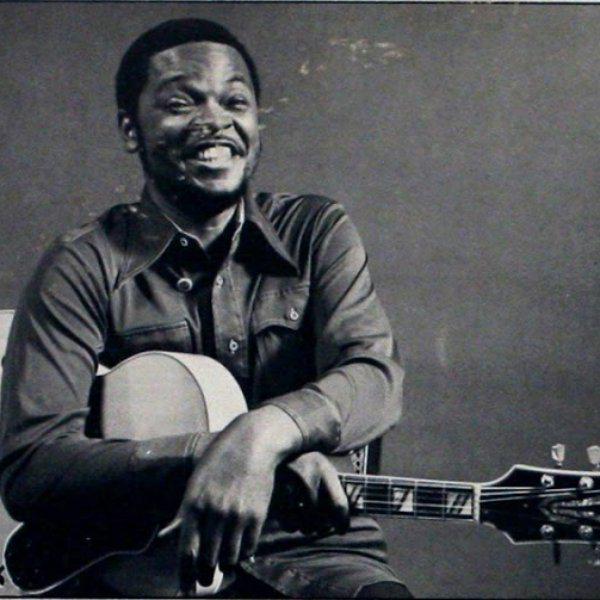
Melvin Sparks’ Spotify BioAlthough not a huge name in jazz, Melvin Sparks brought his Grant Green-influenced guitar to quite a few soul-jazz and organ combo recordings of the late '60s and early '70s. A lover of jazz as well as R&B and blues, the Houston native took up the guitar at 11, and was only 13 when he sat in with B.B. King. In 1963 he joined the Upsetters, an R&B show band that backed Little Richard, Sam Cooke, and other big names. After leaving the Upsetters, Sparks played with Jack McDuff in 1966-1967. The improviser was very much in demand in the late '60s and early '70s, and he was featured on sessions by Charles Earland, Sonny Stitt, Lou Donaldson, Rusty Bryant, Sonny Phillips, Reuben Wilson, and Johnny "Hammond" Smith, among others. Sparks delivered his first album as leader, Sparks!, for Prestige in 1970, and recorded a few more Prestige dates before providing Melvin Sparks for Westbound in 1975.
When soul-jazz's fortunes declined in the mid-'70s, the guitarist wasn't working as much. The only… album Sparks recorded as a leader in the '80s was 1981's Sparkling on Muse, although he was featured as a sideman on sessions by Houston Person, Hank Crawford, and Jimmy McGriff during that decade. The 1990s saw a lot of renewed interest in soul-jazz, and in 1997 Sparks returned to the studio for his Cannonball date I'm a Gittar Player. Although he continued to perform, Sparks did not return as a leader until 2002's What You Hear Is What You Get. He then followed up with 2004's It Is What It Is, 2005's This Is It!, and 2006's Groove on Up, all on Savant Records. Sparks died on March 15, 2011 at his home in Mt. Vernon, New York, of complications from diabetes and ultimately heart failure. He was 64 years old. ~ Alex Henderson, Rovi
Viberate is a music analytics platform built for A&Rs, artist managers, labels, booking agents, marketers, and artists.
It helps music professionals track artist growth, analyze audience data, monitor playlist activity, compare artists, follow song performance, and identify opportunities across the music market.
Public artist pages provide a free preview of selected artist data. Paid plans provide access to deeper analytics, historical data, charts, comparisons, playlist tools, exports, alerts, reports, and additional professional features.
Yes. Public Viberate artist pages provide selected artist analytics and music data for free.
Viberate also offers a 7-day free trial of the full platform. A credit card is required to start the trial. The trial includes access to the complete product so users can test deeper artist analytics, historical views, playlist insights, comparisons, charts, exports, alerts, and reporting features before choosing a paid plan.
Viberate provides artist analytics across streaming, playlists, social media, video, radio airplay, songs, and audience markets.
Users can analyze Spotify performance, Spotify and Apple Music playlists, YouTube activity, TikTok and Instagram growth, radio spins, song performance, audience locations, demographics, rankings, and overall artist momentum.
Artist profiles also connect to music charts, similar artists, and comparison tools, helping users benchmark performance and evaluate artists in context.
Viberate updates key artist and track data daily.
For followed artists and tracks, selected data is refreshed multiple times per day. This helps teams monitor playlist changes, streaming movement, audience growth, releases, and campaign performance with more current data.
Update frequency can vary depending on the metric and data source.
Yes. Viberate lets users compare up to five artists side by side across streaming, social media, audience, and engagement metrics.
Users can compare fanbase growth, audience demographics, locations, Spotify performance, social metrics, and other artist data over selected time periods.
Artist comparison can be used for A&R scouting, benchmarking, booking decisions, campaign planning, and evaluating artists with similar audiences or market positions.