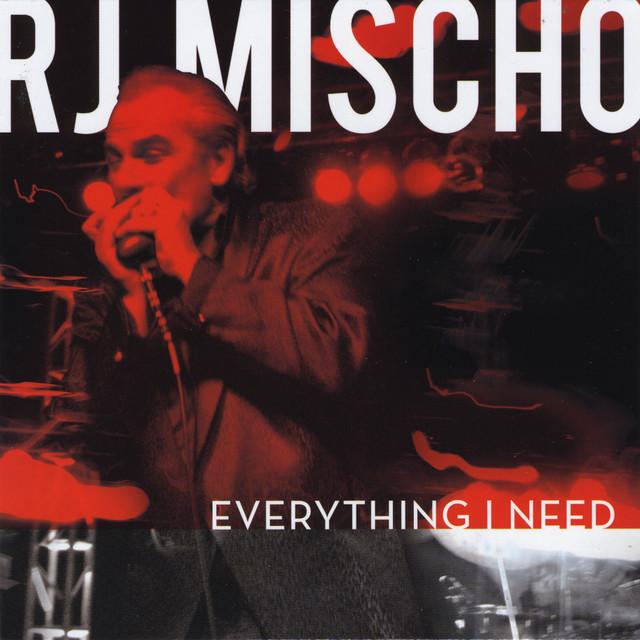
R.J. Mischo

Blues
Contemporary Blues
 Viberate Rank: 347564
 Viberate Rank: 347564
 Monthly ListenersFollowers
 Subscribers
 Followers
 Followers
 FansTop Spotify Songs
| Track | 7-Day Streams | |
|---|---|---|
1 | 819 | |
2 | 473 | |
3 | 189 | |
4 | 107 | |
5 | 59 |
Top YouTube Videos| Video | 7-Day Views | |
|---|---|---|
1 | 5 | |
2 | 1 | |
3 | 1 |
Monthly ListenersFeatured in Playlists| Playlist | Followers | |
|---|---|---|
1 | Blues Harmonica Mikael Levinsson | 33.48K |
2 | Sons of Anarchy (Television Soundtrack) – Seasons 1-7 Adam Shake | 23.67K |
3 |  Slow Blues & Blues Rock | Don's Tunes Don's Tunes | 19.74K |
4 | Cameron Rose | 11.88K |
5 | Tobias Gregorsson | 6.40K |
Audience| City | Monthly Listeners | |
|---|---|---|
1 |  | 31 |
2 |  | 18 |
3 |  | 16 |
4 |  | 14 |
5 | | 13 |
See full performance history, audience data, playlist activity, rankings, comparisons, and more in Viberate music analytics. Start with a free trial, then continue with a paid plan.
R.J. Mischo’s Spotify BioR.J. (Robert) Mischo began singing and playing harmonica in the Minneapolis area in the late '70s. He played with the blues heavyweights of that area and timeframe such as Muddy Waters sideman Mojo Buford, Percy Strother, and Milwaukee Slim. R.J. also fronted several of his own bands, including Blues Deluxe and R.J. & Kid Morgan Blues Band (which featured guitarist Teddy Morgan and singer Percy Strother). His 1992 album with that band, Ready to Go, won praises far and near and still has an unmatched magic about it. Mischo was nominated for several Minnesota Music Academy Awards while in Minneapolis, and in 1996, he won the award for Best Harmonica Player. In 1994 he released Gonna Rock Tonight. After a few tours of Europe, he re-formed the band and called it R.J. Mischo and His Red Hot Blues Band. Rough and Tough and Cool Disposition were recorded before Mischo departed for San Francisco in 1998. He recorded West Wind Blowin' there the following year. He and his band make regular… appearances in the bay area and also tour the U.S. and Europe. ~ Ann Wickstrom, Rovi
Viberate is a music analytics platform built for A&Rs, artist managers, labels, booking agents, marketers, and artists.
It helps music professionals track artist growth, analyze audience data, monitor playlist activity, compare artists, follow song performance, and identify opportunities across the music market.
Public artist pages provide a free preview of selected artist data. Paid plans provide access to deeper analytics, historical data, charts, comparisons, playlist tools, exports, alerts, reports, and additional professional features.
Yes. Public Viberate artist pages provide selected artist analytics and music data for free.
Viberate also offers a 7-day free trial of the full platform. A credit card is required to start the trial. The trial includes access to the complete product so users can test deeper artist analytics, historical views, playlist insights, comparisons, charts, exports, alerts, and reporting features before choosing a paid plan.
Viberate provides artist analytics across streaming, playlists, social media, video, radio airplay, songs, and audience markets.
Users can analyze Spotify performance, Spotify and Apple Music playlists, YouTube activity, TikTok and Instagram growth, radio spins, song performance, audience locations, demographics, rankings, and overall artist momentum.
Artist profiles also connect to music charts, similar artists, and comparison tools, helping users benchmark performance and evaluate artists in context.
Viberate updates key artist and track data daily.
For followed artists and tracks, selected data is refreshed multiple times per day. This helps teams monitor playlist changes, streaming movement, audience growth, releases, and campaign performance with more current data.
Update frequency can vary depending on the metric and data source.
Yes. Viberate lets users compare up to five artists side by side across streaming, social media, audience, and engagement metrics.
Users can compare fanbase growth, audience demographics, locations, Spotify performance, social metrics, and other artist data over selected time periods.
Artist comparison can be used for A&R scouting, benchmarking, booking decisions, campaign planning, and evaluating artists with similar audiences or market positions.