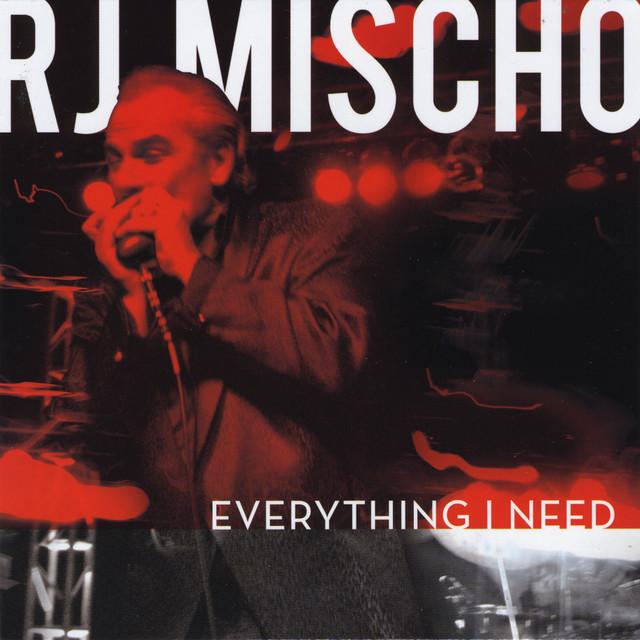
Magic Dick

Blues
Blues Rock
Contemporary Blues
 Viberate Rank: 480880
 Viberate Rank: 480880
 Monthly ListenersFollowers
 Subscribers
 Followers
 Followers
 FansTop Spotify Songs
| Track | 7-Day Streams | |
|---|---|---|
1 | 495 | |
2 | 120 | |
3 | 86 | |
4 | 34 | |
5 | 33 |
Top YouTube VideosMonthly ListenersFeatured in Playlists| Playlist | Followers | |
|---|---|---|
1 | Blues Harmonica Mikael Levinsson | 33.48K |
2 | Harmonica solos Piero Macc | 3.59K |
3 |  Blues, Rock´n Roll and Boogie Woogie 1 Urban Mathiasson | 2.92K |
4 |  Blues Harmonica Classics Alex | 2.77K |
5 |  GAITA DE BOCA (Instrumental) Nathan | 1.54K |
Audience| City | Monthly Listeners | |
|---|---|---|
1 |  | 14 |
2 |  | 12 |
3 |  | 11 |
4 |  | 10 |
5 | | 9 |
See full performance history, audience data, playlist activity, rankings, comparisons, and more in Viberate music analytics. Start with a free trial, then continue with a paid plan.
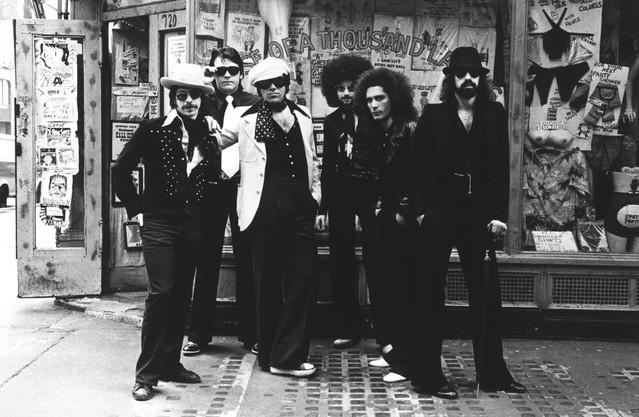
Magic Dick’s Spotify BioRichard Salwitz -- also known as Magic Dick -- began performing with John "J." Geils and Daniel Klein in their acoustic blues group when the three went to Worcester Poly Tech circa 1964-1966. This core merged with the singer and drummer of another Boston-based band, the Hallucinations, creating the J. Geils Band, an ensemble as identified by Magic Dick's harp as it is by the guitarist's abilities (along with his nickname!) and lead singer Peter Wolf's persona.
Sharing May 13 as the date of his birth with Stevie Wonder (1950), Mary Wells (1943), Peter Gabriel (1950) and Ritchie Valens (1941), Magic Dick was born in New London, Connecticut in 1945.
As J. Geils told AMG, he, Dick, and Danny Klein jammed with James Cotton, Muddy Waters, John Lee Hooker, and other blues legends in the mid-'60s Boston music scene. The J. Geils Band also performed with Buddy Guy and Junior Wells on an Atlantic album in 1972 titled Buddy Guy & Junior Wells Play the Blues -- with two tracks that included pianist …Joe Liggins' chestnut "Honeydripper." It was an event that was both fortuitous and justified, because in the character of Magic Dick, the harp player became as well known in rock circles as the revered Junior Wells already was as a blues master.
Magic Dick is a collector of trumpets whose heroes include Louis Armstrong and swing trumpeter Roy Eldridge. Richard became a friend of Eldridge's in the jazz clubs of New York City, and fans of the J. Geils group would occasionally see Magic Dick switch from harp to alto sax and trumpet on-stage, the sounds of the latter instrument showing up on albums from their 1970 eponymous debut to the 1984 disc without the vocals of Peter Wolf, You Were Getting Even While We Were Getting Odd.
Though he only wrote a handful of songs with his famous rock group -- "Cruisin' for a Love,"
"It Ain't What You Do," and the classic "Whammer Jammer," among them -- he is also one of the only members of that band to show up on side projects by other fellows in the group. Magic Dick's unique sounds can be found on the Seth Justman 1986 production of Debbie Harry's Rockbird, Peter Wolf's 2002 Sleepless release, as well as 1994's Bluestime and the 1996 Little Car Blues -- both Rounder Records' releases by his first, post-original J. Geils Band, created with guitarist and longtime friend J.. His harp also graces the Del Fuegos' Smoking in the Fields disc from 1989, and 1991's Heartbeat CD from Ryuichi Sakamoto.
Bluestime manager Jim Donnelly, longtime road manager for the J. Geils Band, made notes of information from the official biography from Rounder Records, also available from Bluestime's web page (with contributions from Dave Perry of The Lowell Sun newspaper). Salwitz "spent a good deal of the past ten years (post-J. Geils Band) with Pierre Beauregard working on a harmonica invention that would revolutionize the instruments tunings. A U.S. Patent was awarded Magic Dick and Beauregard, and the sounds of two of those harmonicas can be found on the instrumental "Full Court Press" on the 1994 Bluestime album, Dick's only co-write on that recording. The official bio also notes that Magic Dick was invited by Dutch cartoon artist Peter Pontiac to front a band at a cartoon festival in the Netherlands before starting Bluestime, and it is that third venture with J. Geils that has kept Dick's creative and vital sounds in the public eye. Bluestime's second guitarist and mandolin player Jerry Miller has formed Francesca Records and that label plans on releasing more music from various members of the J. Geils Band. Handling vocals on Bluestime makes Magic Dick the third other J. Geils Band musician to take Peter Wolf's place front and center, with Seth Justman and Stephen Bladd doing the duties and getting the honors on the You're Getting Even While I'm Getting Odd disc. ~ Joe Viglione, Rovi
Viberate is a music analytics platform built for A&Rs, artist managers, labels, booking agents, marketers, and artists.
It helps music professionals track artist growth, analyze audience data, monitor playlist activity, compare artists, follow song performance, and identify opportunities across the music market.
Public artist pages provide a free preview of selected artist data. Paid plans provide access to deeper analytics, historical data, charts, comparisons, playlist tools, exports, alerts, reports, and additional professional features.
Yes. Public Viberate artist pages provide selected artist analytics and music data for free.
Viberate also offers a 7-day free trial of the full platform. A credit card is required to start the trial. The trial includes access to the complete product so users can test deeper artist analytics, historical views, playlist insights, comparisons, charts, exports, alerts, and reporting features before choosing a paid plan.
Viberate provides artist analytics across streaming, playlists, social media, video, radio airplay, songs, and audience markets.
Users can analyze Spotify performance, Spotify and Apple Music playlists, YouTube activity, TikTok and Instagram growth, radio spins, song performance, audience locations, demographics, rankings, and overall artist momentum.
Artist profiles also connect to music charts, similar artists, and comparison tools, helping users benchmark performance and evaluate artists in context.
Viberate updates key artist and track data daily.
For followed artists and tracks, selected data is refreshed multiple times per day. This helps teams monitor playlist changes, streaming movement, audience growth, releases, and campaign performance with more current data.
Update frequency can vary depending on the metric and data source.
Yes. Viberate lets users compare up to five artists side by side across streaming, social media, audience, and engagement metrics.
Users can compare fanbase growth, audience demographics, locations, Spotify performance, social metrics, and other artist data over selected time periods.
Artist comparison can be used for A&R scouting, benchmarking, booking decisions, campaign planning, and evaluating artists with similar audiences or market positions.