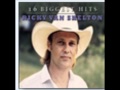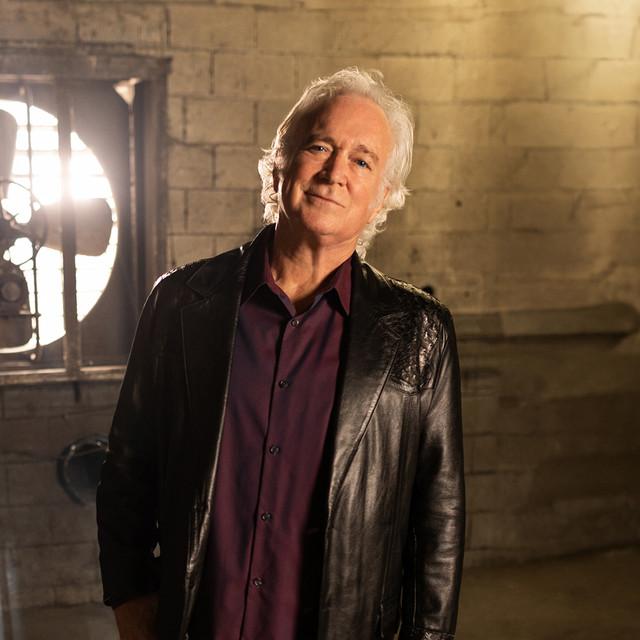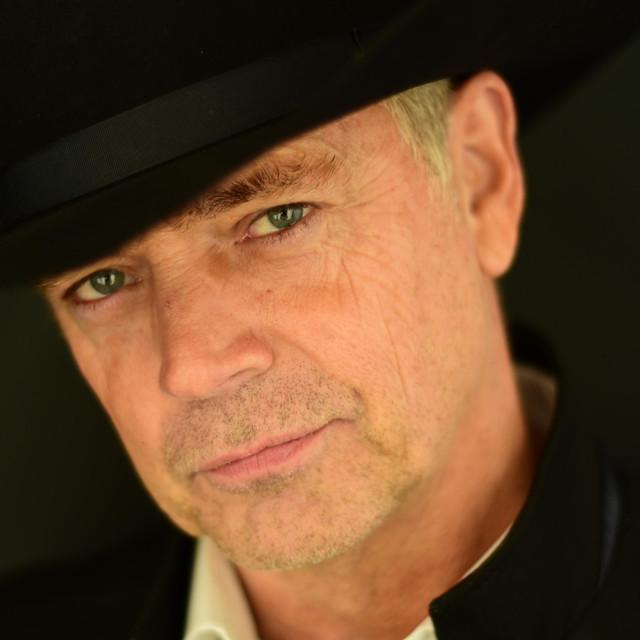
Ricky Van Shelton

Country
Contemporary Country
 Viberate Rank: 33896
 Viberate Rank: 33896
 Monthly ListenersFollowers
 Subscribers
 Followers
 Followers
 FansTop Spotify Songs
| Track | 7-Day Streams | |
|---|---|---|
1 | 55.14K | |
2 | 34.83K | |
3 | 34.74K | |
4 | 30.08K | |
5 | 23.68K |
Top YouTube VideosMonthly ListenersFeatured in Playlists| Playlist | Followers | |
|---|---|---|
1 |  Dolly Parton: Top Tracks officialdollyparton | 77.55K |
2 | 80s/90s Country Hits Countrymusic_07 | 73.59K |
3 | 90s Country Michael Vines | 60.18K |
4 |  Old Country Classics Glenn Asbjørn B. Ovedal | 34.48K |
5 |  Classic Country (50s, 60s, 70s, 80s, 90s, 00s) Pure Country | 33.71K |
Audience| City | Monthly Listeners | |
|---|---|---|
1 | | 6.75K |
2 | | 4.73K |
3 | | 3.62K |
4 | | 3.42K |
5 | | 3.41K |
See full performance history, audience data, playlist activity, rankings, comparisons, and more in Viberate music analytics. Start with a free trial, then continue with a paid plan.
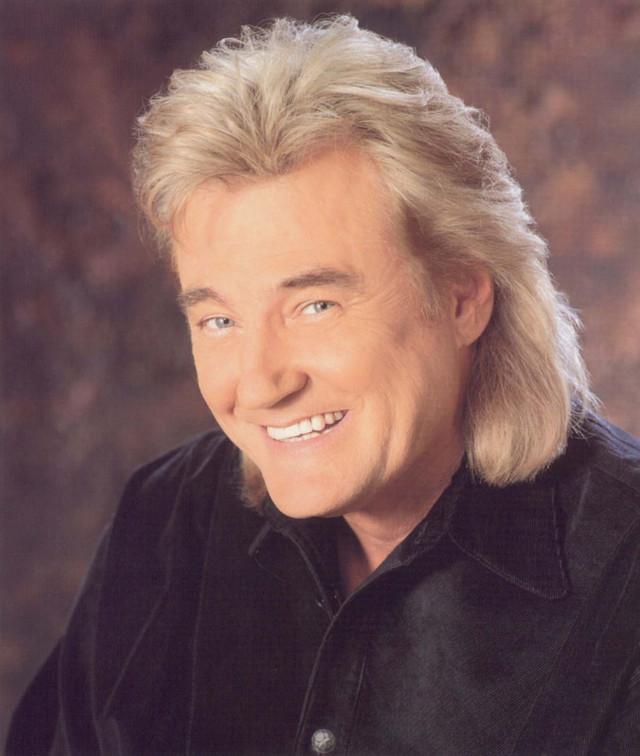
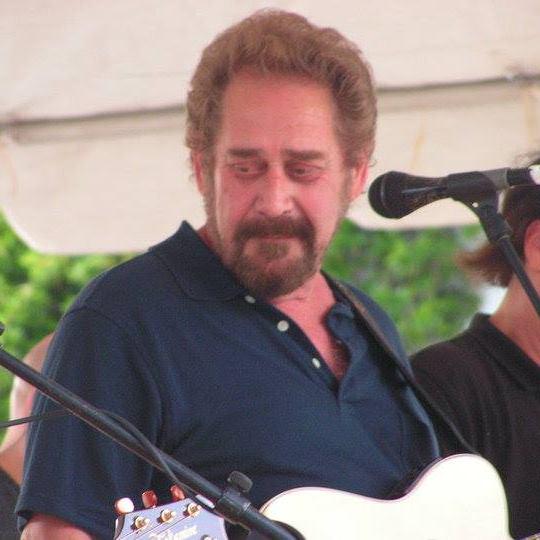
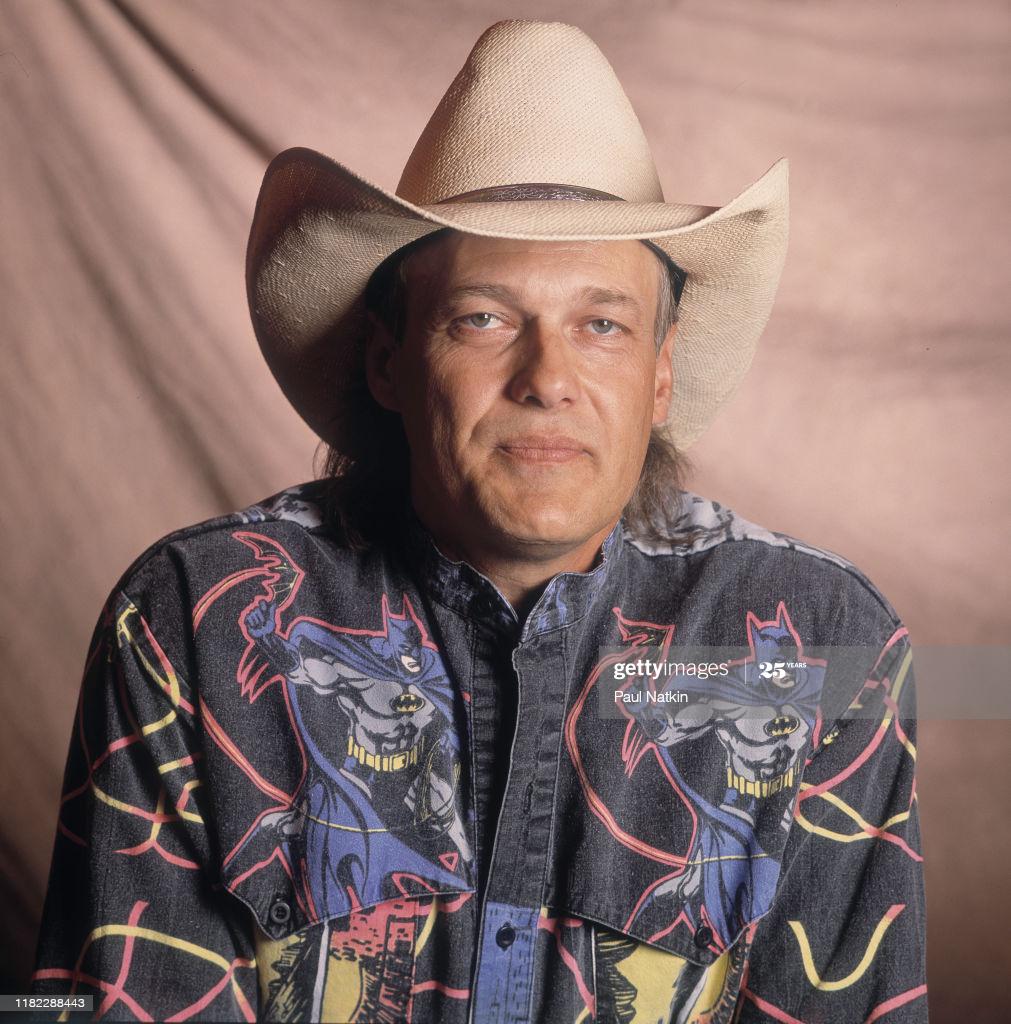
Ricky Van Shelton’s Spotify BioRicky Van Shelton was one of country music's biggest male stars during the late '80s and early '90s, prior to the emergence of crossover sensations like Garth Brooks. Van Shelton's smooth baritone croon made him especially popular as a country-pop ballad stylist, but elsewhere he incorporated elements of rock, gospel, and classic honky tonk. Van Shelton was born in Danville, VA, in 1952 and grew up in the small town of Grit. He learned to sing at church and discovered country music as a teenager, performing at local gatherings whenever he could. After high school, he played the area club circuit and worked a series of day jobs, and in late 1984 he finally made the move to Nashville to make it in the business. He performed in nightclubs until a local newspaper columnist heard his demo and helped arrange a showcase that landed Van Shelton a deal with CBS in 1986.
Van Shelton released his debut album, Wild-Eyed Dream, in 1987, and his first-ever single, "Crime of Passion," hit the country… Top Ten. Its follow-up, "Somebody Lied," went all the way to number one; so did the album, and so did another single, "Life Turned Her That Way." Van Shelton quickly recorded a follow-up album, Loving Proof, which appeared in 1988 and also topped the country charts; it spun off three number one hits in "I'll Leave This World Loving You," "From a Jack to a King," and "Living Proof," while "Hole in My Pocket" made the Top Five. While readying his third proper album, Van Shelton also completed two specialty projects: the 1989 holiday album Ricky Van Shelton Sings Christmas and the 1990 gospel record Don't Overlook Salvation. Meanwhile, his official follow-up to Loving Proof, RVS III, was released in 1990 and became his third number one album. "I've Cried My Last Tear for You" gave him another number one single, while "I Meant Every Word He Said" and "Statue of a Fool" both topped out at number two; "Life's Little Ups and Downs" also made the Top Five. In 1991, Van Shelton teamed up with Dolly Parton for the chart-topping duet "Rockin' Years" and subsequently issued another album, Backroads. Though it just missed the top of the country charts, Backroads kept his hit streak going strong, producing two more number ones in "Keep It Between the Lines" and "I Am a Simple Man" (giving him a total of nine) and a number two hit in the title track.
Musical tastes can shift quickly, and by the time Van Shelton conquered the alcohol abuse that had begun to take a toll on his personal life, Garth Brooks was completely altering the contemporary country landscape. To hold fans over, he released Greatest Hits Plus in 1992, and its newly recorded track, "Wild Man," hit the Top Five. He returned in 1993 with A Bridge I Didn't Burn, but the album didn't spawn any huge hits, as had been expected; it went gold, but it was the only Van Shelton album to date that ultimately failed to go platinum. 1994's Love and Honor continued his commercial downturn, and tensions with Columbia led Van Shelton to part ways with his label a couple years later. He busied himself with, among other projects, a series of children's books centered around the character Quacker the Duck that he'd begun several years earlier. He also formed his own label, RVS, and recorded an album on his own called Making Plans, which he distributed via an exclusive agreement with the Wal-Mart store chain in 1997. The following year, Vanguard stepped in to give the record a wider release. Van Shelton subsequently signed with the Audium label, home to many veteran country artists, and recorded a new album, Fried Green Tomatoes, in 2000. ~ Steve Huey, Rovi
Viberate is a music analytics platform built for A&Rs, artist managers, labels, booking agents, marketers, and artists.
It helps music professionals track artist growth, analyze audience data, monitor playlist activity, compare artists, follow song performance, and identify opportunities across the music market.
Public artist pages provide a free preview of selected artist data. Paid plans provide access to deeper analytics, historical data, charts, comparisons, playlist tools, exports, alerts, reports, and additional professional features.
Yes. Public Viberate artist pages provide selected artist analytics and music data for free.
Viberate also offers a 7-day free trial of the full platform. A credit card is required to start the trial. The trial includes access to the complete product so users can test deeper artist analytics, historical views, playlist insights, comparisons, charts, exports, alerts, and reporting features before choosing a paid plan.
Viberate provides artist analytics across streaming, playlists, social media, video, radio airplay, songs, and audience markets.
Users can analyze Spotify performance, Spotify and Apple Music playlists, YouTube activity, TikTok and Instagram growth, radio spins, song performance, audience locations, demographics, rankings, and overall artist momentum.
Artist profiles also connect to music charts, similar artists, and comparison tools, helping users benchmark performance and evaluate artists in context.
Viberate updates key artist and track data daily.
For followed artists and tracks, selected data is refreshed multiple times per day. This helps teams monitor playlist changes, streaming movement, audience growth, releases, and campaign performance with more current data.
Update frequency can vary depending on the metric and data source.
Yes. Viberate lets users compare up to five artists side by side across streaming, social media, audience, and engagement metrics.
Users can compare fanbase growth, audience demographics, locations, Spotify performance, social metrics, and other artist data over selected time periods.
Artist comparison can be used for A&R scouting, benchmarking, booking decisions, campaign planning, and evaluating artists with similar audiences or market positions.