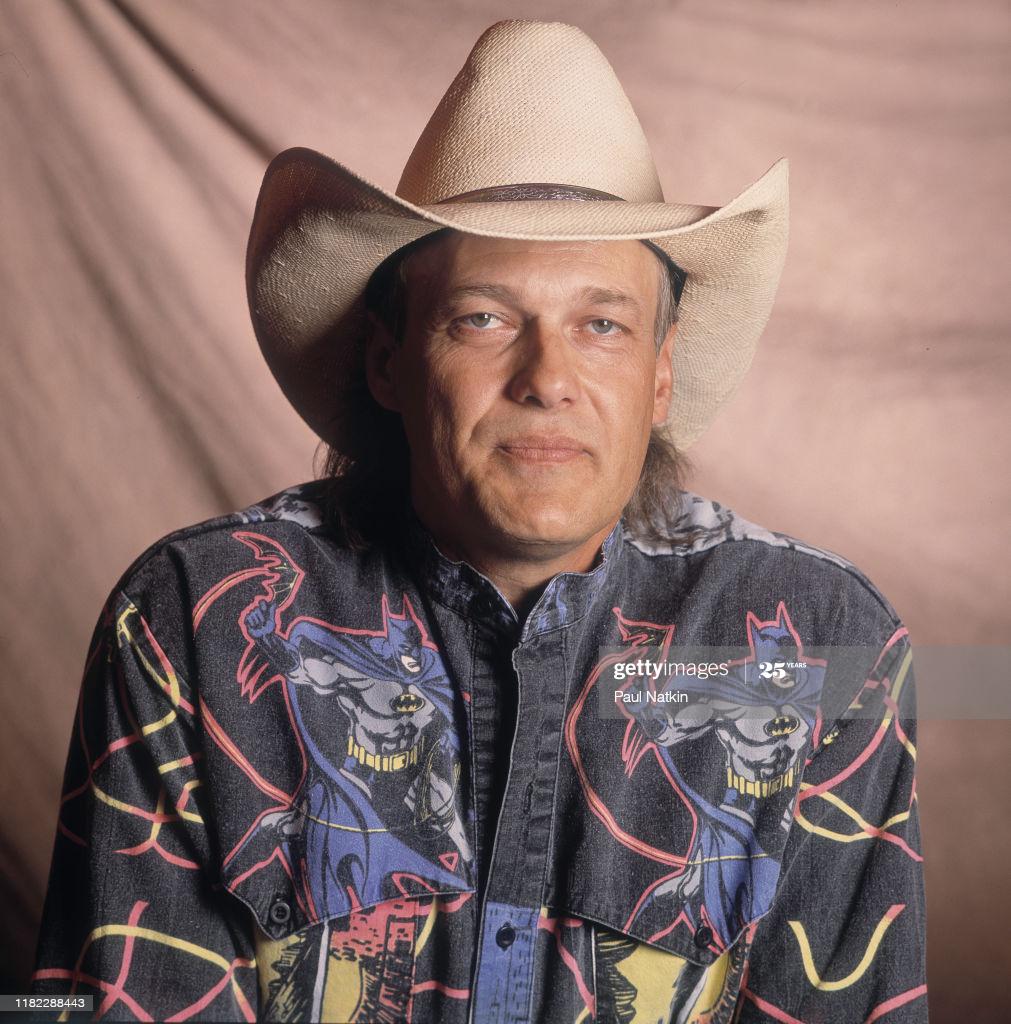
Vern Gosdin

Country
Contemporary Country
 Viberate Rank: 37696
 Viberate Rank: 37696
 Monthly ListenersFollowers
 Subscribers
 Followers
 Followers
 FansTop Spotify Songs
| Track | 7-Day Streams | |
|---|---|---|
1 | 44.91K | |
2 | 27.23K | |
3 | 25.55K | |
4 | 18.91K | |
5 | 18.91K |
Top YouTube VideosMonthly ListenersFeatured in Playlists| Playlist | Followers | |
|---|---|---|
1 |  80s Country Spotify | 755.91K |
2 |  70s Country Spotify | 320.75K |
3 |  80's Country (Top 100) aly.matthews16 | 75.12K |
4 | 80s/90s Country Hits Countrymusic_07 | 73.52K |
5 |  Out in the Open Ben Kretchman | 64.64K |
Audience| City | Monthly Listeners | |
|---|---|---|
1 | | 8.64K |
2 | | 5.71K |
3 | | 4.62K |
4 | | 4.52K |
5 | | 4.21K |
See full performance history, audience data, playlist activity, rankings, comparisons, and more in Viberate music analytics. Start with a free trial, then continue with a paid plan.
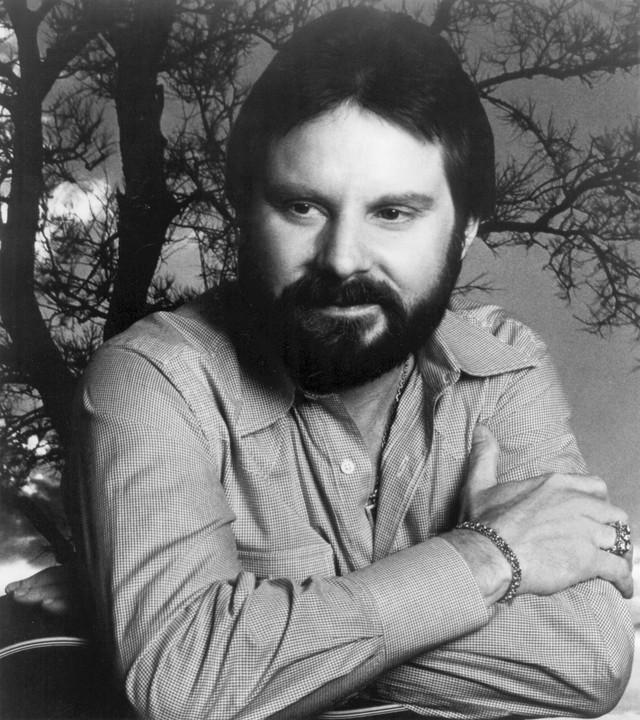
Vern Gosdin’s Spotify BioAs country music swung back toward traditional styles in the 1980s, an inheritor of the soulful honky tonk style of Lefty Frizzell and Merle Haggard rose to the top of the business and notched hit after barroom hit. Sometimes he was known simply as "the Voice." Born in Woodland, AL, Vern Gosdin idolized the Louvin Brothers and the Blue Sky Boys as a young man and sang in a gospel quartet called the Gosdin Brothers. When he was in his late teens, his family moved to Birmingham and began hosting The Gosdin Family Gospel Show on a local radio station. Gosdin and his brother, Rex, moved to Long Beach, CA, in 1961. They began performing bluegrass music in the milieu that gave birth to country-rock, joining a group called the Golden State Boys that evolved into the Hillmen, featuring future Byrds member Chris Hillman. Vern and Rex teamed up to sing country music as the Gosdin Brothers once again, had a Top 40 country hit in 1967 with "Hangin' On," and opened for the Byrds on occasion.
Gosdin… moved to Atlanta in 1972, raising a family and running a retail shop. But he never gave up on music completely. He performed at local clubs and began to gravitate toward Nashville, where Emmylou Harris, a friend of Gosdin's from his California days, was laying the foundation for a neo-traditionalist style of country music. Around 1976 Gosdin and Harris cut a demo single consisting of "Hangin' On" backed with a newly written song, "Yesterday's Gone." The demo got Gosdin signed to the Elektra label, and both songs cracked the country Top 20. In the late '70s he notched several major hits, including "Till the End" (with Janie Fricke), "Mother Country Music," and a remake of the Association's "Never My Love."
In 1980, after the demise of Elektra's country division, Gosdin quickly moved through several contracts and landed with the independent Nashville label Compleat. He made the Top Ten consistently in the early '80s, really hitting his stride when he teamed with Max D. Barnes as a songwriting collaborator. The pair specialized in songs of cheating and barroom romance, often delivering an over-the-top emotionalism that got Gosdin compared to the ultimate legend of honky tonk vocals, George Jones. In 1983, Gosdin had two Top Five hits -- "If You're Gonna Do Me Wrong (Do It Right)" and "Way Down Deep." The following year he had his first number one single with "I Can Tell by the Way You Dance (You're Gonna Love Me Tonight)" and had two additional Top Ten hits. His career hit a lull in the mid-'80s, but in 1987, with the new traditionalist movement in full swing and Warner Bros. artist Randy Travis roosting at the top of the charts, he was tapped by the Columbia label. He bounced back into the Top Ten that year with the tortured "Do You Believe Me Now," and in 1988 he hit number one once again with the perennially popular Ernest Tubb tribute "Set 'Em Up Joe." Gosdin's "Chiseled in Stone," co-written with Barnes, won the Country Music Association's Song of the Year award in 1989. His 1989 album Alone was a rarity: a concept album in a traditional country style. It chronicled the dissolution of Gosdin's marriage. Gosdin's popularity declined as rock-influenced country styles surged forward in the 1990s, but he continued to record on small labels and never abandoned the pure country vocalism he had cultivated for so long. ~ James Manheim, Rovi
Viberate is a music analytics platform built for A&Rs, artist managers, labels, booking agents, marketers, and artists.
It helps music professionals track artist growth, analyze audience data, monitor playlist activity, compare artists, follow song performance, and identify opportunities across the music market.
Public artist pages provide a free preview of selected artist data. Paid plans provide access to deeper analytics, historical data, charts, comparisons, playlist tools, exports, alerts, reports, and additional professional features.
Yes. Public Viberate artist pages provide selected artist analytics and music data for free.
Viberate also offers a 7-day free trial of the full platform. A credit card is required to start the trial. The trial includes access to the complete product so users can test deeper artist analytics, historical views, playlist insights, comparisons, charts, exports, alerts, and reporting features before choosing a paid plan.
Viberate provides artist analytics across streaming, playlists, social media, video, radio airplay, songs, and audience markets.
Users can analyze Spotify performance, Spotify and Apple Music playlists, YouTube activity, TikTok and Instagram growth, radio spins, song performance, audience locations, demographics, rankings, and overall artist momentum.
Artist profiles also connect to music charts, similar artists, and comparison tools, helping users benchmark performance and evaluate artists in context.
Viberate updates key artist and track data daily.
For followed artists and tracks, selected data is refreshed multiple times per day. This helps teams monitor playlist changes, streaming movement, audience growth, releases, and campaign performance with more current data.
Update frequency can vary depending on the metric and data source.
Yes. Viberate lets users compare up to five artists side by side across streaming, social media, audience, and engagement metrics.
Users can compare fanbase growth, audience demographics, locations, Spotify performance, social metrics, and other artist data over selected time periods.
Artist comparison can be used for A&R scouting, benchmarking, booking decisions, campaign planning, and evaluating artists with similar audiences or market positions.