GIANT

Rock
Hard Rock
Pop Rock
 Viberate Rank: 131686
 Viberate Rank: 131686
 Monthly ListenersFollowers
 Subscribers
 Followers
 Followers
 FansTop Spotify Songs
| Track | 7-Day Streams | |
|---|---|---|
1 | 29.77K | |
2 | 7.15K | |
3 | 6.02K | |
4 | 4.50K | |
5 | 2.88K |
Top YouTube Videos| Video | 7-Day Views | |
|---|---|---|
1 | 3.17K | |
2 | 929 |
Monthly ListenersFeatured in Playlists| Playlist | Followers | |
|---|---|---|
1 |  Training Montage Spotify | 80.25K |
2 |  80's Hair Bands Greatest Hits Bob Sheridan | 64.07K |
3 | Glam Rock Hits of the 8O's Mats Mazze Wallin | 62.24K |
4 |  Rock Ballads Saygın Sarıoğlu | 35.31K |
5 |  Soft Rock Tobias Åkerlind | 28.43K |
Audience| City | Monthly Listeners | |
|---|---|---|
1 |  | 1.59K |
2 | | 1.22K |
3 |  | 1.09K |
4 |  | 1.04K |
5 |  | 886 |
See full performance history, audience data, playlist activity, rankings, comparisons, and more in Viberate music analytics. Start with a free trial, then continue with a paid plan.
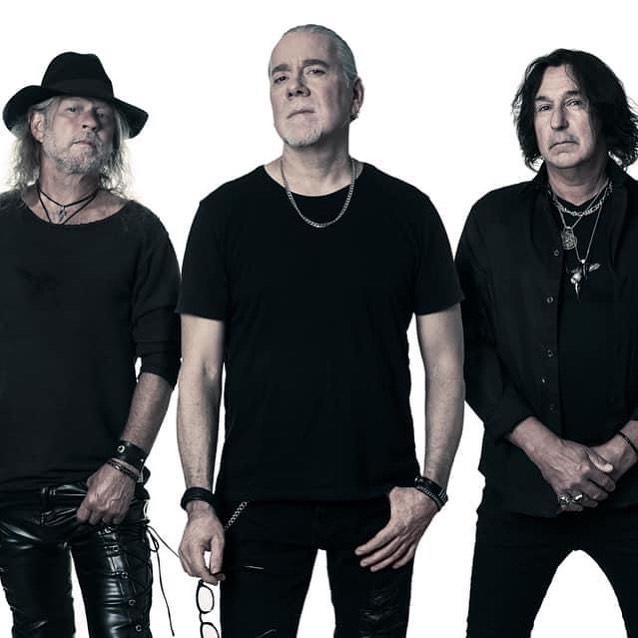
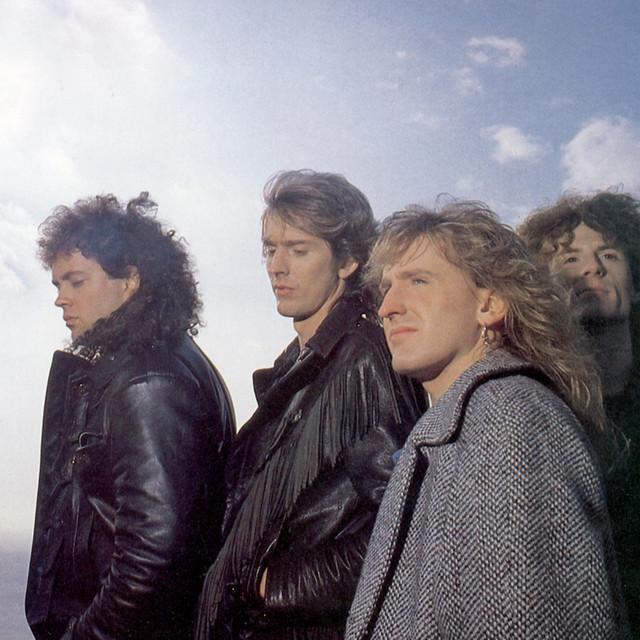
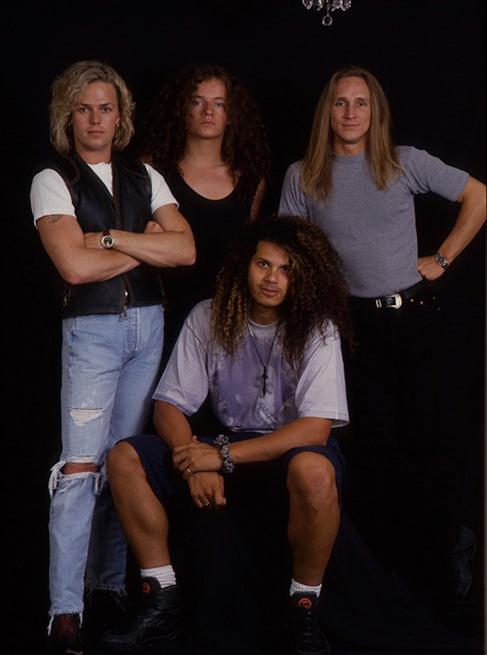
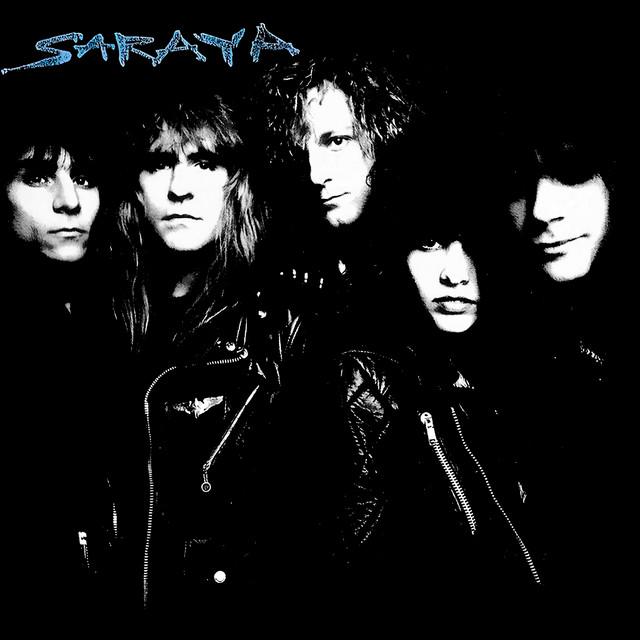
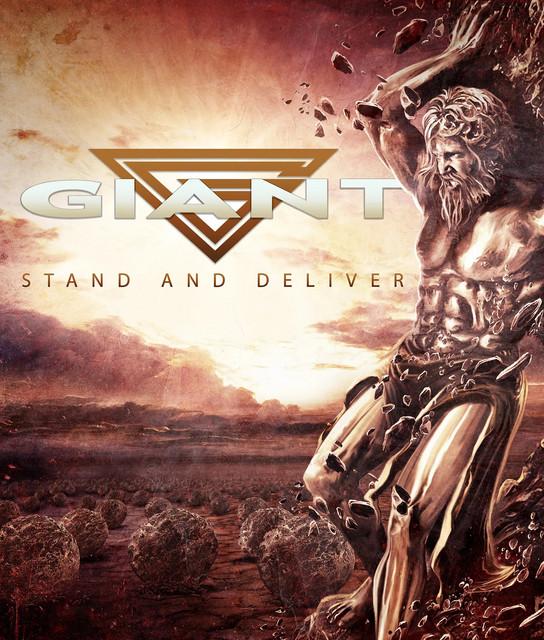
GIANT’s Spotify BioAfter recording two unsuccessful albums with the Christian rock group White Heart during the early '80s, guitarist/vocalist Dann Huff found refuge in session work, eventually becoming one of the most requested, reliable, and versatile players in the business. But after years backing everyone from Michael Jackson to Amy Grant, Huff decided to give it one more go fronting his own band, forming Giant with his brother David on drums, Alan Pasqua on keyboards, and Mike Brignardello on bass. They eventually signed with A&M Records and released 1989's Last of the Runaways, which featured a melodic hard rock sound and yielded a Top 20 hit with "I'll See You in My Dreams." Record sales were sluggish however, and the band found themselves on a new label, Epic, for 1991's Time to Burn. Slightly more aggressive than its predecessor, the album still failed to advance their career, and the band soon dissolved. Dan Huff eventually returned to session work, appearing on albums by Shania Twain and Mich…ael W. Smith while also producing several records for metal giants Megadeth. ~ Eduardo Rivadavia, Rovi
Viberate is a music analytics platform built for A&Rs, artist managers, labels, booking agents, marketers, and artists.
It helps music professionals track artist growth, analyze audience data, monitor playlist activity, compare artists, follow song performance, and identify opportunities across the music market.
Public artist pages provide a free preview of selected artist data. Paid plans provide access to deeper analytics, historical data, charts, comparisons, playlist tools, exports, alerts, reports, and additional professional features.
Yes. Public Viberate artist pages provide selected artist analytics and music data for free.
Viberate also offers a 7-day free trial of the full platform. A credit card is required to start the trial. The trial includes access to the complete product so users can test deeper artist analytics, historical views, playlist insights, comparisons, charts, exports, alerts, and reporting features before choosing a paid plan.
Viberate provides artist analytics across streaming, playlists, social media, video, radio airplay, songs, and audience markets.
Users can analyze Spotify performance, Spotify and Apple Music playlists, YouTube activity, TikTok and Instagram growth, radio spins, song performance, audience locations, demographics, rankings, and overall artist momentum.
Artist profiles also connect to music charts, similar artists, and comparison tools, helping users benchmark performance and evaluate artists in context.
Viberate updates key artist and track data daily.
For followed artists and tracks, selected data is refreshed multiple times per day. This helps teams monitor playlist changes, streaming movement, audience growth, releases, and campaign performance with more current data.
Update frequency can vary depending on the metric and data source.
Yes. Viberate lets users compare up to five artists side by side across streaming, social media, audience, and engagement metrics.
Users can compare fanbase growth, audience demographics, locations, Spotify performance, social metrics, and other artist data over selected time periods.
Artist comparison can be used for A&R scouting, benchmarking, booking decisions, campaign planning, and evaluating artists with similar audiences or market positions.