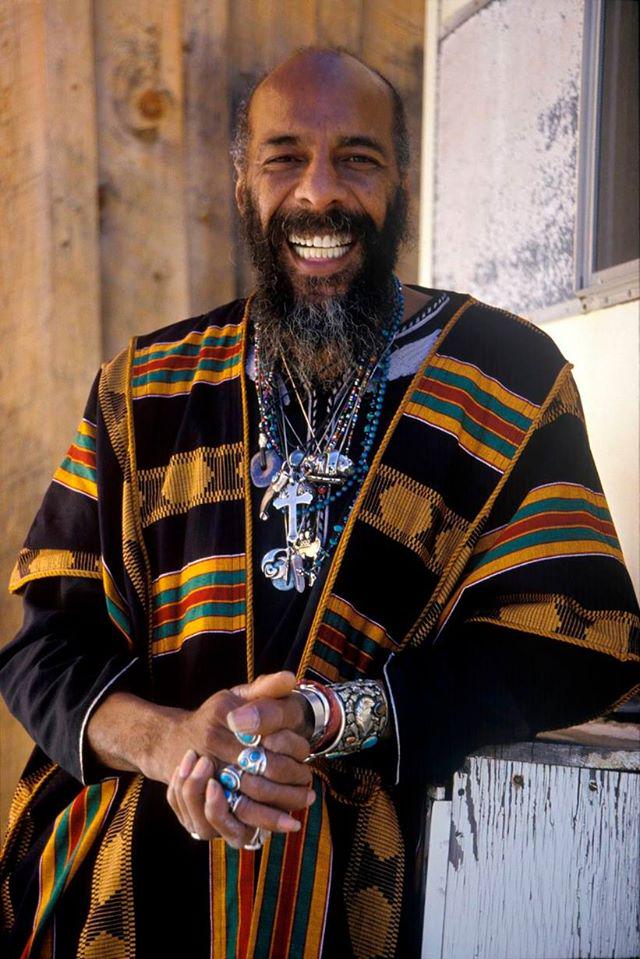
Richie Havens

Rock
Folk Rock
Americana/Alt Country
Contemporary Blues
 Viberate Rank: 60708
 Viberate Rank: 60708
 Monthly ListenersFollowers
 Subscribers
 Followers
 Followers
 FansTop Spotify Songs
| Track | 7-Day Streams | |
|---|---|---|
1 | 26.30K | |
2 | 18.78K | |
3 | 11.81K | |
4 | 9.75K | |
5 | 9.01K |
Top YouTube VideosMonthly ListenersFeatured in Playlists| Playlist | Followers | |
|---|---|---|
1 |  Classic Acoustic Spotify | 2.63M |
2 |  Essential Folk Spotify | 831.90K |
3 | Covers (that are better than the originals) JTG | 209.14K |
4 |  Soul Classics - The Greatest Soul Songs Topsify Germany | 175.58K |
5 |  real good shit Tom Misch | 165.63K |
Audience| City | Monthly Listeners | |
|---|---|---|
1 |  | 5.30K |
2 |  | 4.89K |
3 | | 4.65K |
4 | | 3.01K |
5 | | 2.63K |
See full performance history, audience data, playlist activity, rankings, comparisons, and more in Viberate music analytics. Start with a free trial, then continue with a paid plan.
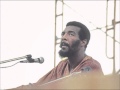
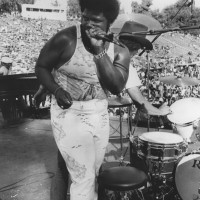
Richie Havens’ Spotify BioBorn in the Bedford-Stuyvesant section of Brooklyn, Richie Havens moved to Greenwich Village in 1961 in time to get in on the folk boom then taking place. Havens had a distinctive style as a folksinger, appearing in such clubs as the Cafe Wha? His guitar set to an opening tuning, he would strum it while barring chords with his thumb, using it essentially as percussion while singing rhythmically in a gruff voice for a mesmerizing effect. Havens was signed to Douglas Records in 1965 and recorded two albums that gained him a local following. In 1967, the Verve division of MGM Records formed a folk section (Verve Forecast) and signed Havens and other folk-based performers. The result was Havens' third album, Mixed Bag. It wasn't until 1968 and the Something Else Again album, however, that Havens began to hit the charts -- actually, Havens' fourth, third, and second albums charted that year, in that order. In 1969 came the double album Richard P. Havens 1983.
Havens' career benefited… enormously from his appearance at the Woodstock festival in 1969 and his subsequent featured role in the movie and album made from the concert in 1970. His first album after that exposure, Alarm Clock, made the Top 30 and produced a Top 20 single in "Here Comes the Sun." These recordings were Havens' commercial high-water mark, but by this time he had become an international touring success. By the end of the '70s, he had abandoned recording and turned entirely to live work. Havens came back to records with a flurry of releases in 1987: a new album, Simple Things; an album of Bob Dylan and Beatles covers; and a compilation. In 1991, Havens signed his first major-label deal in 15 years when he moved to Sony Music and released Now. Nobody Left to Crown was issued by Verve Forecast in 2008. Havens died of a heart attack at his home in Jersey City, New Jersey in April 2013; he was 72 years old. ~ William Ruhlmann, Rovi
Viberate is a music analytics platform built for A&Rs, artist managers, labels, booking agents, marketers, and artists.
It helps music professionals track artist growth, analyze audience data, monitor playlist activity, compare artists, follow song performance, and identify opportunities across the music market.
Public artist pages provide a free preview of selected artist data. Paid plans provide access to deeper analytics, historical data, charts, comparisons, playlist tools, exports, alerts, reports, and additional professional features.
Yes. Public Viberate artist pages provide selected artist analytics and music data for free.
Viberate also offers a 7-day free trial of the full platform. A credit card is required to start the trial. The trial includes access to the complete product so users can test deeper artist analytics, historical views, playlist insights, comparisons, charts, exports, alerts, and reporting features before choosing a paid plan.
Viberate provides artist analytics across streaming, playlists, social media, video, radio airplay, songs, and audience markets.
Users can analyze Spotify performance, Spotify and Apple Music playlists, YouTube activity, TikTok and Instagram growth, radio spins, song performance, audience locations, demographics, rankings, and overall artist momentum.
Artist profiles also connect to music charts, similar artists, and comparison tools, helping users benchmark performance and evaluate artists in context.
Viberate updates key artist and track data daily.
For followed artists and tracks, selected data is refreshed multiple times per day. This helps teams monitor playlist changes, streaming movement, audience growth, releases, and campaign performance with more current data.
Update frequency can vary depending on the metric and data source.
Yes. Viberate lets users compare up to five artists side by side across streaming, social media, audience, and engagement metrics.
Users can compare fanbase growth, audience demographics, locations, Spotify performance, social metrics, and other artist data over selected time periods.
Artist comparison can be used for A&R scouting, benchmarking, booking decisions, campaign planning, and evaluating artists with similar audiences or market positions.