Richard Pinhas

Rock
Alternative Rock
Progressive Rock
 Viberate Rank: 349614
 Viberate Rank: 349614
 Monthly ListenersFollowers
 Subscribers
 Followers
 Followers
 FansTop Spotify SongsTop YouTube VideosMonthly ListenersFeatured in Playlists
| Playlist | Followers | |
|---|---|---|
1 |  Soul Jazz Records Martin Abrams | 5.42K |
2 |  MANFREDAS' MUSIC CABINET manfredasb | 4.24K |
3 |  ANDREW WEATHERALL - music is not for everyone vervyerver | 3.98K |
4 |  Berlin School - Sequencer - Ambient - Electronica Thorsten Quaeschning | 3.85K |
5 |  Henry Rollins KCRW radioshow Roadrunner Music | 3.56K |
Audience| City | Monthly Listeners | |
|---|---|---|
1 | | 25 |
2 |  | 25 |
3 |  | 22 |
4 | | 20 |
5 | | 18 |
See full performance history, audience data, playlist activity, rankings, comparisons, and more in Viberate music analytics. Start with a free trial, then continue with a paid plan.
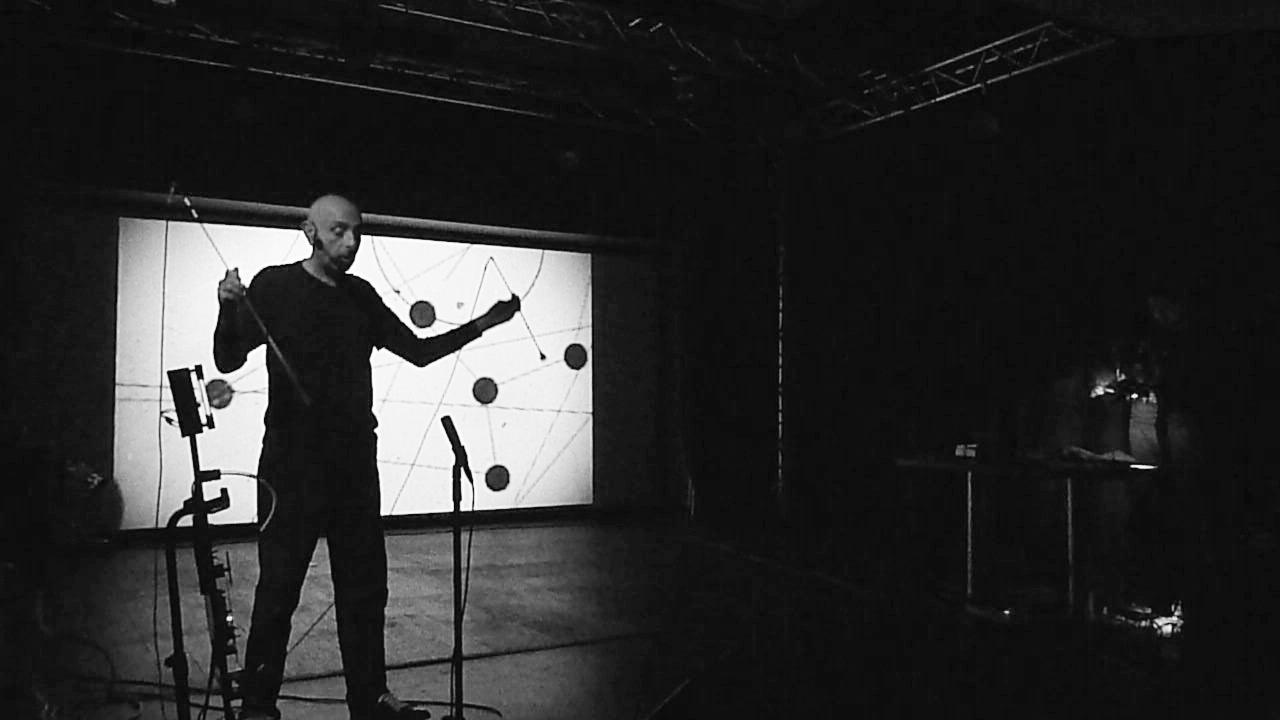
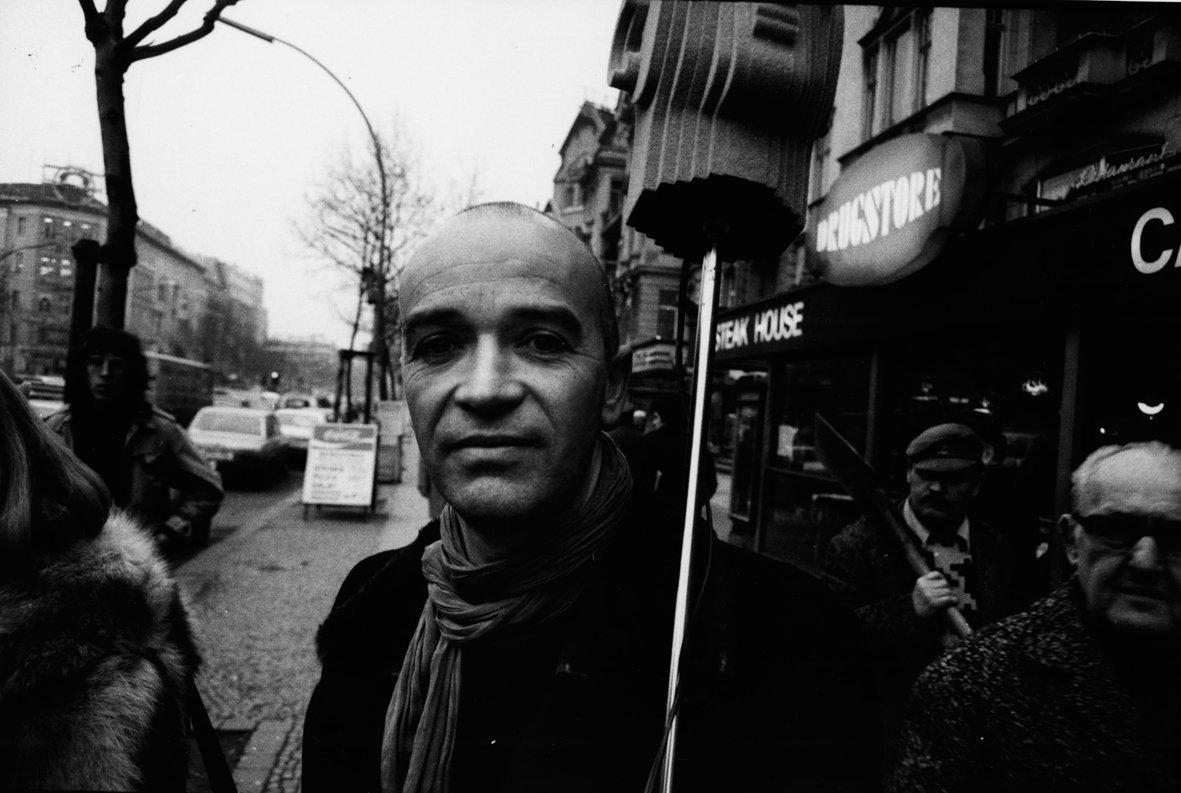
Richard Pinhas’ Spotify BioFrench guitarist Richard Pinhas led the group Heldon from 1974-1978, releasing seven albums with that group and six solo LPs, often featuring members of Heldon. Born in 1951, Pinhas earned a Ph.D. in philosophy at the Sorbonne and taught at that school. In 1972 he became a part of Schizo, a group whose music contained a great deal of electronics. After Schizo's demise, Pinhas formed Heldon, whose only constant was himself.
Pinhas' solo work covered a lot of ground. His first solo LP, Rhizosphere, was performed entirely on synthesizers, except for drums on the side-long title track. Chronolyse ranges from simple sequencer pieces to "Paul Atreides," a 30-minute piece performed by Heldon. The Iceland LP successfully captures the feel of an ancient, frozen land. East-West was Pinhas' most commercial work. L'Ethique was a varied work with a more structured feel than some of his previous efforts. Pinhas retired from music until the 1992 release of DWW, which contained work from the period… 1983-1991. It established the beginning of his longstanding relationship with United States-based Cuneiform Records, host label to the majority of his recordings since then, although the deal was not exclusive. Pinhas released Cyborg Sally with John Livengood in 1994, and the solo offering De l'Un et du Multiple for Spalax in 1996. To end the century, he issued two collaborative albums, Oblique Sessions II with multi-instrumentalist Pascal Comelade and Fossil Culture with composer/keyboardist Peter Frohmader.
Among his other activities, Pinhas also began experimenting with projects using spoken word during the late '90s (a methodology he first employed with Heldon), spoken by prominent 20th century visionaries and futurists including philosopher Gilles Deleuze, science fiction writers Norman Spinrad and Philip K. Dick, and French novelists Maurice Dantec and Chloé Delaume. The words -- either taped or cut live in real time, in English and French -- added layers of sound, texture, and conceptual meaning to Pinhas' music. Arriving in 2000, Schizotrope: The Life and Death of Marie Zorn was a compilation of live recordings from a U.S. tour by Pinhas and Dantec. The author read from the works of the late Deleuze's works with the guitarist playing in real time with electronic sound manipulation, and offered a fitting tribute to the radical thinker.
The following year, Pinhas re-formed Heldon to issue the limited-edition album Only Chaos Is Real, featuring drummer Antoine Paganotti (Magma), Ulan Bator bassist Olivier Manchion, and David Korn on vocals. He also released Le Pli: Schizotrope III with Dantec, a studio effort. Released in 2002, Event and Repetitions was crafted from over 70 hours of guitar playing, painstakingly edited for release. It was greeted with international acclaim as one of his finest recordings. Tranzition followed in 2004 with Paganotti on drums and Philippe Simon on violin. It also included a collaborative track with novelist Delaume. Paganotti and the violinist also appeared on 2006's double-length, conceptual Metatron, titled for an angel from the Judaic mystical Kaballah texts. Other sidemen included guitarist Alain Renaud, bassist Didier Batard, and Dantec.
Pinhas met Japanese electronic and noise master Masami Akita (aka Merzbow) while on tour. They issued their first collaborative recording, Keio Line, for Stephen Stapleton's Dirter Productions in 2008. Two years later, Merzbow and Wolf Eyes guested on Metal/Crystal. Two more live dates with Merzbow -- Rhizome and the retrospective Paris 2008 -- were released in 2011. The guitarist also performed with Akita and Wolf Eyes at that year's Festival International de Musique Actuelle de Victoriaville in Victoriaville, Quebec, resulting in a live album issued in 2012. A studio collaboration with Comelade entitled Flip Side (Of Sophism) was also released that year.
Pinhas issued one of his most ambitious projects with 2013's Desolation Row. The first part of a projected "devolution" trilogy that examined the global cost of neoliberalism and what he called "teknofascism," it was a militant continuation of the sonic, political, and social aesthetics that first emerged during his participation in the student revolts in Paris of 1968. To realize his vision, Pinhas recruited fellow avant-gardists Oren Ambarchi, Lasse Marhaug, Etienne Jaumet, Noel Akchote, Eric Borelva, and his own son, Duncan Nilson-Pinhas. Pinhas and French guitarist Tamagawa (Bertrand Gaude) released a self-titled limited-edition LP on Mayo Records as the first of three releases in 2014. The other two were issued on the same day by Cuneiform. The studio set Welcome in the Void with drummer Tatsuya Yoshida was the second "devolution" installment, while Tikkun, a live date with Oren Ambarchi, included performances on the second half from Merzbow, Duncan Nilson-Pinhas, and Borelva. The following year, Hakata Shibuya: Live in Japan 2014 with Tatsuya appeared from Bam Balam.
The year 2016 proved equally prolific for Pinhas. Cuneiform again released two very different albums simultaneously: Mu was a structured studio improvisation date co-billed to guitarist Barry Cleveland. The rhythm section included bassist Michael Manring and drummer Celso Alberti. Process and Reality, titled for philosopher Alfred North Whitehead's seminal work of 1929, was issued the same day and placed Pinhas in a trio setting with Yoshida and Merzbow (the first time they had all played together). The same year, vinyl label Bam Balam released the live Live at Tusk Festival, with Yoshida and saxophonist Ono Ryoko.
Pinhas toured the U.S. over the summer and fall that year. He also recorded his first date for Germany's Bureau B. Together with Ambarchi, he cut the skeleton of the album in Paris, playing all the instruments. They then threw everything out but their primary parts, and went searching for the right musicians to fill out the remainder. They recruited drummer Arthur Narcy, bassist Florian Tatar, Merzbow, Duncan Nilson-Pinhas, and percussionist William Winant. Reverse was released in January 2017. The following year, he paired with longtime associate Tatsuya Yoshida, and Acid Mothers Temple's Makoto Kawabata for Trax, a set of live, in-studio improvisations. ~ Jim Dorsch & Thom Jurek, Rovi
Viberate is a music analytics platform built for A&Rs, artist managers, labels, booking agents, marketers, and artists.
It helps music professionals track artist growth, analyze audience data, monitor playlist activity, compare artists, follow song performance, and identify opportunities across the music market.
Public artist pages provide a free preview of selected artist data. Paid plans provide access to deeper analytics, historical data, charts, comparisons, playlist tools, exports, alerts, reports, and additional professional features.
Yes. Public Viberate artist pages provide selected artist analytics and music data for free.
Viberate also offers a 7-day free trial of the full platform. A credit card is required to start the trial. The trial includes access to the complete product so users can test deeper artist analytics, historical views, playlist insights, comparisons, charts, exports, alerts, and reporting features before choosing a paid plan.
Viberate provides artist analytics across streaming, playlists, social media, video, radio airplay, songs, and audience markets.
Users can analyze Spotify performance, Spotify and Apple Music playlists, YouTube activity, TikTok and Instagram growth, radio spins, song performance, audience locations, demographics, rankings, and overall artist momentum.
Artist profiles also connect to music charts, similar artists, and comparison tools, helping users benchmark performance and evaluate artists in context.
Viberate updates key artist and track data daily.
For followed artists and tracks, selected data is refreshed multiple times per day. This helps teams monitor playlist changes, streaming movement, audience growth, releases, and campaign performance with more current data.
Update frequency can vary depending on the metric and data source.
Yes. Viberate lets users compare up to five artists side by side across streaming, social media, audience, and engagement metrics.
Users can compare fanbase growth, audience demographics, locations, Spotify performance, social metrics, and other artist data over selected time periods.
Artist comparison can be used for A&R scouting, benchmarking, booking decisions, campaign planning, and evaluating artists with similar audiences or market positions.