Günter Schickert

Electronic
Other Electronic Music
Progressive Rock
 Viberate Rank: 413247
 Viberate Rank: 413247
 Monthly ListenersFollowers
 Subscribers
 Followers
 Followers
 FansTop Spotify Songs
| Track | 7-Day Streams | |
|---|---|---|
1 | 86 | |
2 | 84 | |
3 | 82 | |
4 | 55 | |
5 | 36 |
Top YouTube VideosMonthly ListenersFeatured in Playlists| Playlist | Followers | |
|---|---|---|
1 |  KRAUTROCK alison | 21.75K |
2 |  KRAUTROCK CLASSICS Nikolai Carrion | 14.50K |
3 | space rock & psychedelia Edson Alejandro Adame | 8.05K |
4 |  Krautrock / Psych / Prog / Electronic / Avant Garde Daniel Georgsson | 5.79K |
5 |  Soul Jazz Records Martin Abrams | 5.42K |
Audience| City | Monthly Listeners | |
|---|---|---|
1 |  | 30 |
2 | | 27 |
3 |  | 17 |
4 |  | 15 |
5 |  | 15 |
See full performance history, audience data, playlist activity, rankings, comparisons, and more in Viberate music analytics. Start with a free trial, then continue with a paid plan.
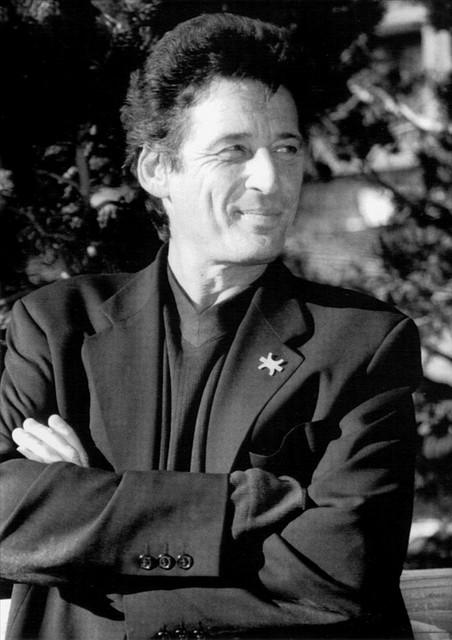
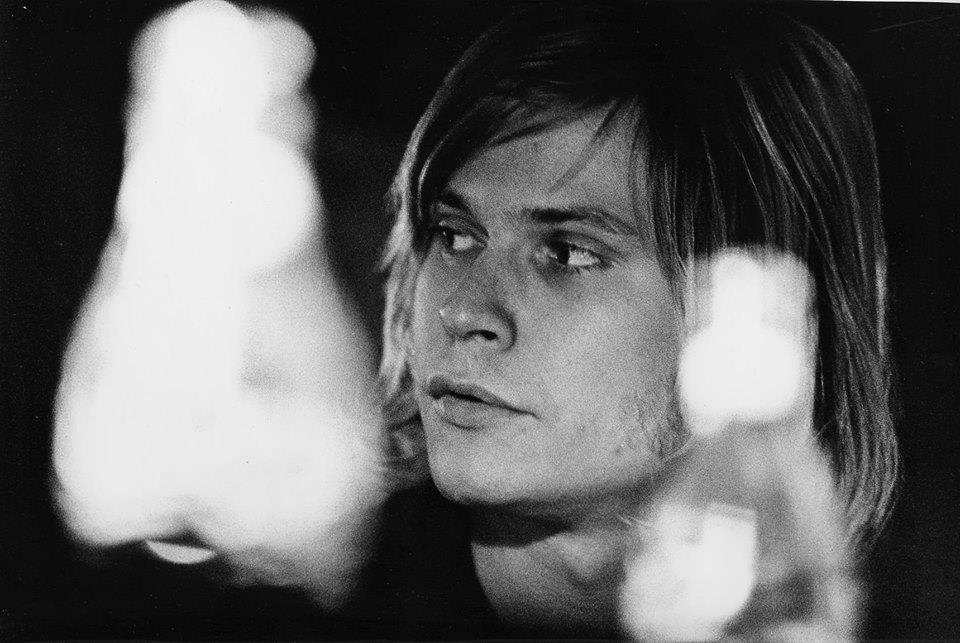
Günter Schickert’s Spotify BioThough his name barely registers among most of the Krautrock intelligentsia, Günter Schickert was both prolific in the background and an important artist. Along with the better-known Achim Reichel, Schickert pioneered the echo guitar, where the repeated guitar tones create unique, multi-layered textures that take the instrument quite beyond the ordinary.
Schickert was active through much of the '60s in the Berlin free jazz scene, though it wasn't until 1974 that his first album, Samtvogel, came out, self-released by Schickert in a small batch. The album was unique enough that it was quickly snatched up by the legendary Brain label, and they reissued the record the next year. Samtvogel is quite similar to Manuel Göttsching's solo-guitar album, Inventions for Electric Guitar, where guitar sounds are layered and layered on top of each other to create new hypnotic textures.
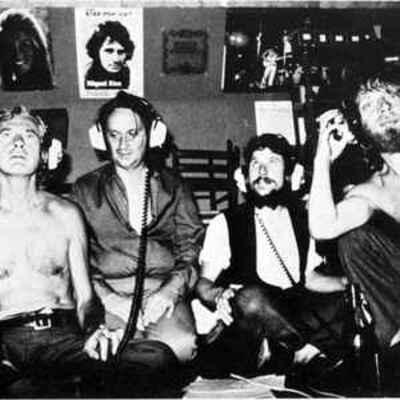
In 1973, Schickert founded the trio GAM, with guitarist Axel Struck and percussionist Michael Aleska, and with… Schickert on guitar, vocals, and trumpet, this group created a unique sort of freaked-out space rock. GAM recorded some jam sessions in 1976, which were finally released on cassette in 1986 and titled Gam 1976, and an unreleased album called Eiszeit in 1978.
At this time Schickert was also creating music for a theater company, and even performing live on-stage in some of the productions. He also served as a roadie for electronic music pioneer Klaus Schulze, and sometimes played live with Schulze as well. Schickert's second solo album, Uberfallig, came out in 1979 on Sky Records, this time with Charles Heuer on drums to augment Schickert's echoed guitar textures.
In the '80s, Schickert's work in theater production continued, and he also took part in a couple of bands, No Zen Orchestra and Ziguri Ego Zoo. A third album under his own name, this one a completely solo effort with him on guitar, tapes, vocals, percussion, and trumpet, 1993's Kinder der Wildnes only came out on cassette, though it showed that Schickert was expanding into a wider range of musical styles. Another collection, Somnabal, was released in 1995 on CD with music from throughout the decade-and-a-half before that. Though his recordings are few and hard to track down, especially the debut Samtvogel, Schickert is an innovative music creator who deserves more notice. ~ Rolf Semprebon, Rovi
Viberate is a music analytics platform built for A&Rs, artist managers, labels, booking agents, marketers, and artists.
It helps music professionals track artist growth, analyze audience data, monitor playlist activity, compare artists, follow song performance, and identify opportunities across the music market.
Public artist pages provide a free preview of selected artist data. Paid plans provide access to deeper analytics, historical data, charts, comparisons, playlist tools, exports, alerts, reports, and additional professional features.
Yes. Public Viberate artist pages provide selected artist analytics and music data for free.
Viberate also offers a 7-day free trial of the full platform. A credit card is required to start the trial. The trial includes access to the complete product so users can test deeper artist analytics, historical views, playlist insights, comparisons, charts, exports, alerts, and reporting features before choosing a paid plan.
Viberate provides artist analytics across streaming, playlists, social media, video, radio airplay, songs, and audience markets.
Users can analyze Spotify performance, Spotify and Apple Music playlists, YouTube activity, TikTok and Instagram growth, radio spins, song performance, audience locations, demographics, rankings, and overall artist momentum.
Artist profiles also connect to music charts, similar artists, and comparison tools, helping users benchmark performance and evaluate artists in context.
Viberate updates key artist and track data daily.
For followed artists and tracks, selected data is refreshed multiple times per day. This helps teams monitor playlist changes, streaming movement, audience growth, releases, and campaign performance with more current data.
Update frequency can vary depending on the metric and data source.
Yes. Viberate lets users compare up to five artists side by side across streaming, social media, audience, and engagement metrics.
Users can compare fanbase growth, audience demographics, locations, Spotify performance, social metrics, and other artist data over selected time periods.
Artist comparison can be used for A&R scouting, benchmarking, booking decisions, campaign planning, and evaluating artists with similar audiences or market positions.