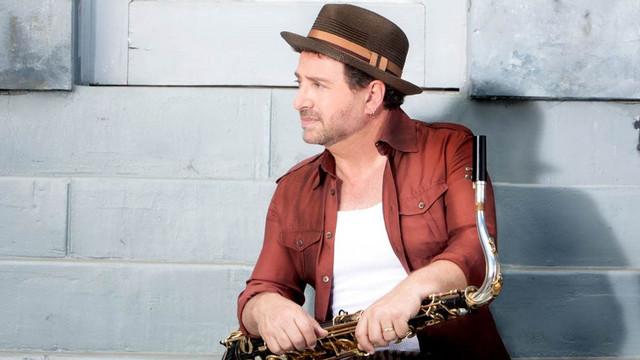
Richard Elliot

Jazz
Smooth Jazz
 Viberate Rank: 36265
 Viberate Rank: 36265
 Monthly ListenersFollowers
 Subscribers
 Followers
 Followers
 FansTop Spotify Songs
| Track | 7-Day Streams | |
|---|---|---|
1 | 63.79K | |
2 | 62.25K | |
3 | 40.69K | |
4 | 34.86K | |
5 | 32.96K |
Top YouTube Videos| Video | 7-Day Views | |
|---|---|---|
1 | 2.97K | |
2 | 826 | |
3 | 455 | |
4 | 380 | |
5 | 370 |
Monthly ListenersFeatured in Playlists| Playlist | Followers | |
|---|---|---|
1 |  Smooth Jazz Chill Spotify | 477.75K |
2 |  Smooth Jazz Spotify | 463.68K |
3 |  Instrumental Funk Spotify | 394.15K |
4 |  Smooth Jazz Classics Spotify | 194.34K |
5 |  Romantic Smooth Jazz Spotify | 176.29K |
Audience| City | Monthly Listeners | |
|---|---|---|
1 | | 4.66K |
2 | | 4.65K |
3 | | 4.13K |
4 | | 4.13K |
5 | | 4.11K |
See full performance history, audience data, playlist activity, rankings, comparisons, and more in Viberate music analytics. Start with a free trial, then continue with a paid plan.
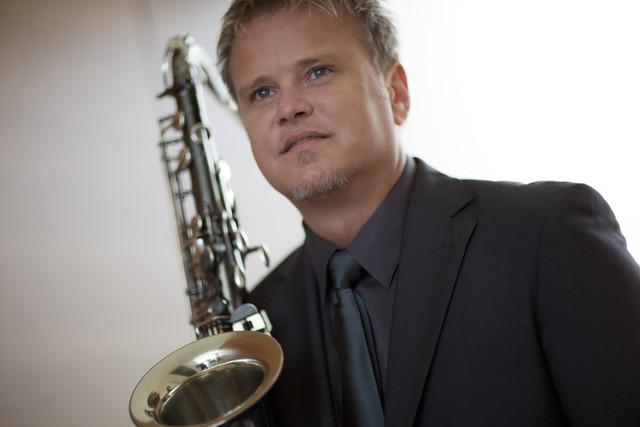
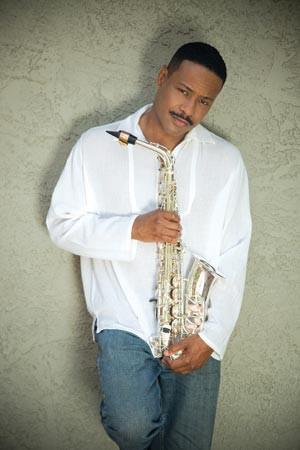
Richard Elliot’s Spotify BioLos Angeles-based saxophonist and composer Richard Elliot is widely considered one of the architects of urban contemporary jazz. After indulging his lifelong love of funk and R&B as a studio ace and spending five years as a member of Tower of Power, Elliot and his fat, reedy tone began braiding soul, funk, and hip-hop grooves with smooth jazz on his albums including 1986's Trolltown. After signing to Blue Note in 1989, he issued a host of charting albums for the label including 1992's On the Town, and 1997's Jumpin' Off. Elliot's records helped to define the contemporary jazz radio format. During that period he also helped launch the annual franchised Guitars & Saxes tours. He continued developing his own accessible sound into the 21st century on two charting outings for GRP including 2001's Crush and 2003's Ricochet. 2005's Metro Blue spent 42 weeks on the charts and peaked at number two, while his album with trumpeter Rick Braun on 2007's RnR topped the contemporary jazz chart during… its 47-week stay. He was among the saxists (who also included Gerald Albright and Mindi Abair) to appear on Dave Koz and Friends' number one Summer Horns (it remained on the charts for more than eight months). Elliot followed with his own chart-topping, jazz-funk outing Summer Madness in 2016. He joined Koz and crew again for Summer Horns II: From A to Z and returned to solo work on 2021's funky Authentic Life.
Elliot was born in Scotland but emigrated with his parents to Los Angeles at age three. He began his musical studies on the clarinet at seven and switched to saxophone in junior high school. His music of choice while growing up was soul, in particular the sounds of Motown and Philly International. He moved to Los Angeles from Detroit in 1972, which allowed the young saxophonist to indulge his obsession. He landed his first professional jobs behind Natalie Cole and the Pointer Sisters, and after playing and recording with fusion outfit Kittyhawk (with Jeff Lorber) and touring with Melissa Manchester, he was invited to join the Tower of Power Horns in 1982. He soaked up everything he could from the group's veterans and continued to forge his own meld of genres. Elliot worked with the Yellowjackets on their second album Mirage a Trois, and recorded with his idols the Temptations, the Four Tops, and Smokey Robinson, as well as Deniece Williams, Rick Springfield, and others.
During his tenure with Tower of Power, Elliot began his solo career, releasing Initial Approach for ITI in 1984. In 1986 he issued Trolltown, the first of three albums for the independent Intima label. Given how busy he was with solo, session, and touring gigs, Elliot decided to embark on a solo career in 1987 and left Tower of Power.
In 1988 and 1989 he issued The Power of Suggestion and Take to the Skies (Elliot is also a licensed pilot) for Intima, and released What's Inside for Enigma in 1990, just after Bruce Lundvall signed him to Manhattan/Blue Note.
Elliot debuted for the label with On the Town the following year. Buoyed by abundant airplay from Adult AC and the new urban contemporary jazz formats, the set peaked at number two and spent more than six months on the contemporary jazz charts. Between 1993's Soul Embrace and his final outing for Blue Note, 1999's Chill Factor, Elliot issued six consecutive Top Ten contemporary jazz albums including the best-selling Jumpin' Off in 1997.
In 2000, Elliot signed with GRP, where he debuted with the chart-topping Crush the following year. After a nearly two-year sold-out world tour in 2001 and 2002, he returned to recording with Ricochet in 2003. Produced by keyboardist Jeff Lorber, who also played on the date, the album also featured contributions from guitarist Jonathan Butler, keyboardist Rex Rideout, percussionist Lenny Castro, and others.
After parting ways with GRP, Elliot founded the ARTizen Music Group with trumpeter Rick Braun. His debut for the imprint was Metro Blue in 2005. It reached number two on the contemporary jazz chart and spent more than 40 weeks there. Its single, a cover of the Stylistics' "People Make the World Go Round," spent 11 weeks at number one. Two years later, Elliot and Braun collaborated again on RnR. The title track from the album spent over two months at number one on the smooth jazz chart, and the full-length nabbed the number one spot on the contemporary jazz chart.
Elliot and Braun eventually sold their label to Artistry Music, which is distributed by Mack Avenue. The saxophonist's debut for Mack Avenue was 2009's Rock Steady. Inspired by Elliot's love of R&B, the album featured both originals and covers, including readings of the Aretha Franklin title track and Curtis Mayfield's "Move on Up." Musicians Braun, Gerald Albright, and Lorber all made key contributions. As with its two predecessors, Rock Steady charted in the Top Four and spent 40 weeks on the contemporary jazz chart. Elliot and Lorber teamed up again to produce 2011's In the Zone, a collection of nine originals and a striking cover of Marvin Gaye's "Inner City Blues (Make Me Wanna Holler)." The album was released in mid-October and marked Elliot's 25th anniversary as a recording artist. After playing with Tower of Power again for its 40th anniversary concert at the Fillmore Auditorium in San Francisco, he joined saxophonists Dave Koz, Mindi Abair, and Albright in 2013 for the best-selling all-star collaboration Summer Horns. The set not only topped the charts but garnered a Grammy nomination for Best Instrumental Pop Album as well.
Elliot returned to his own work with Lip Service, his 2014 album for the Heads Up/Concord Music Group. Inspired by his wife, the album featured a mix of originals and covers, including reworkings of Brian McKnight's "Anytime," Bruno Mars' "When I Was Your Man," and a version of the Manhattans' "Shining Star," arranged by fellow Tower of Power alumnus trumpeter Greg Adams. In 2016, Elliot delivered his second album for Heads Up/Concord, the '70s funk- and fusion-influenced Summer Madness. Produced by Braun, who also played trumpet on the session, it showcases contributions from saxophonist Curt Waylee and bassist Nathaniel Phillips, among others. The set includes a cover of Spyro Gyra's "Cachaca," topped the contemporary jazz list, and spent 29 weeks on the chart.
Elliot worked in Japan in-studio and on tour with all-star fusion drummer Akira Jimbo (Casiopea) in 2016 and 2017. The following year he reprised his role with Dave Koz and Friends on Summer Horns II: From A to Z that included Albright, Braun, and Aubrey Logan in place of Abair. Its 24-week journey on the contemporary jazz charts resulted in another number one.
After more work with Jimbo, he guested on the dark, heavy psych unit Comacozer's Mydriasis and on Braun's Crossroads for Shanachie in 2019 -- Elliot signed with the label the following year. In January of 2021, the saxophonist released Authentic Life. The set included contributions from a plethora of contemporary jazz artists including Braun, Koz, Lorber, Chris "Big Dog" Davis, Philippe Saisse, David Mann, and Lenny Castro. ~ Thom Jurek, Rovi
Viberate is a music analytics platform built for A&Rs, artist managers, labels, booking agents, marketers, and artists.
It helps music professionals track artist growth, analyze audience data, monitor playlist activity, compare artists, follow song performance, and identify opportunities across the music market.
Public artist pages provide a free preview of selected artist data. Paid plans provide access to deeper analytics, historical data, charts, comparisons, playlist tools, exports, alerts, reports, and additional professional features.
Yes. Public Viberate artist pages provide selected artist analytics and music data for free.
Viberate also offers a 7-day free trial of the full platform. A credit card is required to start the trial. The trial includes access to the complete product so users can test deeper artist analytics, historical views, playlist insights, comparisons, charts, exports, alerts, and reporting features before choosing a paid plan.
Viberate provides artist analytics across streaming, playlists, social media, video, radio airplay, songs, and audience markets.
Users can analyze Spotify performance, Spotify and Apple Music playlists, YouTube activity, TikTok and Instagram growth, radio spins, song performance, audience locations, demographics, rankings, and overall artist momentum.
Artist profiles also connect to music charts, similar artists, and comparison tools, helping users benchmark performance and evaluate artists in context.
Viberate updates key artist and track data daily.
For followed artists and tracks, selected data is refreshed multiple times per day. This helps teams monitor playlist changes, streaming movement, audience growth, releases, and campaign performance with more current data.
Update frequency can vary depending on the metric and data source.
Yes. Viberate lets users compare up to five artists side by side across streaming, social media, audience, and engagement metrics.
Users can compare fanbase growth, audience demographics, locations, Spotify performance, social metrics, and other artist data over selected time periods.
Artist comparison can be used for A&R scouting, benchmarking, booking decisions, campaign planning, and evaluating artists with similar audiences or market positions.