Kim Waters

Jazz
Smooth Jazz
 Viberate Rank: 56056
 Viberate Rank: 56056
 Monthly ListenersFollowers
 Subscribers
 Followers
 Followers
 FansTop Spotify Songs
| Track | 7-Day Streams | |
|---|---|---|
1 | 67.61K | |
2 | 30.29K | |
3 | 27.92K | |
4 | 20.33K | |
5 | 17.70K |
Top YouTube Videos| Video | 7-Day Views | |
|---|---|---|
1 | 929 | |
2 | 279 | |
3 | 276 | |
4 | 101 | |
5 | 86 |
Monthly ListenersFeatured in Playlists| Playlist | Followers | |
|---|---|---|
1 |  Smooth Jazz Chill Spotify | 477.46K |
2 |  Smooth Jazz Spotify | 463.66K |
3 |  Smooth Jazz Classics Spotify | 194.30K |
4 |  Romantic Smooth Jazz Spotify | 176.27K |
5 |  Smooth Jazz - Instrumental Pekka Martikainen | 141.77K |
Audience| City | Monthly Listeners | |
|---|---|---|
1 | | 3.54K |
2 | | 3.54K |
3 | | 3.38K |
4 | | 3.19K |
5 | | 3.15K |
See full performance history, audience data, playlist activity, rankings, comparisons, and more in Viberate music analytics. Start with a free trial, then continue with a paid plan.
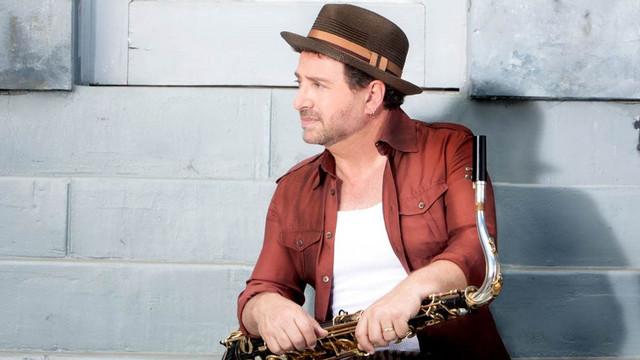
Kim Waters’ Spotify BioSaxophonist Kim Waters is a soulful melodicist known for his romantic style of contemporary jazz. He first garnered fans in the 1990s with albums like Sax Appeal and Love's Melody, then earned wider attention with From the Heart in 2001. Waters celebrated the music of Marvin Gaye on 2008's I Want You: Love in the Spirit of Marvin and has remained a contemporary jazz chart regular, hitting number 12 with Rhythm and Romance and three with 2018's What I Like. He is also the father of singer Kayla Waters, who joined him in on 2022's That Special Touch.
Born in Havre de Grace, Maryland, Waters first started out on violin at age eight, eventually settling on the alto and soprano saxophone in middle school. Influenced by his father's love of jazz, as well as soul artists like Barry White, Waters discovered other influences, including Grover Washington, Jr. and David Sanborn. He also studied privately with noted saxophonist Mickey Fields and formed a band with his brothers called Phase. After… high school, he spent a year and a half studying music at Hartford Community College, before leaving to tour with saxophonist Byrd Pressley, whose band also included Waters' brothers, as well as childhood friend and pianist Cyrus Chestnut.
Following several years with Pressley, Waters made his solo debut in 1989 with the self-produced Sweet and Saxy. It was quickly snapped up by the Warlock label (renamed N-Coded). Continuing to build upon his smooth jazz sound, Waters delivered more well-received albums for the label, including 1991's Sax Appeal, 1993's Peaceful Journey, and 1994's It's Time for Love. It was a creatively transformative period for the saxophonist that culminated in 1998's Love's Melody and 1999's One Special Moment.
In 2001, Waters delivered From the Heart, his first of several albums on Shanachie Records that included 2002's Someone to Love You, 2004's In the Name of Love, 2007's You Are My Lady, and his 2008 homage to Marvin Gaye, I Want You: Love in the Spirit of Marvin. In 2011, Waters closed out his time with Shanachie with This Heart of Mine, featuring covers of R. Kelly's "Love Letter" and Jay-Z and Alicia Keys' "Empire State of Mind."
In 2013, Waters moved to Red River Entertainment for My Loves, which included guest appearances from vocalists Glenn Jones and Waters' wife, Dana Pope. Pope was also featured on Waters' next effort, Silver Soul, which also included vocals from singer/actress Zendaya and vocalist Eric Roberson. The holiday-themed My Gift to You followed in 2015.
In 2016, Waters made his return to Shanachie with Rhythm and Romance; the set peaked at number 12 on the Jazz Albums chart. In the summer of 2018, he undertook a tour of amphitheaters, festivals, and outdoor shed stages across the United States, previewing material from his next date, What I Like, released that September. The album reached number three on the Billboard Contemporary Jazz Albums chart. Waters returned in June 2020 with Shakedown, featuring a cover of Ella Mai's "Boo'd Up." That Special Touch arrived in 2022 and featured the saxophonist's daughter, vocalist Kayla Waters, on a cover of Adele's "Easy on Me." ~ Matt Collar
Viberate is a music analytics platform built for A&Rs, artist managers, labels, booking agents, marketers, and artists.
It helps music professionals track artist growth, analyze audience data, monitor playlist activity, compare artists, follow song performance, and identify opportunities across the music market.
Public artist pages provide a free preview of selected artist data. Paid plans provide access to deeper analytics, historical data, charts, comparisons, playlist tools, exports, alerts, reports, and additional professional features.
Yes. Public Viberate artist pages provide selected artist analytics and music data for free.
Viberate also offers a 7-day free trial of the full platform. A credit card is required to start the trial. The trial includes access to the complete product so users can test deeper artist analytics, historical views, playlist insights, comparisons, charts, exports, alerts, and reporting features before choosing a paid plan.
Viberate provides artist analytics across streaming, playlists, social media, video, radio airplay, songs, and audience markets.
Users can analyze Spotify performance, Spotify and Apple Music playlists, YouTube activity, TikTok and Instagram growth, radio spins, song performance, audience locations, demographics, rankings, and overall artist momentum.
Artist profiles also connect to music charts, similar artists, and comparison tools, helping users benchmark performance and evaluate artists in context.
Viberate updates key artist and track data daily.
For followed artists and tracks, selected data is refreshed multiple times per day. This helps teams monitor playlist changes, streaming movement, audience growth, releases, and campaign performance with more current data.
Update frequency can vary depending on the metric and data source.
Yes. Viberate lets users compare up to five artists side by side across streaming, social media, audience, and engagement metrics.
Users can compare fanbase growth, audience demographics, locations, Spotify performance, social metrics, and other artist data over selected time periods.
Artist comparison can be used for A&R scouting, benchmarking, booking decisions, campaign planning, and evaluating artists with similar audiences or market positions.