Richard Boothby

Classical
Orchestral
Chamber Music
 Viberate Rank: 360210
 Viberate Rank: 360210
 Monthly ListenersFollowers
 Subscribers
 Followers
 Followers
 FansTop Spotify SongsTop YouTube VideosMonthly ListenersFeatured in Playlists
| Playlist | Followers | |
|---|---|---|
1 |  Dark Opera kaiagerlovin | 28.89K |
2 | musica clasica alegre jagonzalezdelgado | 12.89K |
3 | Hauntingly Beautiful Opera drjohnmberry | 6.48K |
4 |  Dark Classical Squirrel Potatoes | 3.99K |
5 |  Classical - Relaxing Baroque Paddy Stobbs | 3.61K |
Audience| City | Monthly Listeners | |
|---|---|---|
1 |  | 230 |
2 | | 191 |
3 |  | 173 |
4 |  | 159 |
5 |  | 142 |
See full performance history, audience data, playlist activity, rankings, comparisons, and more in Viberate music analytics. Start with a free trial, then continue with a paid plan.
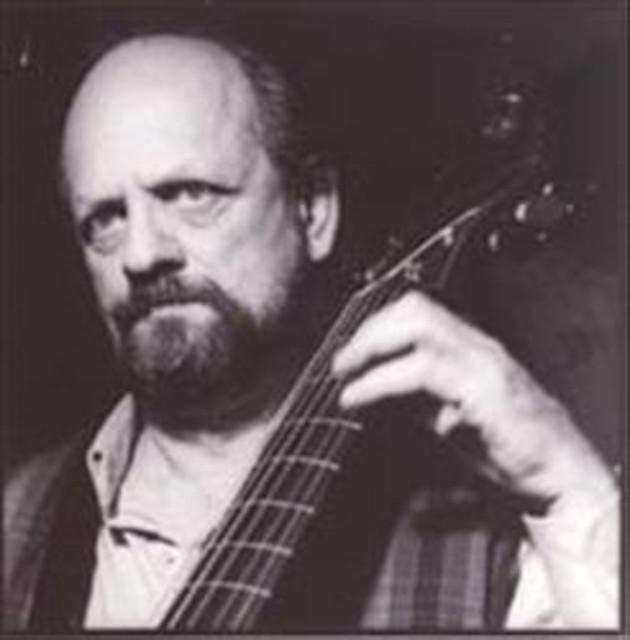
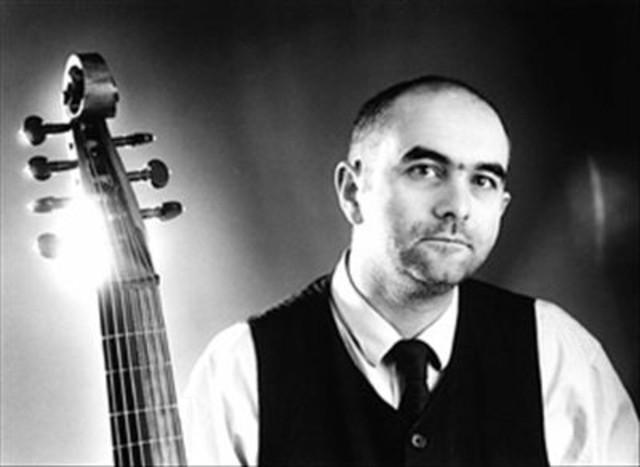
Richard Boothby’s Spotify BioVeteran viol player Richard Boothby, in addition to performing Baroque music, has worked to expand the contemporary repertory for his instruments. He is a longtime member of the Fretwork ensemble.
Boothby grew up in South Wales, where his parents owned a recording of Arturo Toscanini conducting the NBC Symphony Orchestra in Beethoven's Symphony No. 4 in B flat major, Op. 60. His school offered free instrumental tuition for students, and at 11, he was given the choice of a violin, a clarinet, or a cello. He wanted to play the oboe and confused the cello with the oboe but was too embarrassed to say anything. However, he kept on with the cello. Boothby attended Manchester University, studying musicology. He wrote an undergraduate thesis on the tonality of Wagner's Ring Cycle, and musicologist David Fallows handed him a tenor viol to demonstrate a point. Boothby became fascinated by the instrument and went on for lessons with Charles Medlam in London and then, in 1980 and 1981, at the… Mozarteum in Salzburg, Austria, with early music pioneer Nikolaus Harnoncourt. Returning to Britain, Boothby launched a freelance career while working at the Early Music Shop in London. As his performing career grew, he dropped the side hustle.
In 1984, Boothby founded the Purcell Quartet and then Fretwork in 1985. Both groups flourished, and Fretwork remained active, with Boothby as the sole original member as of the mid-2020s. He recorded almost 50 albums with the Purcell Quartet and more than 40 and counting with Fretwork. With the latter group especially, Boothby has taken a major role in commissioning new music for the viol consort. Composers the group performed include Elvis Costello, Alexander Goehr, Nico Muhly, and George Benjamin. Boothby has also performed and recorded solo on viols unusually frequently. He has transcribed major works of Bach for viol, and in 2016, he joined viola da gamba player Christophe Coin for a program of French and English repertory for two viols, and that year, he released a recording of the complete music for lyra viol of William Lawes on the Harmonia Mundi label. Boothby is also often heard in duo sonata repertory with the harpsichordist Mahan Esfahani. In 2018, he moved to Signum Classics for a recording of Telemann fantasias, and he returned in 2023 with the album Music to Hear...: Alfonso Ferrabosco, Music for Lyra Viol from 1609. ~ James Manheim, Rovi
Viberate is a music analytics platform built for A&Rs, artist managers, labels, booking agents, marketers, and artists.
It helps music professionals track artist growth, analyze audience data, monitor playlist activity, compare artists, follow song performance, and identify opportunities across the music market.
Public artist pages provide a free preview of selected artist data. Paid plans provide access to deeper analytics, historical data, charts, comparisons, playlist tools, exports, alerts, reports, and additional professional features.
Yes. Public Viberate artist pages provide selected artist analytics and music data for free.
Viberate also offers a 7-day free trial of the full platform. A credit card is required to start the trial. The trial includes access to the complete product so users can test deeper artist analytics, historical views, playlist insights, comparisons, charts, exports, alerts, and reporting features before choosing a paid plan.
Viberate provides artist analytics across streaming, playlists, social media, video, radio airplay, songs, and audience markets.
Users can analyze Spotify performance, Spotify and Apple Music playlists, YouTube activity, TikTok and Instagram growth, radio spins, song performance, audience locations, demographics, rankings, and overall artist momentum.
Artist profiles also connect to music charts, similar artists, and comparison tools, helping users benchmark performance and evaluate artists in context.
Viberate updates key artist and track data daily.
For followed artists and tracks, selected data is refreshed multiple times per day. This helps teams monitor playlist changes, streaming movement, audience growth, releases, and campaign performance with more current data.
Update frequency can vary depending on the metric and data source.
Yes. Viberate lets users compare up to five artists side by side across streaming, social media, audience, and engagement metrics.
Users can compare fanbase growth, audience demographics, locations, Spotify performance, social metrics, and other artist data over selected time periods.
Artist comparison can be used for A&R scouting, benchmarking, booking decisions, campaign planning, and evaluating artists with similar audiences or market positions.