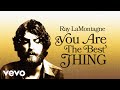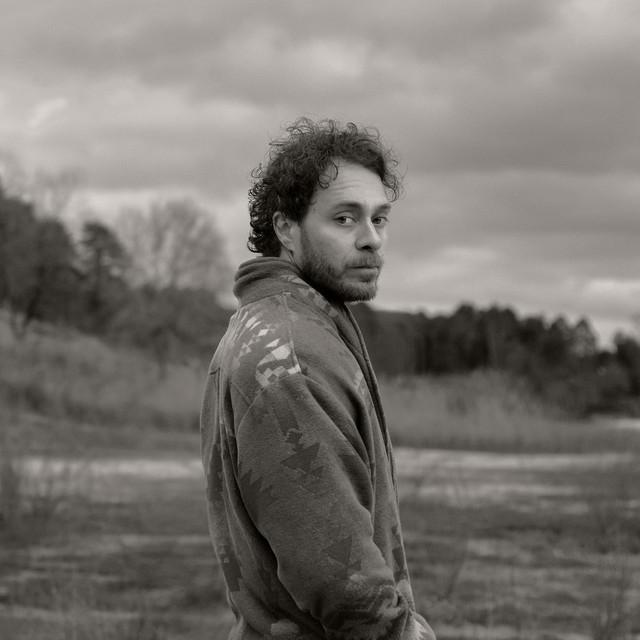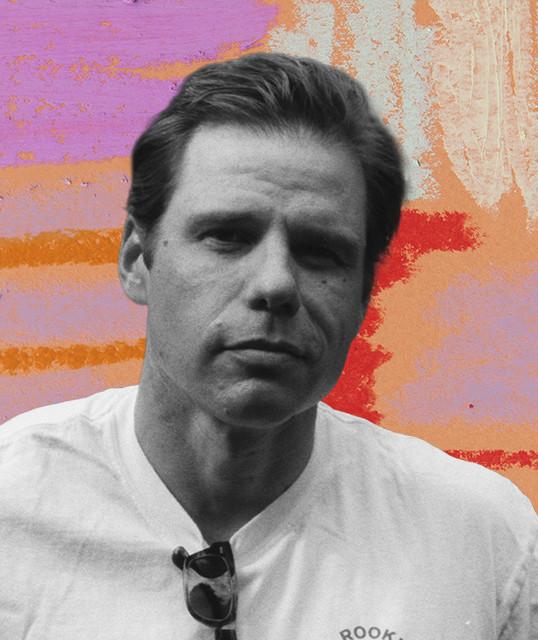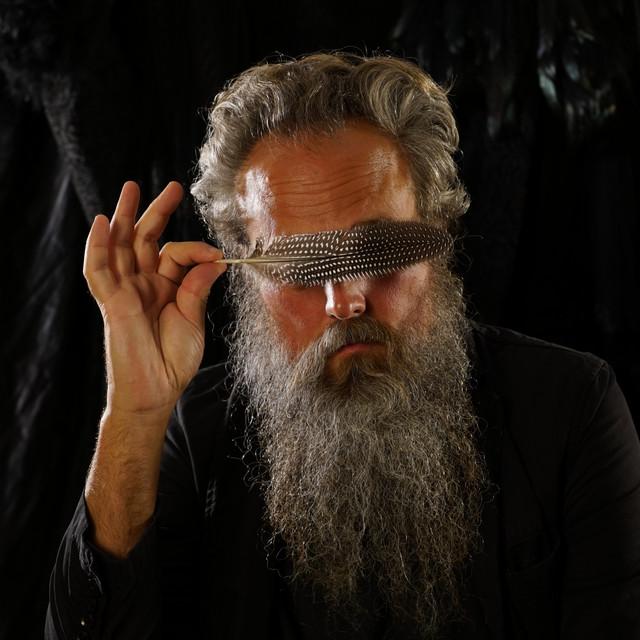
Ray LaMontagne

Rock
Folk Rock
Mainstream Pop
 Viberate Rank: 7910
 Viberate Rank: 7910
 Monthly ListenersFollowers
 Subscribers
 Followers
 Followers
 FansTop Spotify Songs
| Track | 7-Day Streams | |
|---|---|---|
1 | 595.05K | |
2 | 587.59K | |
3 | 522.54K | |
4 | 470.97K | |
5 | 232.67K |
Top YouTube VideosMonthly ListenersFeatured in Playlists| Playlist | Followers | |
|---|---|---|
1 |  Your Favorite Coffeehouse Spotify | 4.00M |
2 |  Relax & Unwind Spotify | 3.46M |
3 |  Totally Stress Free Spotify | 2.11M |
4 |  Acoustic Chill Spotify | 2.08M |
5 |  Run Wild Spotify | 2.06M |
Audience| City | Monthly Listeners | |
|---|---|---|
1 |  | 57.65K |
2 |  | 54.82K |
3 | | 48.65K |
4 | | 48.19K |
5 | | 47.26K |
See full performance history, audience data, playlist activity, rankings, comparisons, and more in Viberate music analytics. Start with a free trial, then continue with a paid plan.
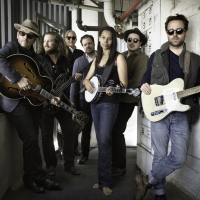
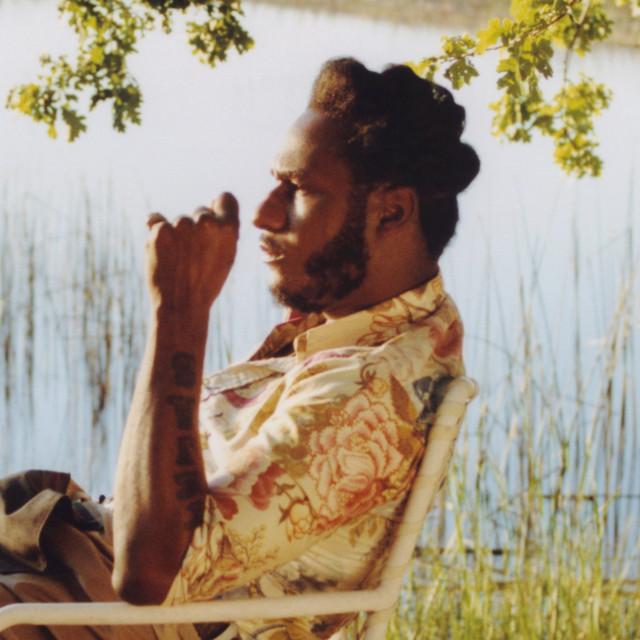
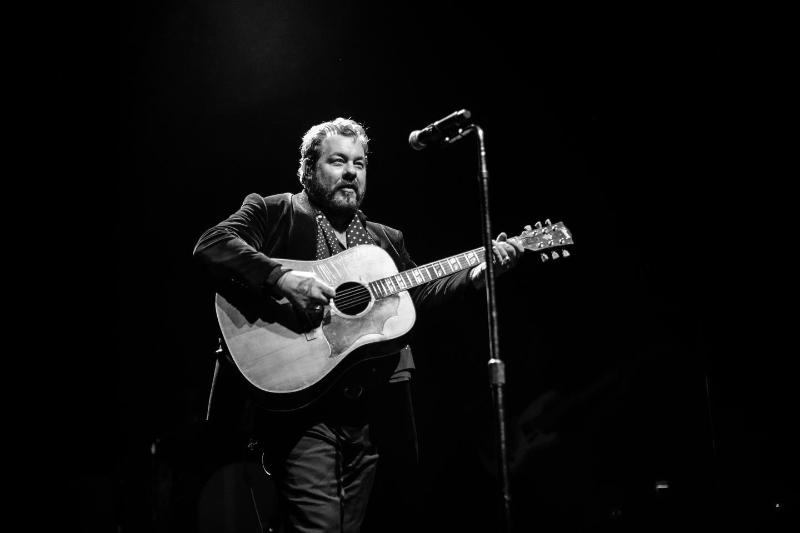
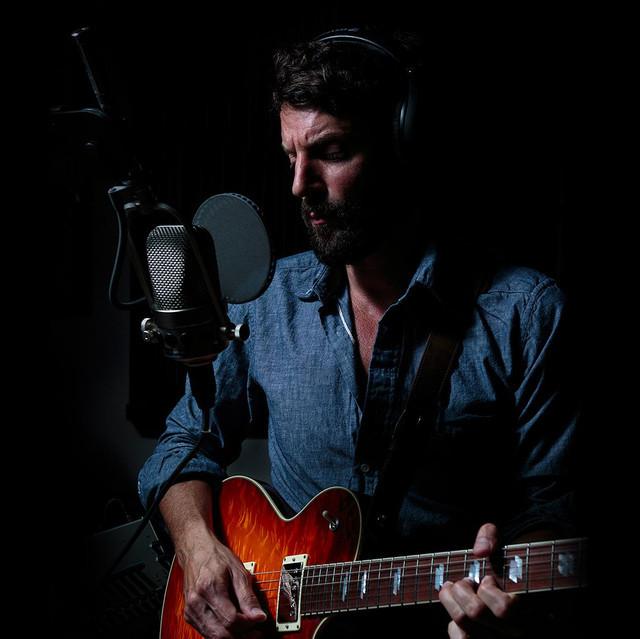
Ray LaMontagne’s Spotify BioWith a voice that recalls a huskier, sandpapery version of Van Morrison and Tim Buckley, Grammy winner Ray LaMontagne joins such artists as Iron & Wine in creating folk songs that are alternately lush and intimately earthy. Following his full-length debut, 2004's Trouble, he gradually broadened his musical palette, incorporating horns and strings on 2006's Til the Sun Turns Black and evoking the psychedelic pop and country-rock of the late 1960s and early '70s with his fifth album, the Dan Auerbach-produced Supernova. Issued in 2014, the latter became his third straight album to peak at number three on the Billboard 200. LaMontagne's eighth long-player, 2020's Monovision, was his first entirely self-recorded effort, including all instrument performances. Working collaboratively again, he channeled classic pop-soul on "Step Into Your Power" ahead of 2024's Long Way Home LP.
Raymond Charles Jack LaMontagne was born in Nashua, New Hampshire, in 1973. His parents split up shortly after his… birth, and his mother began a pattern of moving her six children to any locale that could offer her employment and housing. As a result, LaMontagne grew up as the perennial new kid in school (when he went to school at all). He did graduate high school, however, and found himself working in a shoe factory in Maine when he heard Stephen Stills' "Tree Top Flyer" on the radio. The song amounted to an epiphany for LaMontagne, who made up his mind on the spot to become a singer and musician.
By mid-1999, he had put together a ten-song demo tape that soon found its way into the hands of Jamie Ceretta at Chrysalis. The publishing house signed the young songwriter and teamed him with producer Ethan Johns, resulting in LaMontagne's debut album, Trouble. The record was picked up by RCA and released in September of 2004, impressing critics with such songs as "Trouble" and the cinematic style of pieces like "Narrow Escape." A follow-up album for the RCA label, the more fully arranged Til the Sun Turns Black, appeared in 2006. He also placed songs in multiple American television shows, including ER, Bones, and One Tree Hill. Gossip in the Grain followed in 2008, also with Johns in the producer's chair. LaMontagne's biggest commercial success to that point, it debuted at number three on the U.S. album chart and featured several songs later heard on TV shows.
In 2012, LaMontagne returned with his fourth studio album, God Willin' & the Creek Don't Rise. His first one without producer Ethan Johns, the session was produced instead by LaMontagne at his home studio and billed his backing band, the Pariah Dogs (bassist Jennifer Condos, guitarist Eric Heywood, and drummer Jay Bellerose). It peaked at number three on the Billboard 200 and earned LaMontagne his first Grammy win, for Best Contemporary Folk Album. Produced and recorded by the Black Keys' Dan Auerbach, Supernova was released in April 2014. It fared well critically and reached number one on Billboard's Top Rock Albums chart and, again, number three on the Billboard 200. The following May, one of LaMontagne's early songs, "Please," was given a major boost when it was covered by Sawyer Fredericks, the season eight winner of NBC's The Voice. Fredericks' version became a hit, charting well on major streaming platforms.
Teasing a change of direction in a note to a group of fans, LaMontagne worked with My Morning Jacket frontman Jim James on his next outing, 2016's Ouroboros. Designed for full-album play, it was immersed in blues guitar and a rich psychedelic tapestry built with vintage instruments. Ouroboros peaked at number 13 on the U.S. album chart while reaching a career-high number two on the alternative chart. Merging those psychedelic tendencies with his Americana roots, the self-produced Part of the Light followed in 2018 and cracked the Top 40. He opted to go it alone on his eighth album, Monovision. Released in mid-2020 during the COVID-19 pandemic, it was written, produced, engineered, and performed entirely by LaMontagne. It topped out at 163 on the Billboard 200.
In August 2023, he returned with the non-album single “Broken Sky" b/w "It Takes Me Back”; the latter song featured My Morning Jacket's Carl Broemel on pedal steel guitar. The uplifting, classic Motown-influenced "Step Into Your Power" followed in June 2024, two months before the arrival of his ninth studio LP, Long Way Home. ~ Steve Leggett & Marcy Donelson, Rovi
Viberate is a music analytics platform built for A&Rs, artist managers, labels, booking agents, marketers, and artists.
It helps music professionals track artist growth, analyze audience data, monitor playlist activity, compare artists, follow song performance, and identify opportunities across the music market.
Public artist pages provide a free preview of selected artist data. Paid plans provide access to deeper analytics, historical data, charts, comparisons, playlist tools, exports, alerts, reports, and additional professional features.
Yes. Public Viberate artist pages provide selected artist analytics and music data for free.
Viberate also offers a 7-day free trial of the full platform. A credit card is required to start the trial. The trial includes access to the complete product so users can test deeper artist analytics, historical views, playlist insights, comparisons, charts, exports, alerts, and reporting features before choosing a paid plan.
Viberate provides artist analytics across streaming, playlists, social media, video, radio airplay, songs, and audience markets.
Users can analyze Spotify performance, Spotify and Apple Music playlists, YouTube activity, TikTok and Instagram growth, radio spins, song performance, audience locations, demographics, rankings, and overall artist momentum.
Artist profiles also connect to music charts, similar artists, and comparison tools, helping users benchmark performance and evaluate artists in context.
Viberate updates key artist and track data daily.
For followed artists and tracks, selected data is refreshed multiple times per day. This helps teams monitor playlist changes, streaming movement, audience growth, releases, and campaign performance with more current data.
Update frequency can vary depending on the metric and data source.
Yes. Viberate lets users compare up to five artists side by side across streaming, social media, audience, and engagement metrics.
Users can compare fanbase growth, audience demographics, locations, Spotify performance, social metrics, and other artist data over selected time periods.
Artist comparison can be used for A&R scouting, benchmarking, booking decisions, campaign planning, and evaluating artists with similar audiences or market positions.