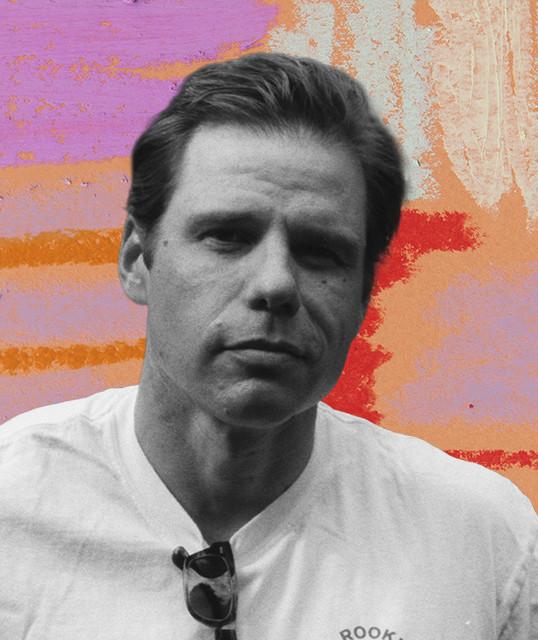
Amos Lee

R&B
Soul
Mainstream Pop
 Viberate Rank: 17337
 Viberate Rank: 17337
 Monthly ListenersFollowers
 Subscribers
 Followers
 Followers
 FansTop Spotify Songs
| Track | 7-Day Streams | |
|---|---|---|
1 | 279.76K | |
2 | 161.74K | |
3 | 156.26K | |
4 | 105.81K | |
5 | 60.47K |
Top YouTube VideosMonthly ListenersFeatured in Playlists| Playlist | Followers | |
|---|---|---|
1 |  Acoustic Hits: Oldies but Goodies Spotify | 3.84M |
2 |  Relax & Unwind Spotify | 3.46M |
3 |  Totally Stress Free Spotify | 2.11M |
4 |  In the Arms of a Woman Spotify | 830.58K |
5 |  Country Coffeehouse Spotify | 731.69K |
Audience| City | Monthly Listeners | |
|---|---|---|
1 | | 19.05K |
2 | | 18.32K |
3 |  | 18.24K |
4 | | 16.87K |
5 | | 14.94K |
See full performance history, audience data, playlist activity, rankings, comparisons, and more in Viberate music analytics. Start with a free trial, then continue with a paid plan.
Amos Lee’s Spotify BioPhiladelphia-born singer-songwriter Amos Lee released his gold-selling self-titled first album in 2005 and has been known for his association with a long list of collaborators and touring partners, from Paul Simon and Bob Dylan to Zac Brown Band and Willie Nelson. The force behind such acclaimed albums as Mission Bell and Mountains of Sorrow, Rivers of Song, Lee’s recent years have been wildly productive. After 2022’s Dreamland album (which featured “Worry No More,” a Top 10 AAA hit and his biggest single in over a decade), he followed up with two full-length projects paying homage to musical heroes — My Ideal: A Tribute to “Chet Baker Sings” and Honeysuckle Switches: The Songs of Lucinda Williams.
Lee’s soon-to-be-released 11th studio album, Transmissions, continues to expand his sonic range while sharpening his closely observed lyrics that squarely address death, aging, and love. For the new record — his first release of original music on his own label, Hoagiemouth Records —Lee… returned to an old-school style of recording, working with his longtime band in a studio in upstate New York. Playing live on the floor for long hours, they were able to capture the album’s 12 songs in less than a week.
Viberate is a music analytics platform built for A&Rs, artist managers, labels, booking agents, marketers, and artists.
It helps music professionals track artist growth, analyze audience data, monitor playlist activity, compare artists, follow song performance, and identify opportunities across the music market.
Public artist pages provide a free preview of selected artist data. Paid plans provide access to deeper analytics, historical data, charts, comparisons, playlist tools, exports, alerts, reports, and additional professional features.
Yes. Public Viberate artist pages provide selected artist analytics and music data for free.
Viberate also offers a 7-day free trial of the full platform. A credit card is required to start the trial. The trial includes access to the complete product so users can test deeper artist analytics, historical views, playlist insights, comparisons, charts, exports, alerts, and reporting features before choosing a paid plan.
Viberate provides artist analytics across streaming, playlists, social media, video, radio airplay, songs, and audience markets.
Users can analyze Spotify performance, Spotify and Apple Music playlists, YouTube activity, TikTok and Instagram growth, radio spins, song performance, audience locations, demographics, rankings, and overall artist momentum.
Artist profiles also connect to music charts, similar artists, and comparison tools, helping users benchmark performance and evaluate artists in context.
Viberate updates key artist and track data daily.
For followed artists and tracks, selected data is refreshed multiple times per day. This helps teams monitor playlist changes, streaming movement, audience growth, releases, and campaign performance with more current data.
Update frequency can vary depending on the metric and data source.
Yes. Viberate lets users compare up to five artists side by side across streaming, social media, audience, and engagement metrics.
Users can compare fanbase growth, audience demographics, locations, Spotify performance, social metrics, and other artist data over selected time periods.
Artist comparison can be used for A&R scouting, benchmarking, booking decisions, campaign planning, and evaluating artists with similar audiences or market positions.