The New Basement Tapes

Rock
Folk Rock
 Viberate Rank: 29454
 Viberate Rank: 29454
 Monthly ListenersFollowers
 Subscribers
 Followers
 Followers
 FansTop Spotify Songs
| Track | 7-Day Streams | |
|---|---|---|
1 | 343.69K | |
2 | 332.81K | |
3 | 29.41K | |
4 | 17.24K | |
5 | 12.38K |
Top YouTube Videos| Video | 7-Day Views | |
|---|---|---|
1 | 9.48K | |
2 | 736 | |
3 | 519 | |
4 | 375 | |
5 | 312 |
Monthly ListenersFeatured in Playlists| Playlist | Followers | |
|---|---|---|
1 |  Stay in Bed Spotify | 741.53K |
2 |  Roots Revival Spotify | 599.89K |
3 |  Lucifer Original Soundtrack (All Seasons: 1, 2, 3, 4, 5/5B, 6) KULTPOP! | 291.52K |
4 |  sautéing and slow dancing Fuegostine | 252.86K |
5 |  Bob Dylan: Covered Spotify | 135.97K |
Audience| City | Monthly Listeners | |
|---|---|---|
1 | | 24.27K |
2 | | 22.15K |
3 | | 20.37K |
4 |  | 16.20K |
5 | | 15.80K |
See full performance history, audience data, playlist activity, rankings, comparisons, and more in Viberate music analytics. Start with a free trial, then continue with a paid plan.
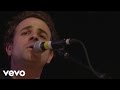
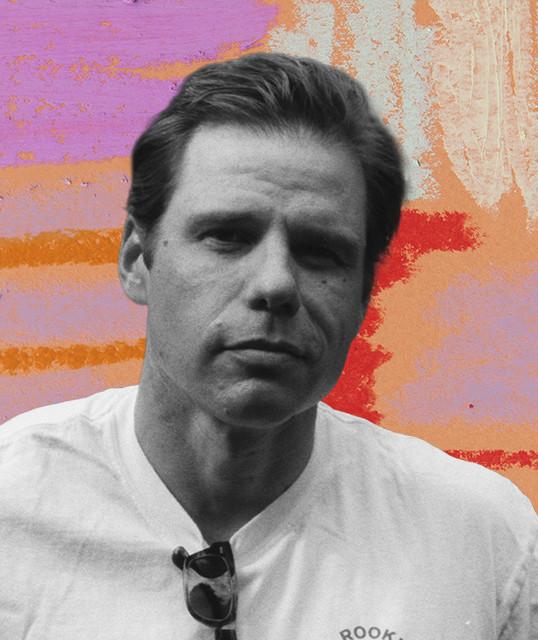
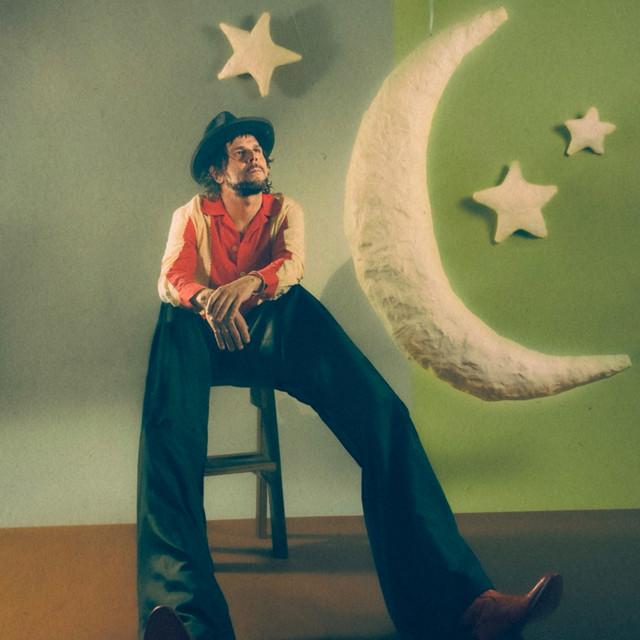
The New Basement Tapes’ Spotify BioThe New Basement Tapes is the name given to the studio collective assembled by T-Bone Burnett to set discarded and discovered Bob Dylan lyrics from 1967 to music and record. Upon their discovery in the fall of 2013, Dylan's publisher approached Burnett with the job of turning the handwritten manuscripts into songs, and he set about assembling a cast of sympathetic souls to put the words to music. He hired his Coward Brothers partner Elvis Costello, Marcus Mumford of Mumford & Sons, Jim James of My Morning Jacket, Taylor Goldsmith of Dawes, and Rhiannon Giddens of the Carolina Chocolate Drops to write and perform the material (drummer Jay Bellerose anchored the proceedings), which was cut during the early months of 2014. The resulting Lost on the River appeared in November of 2014, accompanied by a Showtime documentary called Lost Songs: The Basement Tapes Continued, which told the tale of the project. ~ Stephen Thomas Erlewine, Rovi
Viberate is a music analytics platform built for A&Rs, artist managers, labels, booking agents, marketers, and artists.
It helps music professionals track artist growth, analyze audience data, monitor playlist activity, compare artists, follow song performance, and identify opportunities across the music market.
Public artist pages provide a free preview of selected artist data. Paid plans provide access to deeper analytics, historical data, charts, comparisons, playlist tools, exports, alerts, reports, and additional professional features.
Yes. Public Viberate artist pages provide selected artist analytics and music data for free.
Viberate also offers a 7-day free trial of the full platform. A credit card is required to start the trial. The trial includes access to the complete product so users can test deeper artist analytics, historical views, playlist insights, comparisons, charts, exports, alerts, and reporting features before choosing a paid plan.
Viberate provides artist analytics across streaming, playlists, social media, video, radio airplay, songs, and audience markets.
Users can analyze Spotify performance, Spotify and Apple Music playlists, YouTube activity, TikTok and Instagram growth, radio spins, song performance, audience locations, demographics, rankings, and overall artist momentum.
Artist profiles also connect to music charts, similar artists, and comparison tools, helping users benchmark performance and evaluate artists in context.
Viberate updates key artist and track data daily.
For followed artists and tracks, selected data is refreshed multiple times per day. This helps teams monitor playlist changes, streaming movement, audience growth, releases, and campaign performance with more current data.
Update frequency can vary depending on the metric and data source.
Yes. Viberate lets users compare up to five artists side by side across streaming, social media, audience, and engagement metrics.
Users can compare fanbase growth, audience demographics, locations, Spotify performance, social metrics, and other artist data over selected time periods.
Artist comparison can be used for A&R scouting, benchmarking, booking decisions, campaign planning, and evaluating artists with similar audiences or market positions.