Ranking Roger

Reggae
Ska
 Viberate Rank: 240721
 Viberate Rank: 240721
 Monthly ListenersFollowers
 Subscribers
 Followers
 Followers
 FansTop Spotify Songs
| Track | 7-Day Streams | |
|---|---|---|
1 | 2.12K | |
2 | 1.55K | |
3 | 349 | |
4 | 322 | |
5 | 310 |
Top YouTube VideosMonthly ListenersFeatured in Playlists| Playlist | Followers | |
|---|---|---|
1 |  This Is Smash Mouth Spotify | 29.20K |
2 | Derry Girls - The Complete Soundtrack Bertrand Bauche | 20.67K |
3 |  Charmed: the Complete Soundtrack Owen hawkes | 18.63K |
4 |  This Is The Beat Spotify | 8.94K |
5 |  Charmed Soundtrack Nic | 6.27K |
Audience| City | Monthly Listeners | |
|---|---|---|
1 | | 130 |
2 |  | 52 |
3 | | 50 |
4 |  | 48 |
5 | | 46 |
See full performance history, audience data, playlist activity, rankings, comparisons, and more in Viberate music analytics. Start with a free trial, then continue with a paid plan.
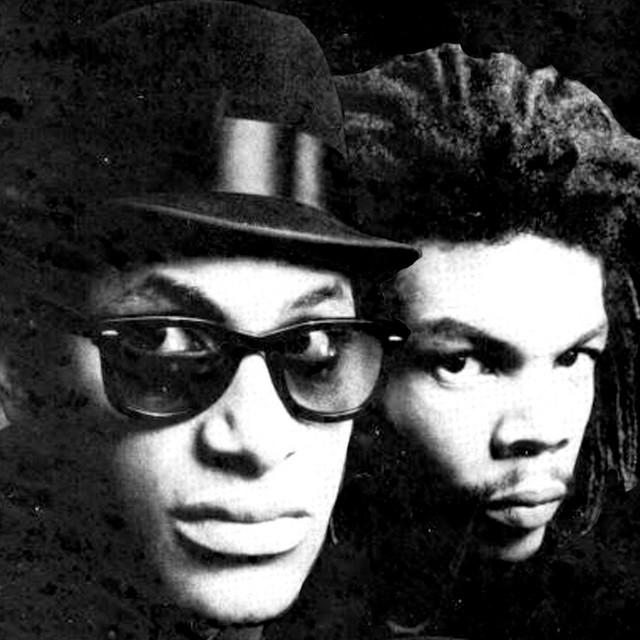
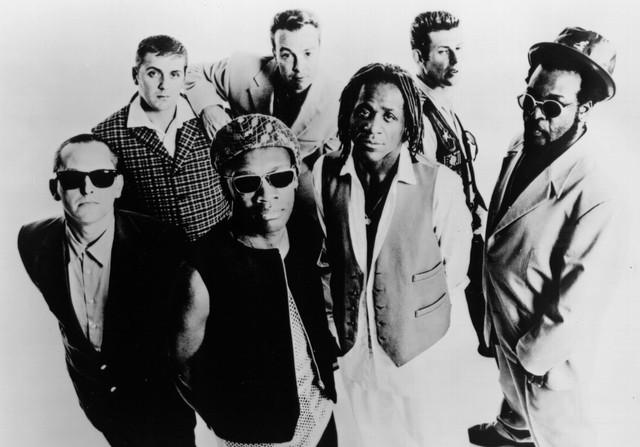
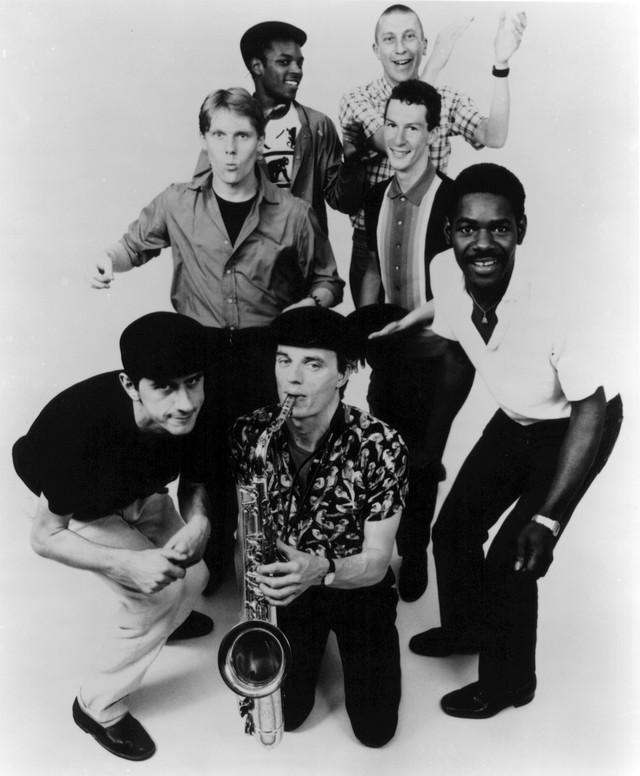
Ranking Roger’s Spotify BioBest-known as the singer/toaster and co-frontman of the English Beat and General Public, Ranking Roger was born Roger Charlery in Birmingham, England, on February 21, 1961, and became a punk rock fan as a teenager. He joined ska revival pioneers the English Beat in 1978, where he teamed with singer Dave Wakeling to give the group a unique one-two punch out front. After three albums (including the brilliant I Just Can't Stop It), Wakeling and Roger departed in 1983 to form the more pop- and soul-tinged General Public, which also included members of the Specials and Dexy's Midnight Runners. General Public recorded two albums (1984's All the Rage and 1986's Hand to Mouth) before going their separate ways. Roger soon returned to his reggae roots, working with Pato Banton (who had made his debut on the English Beat's last album) and releasing his reggae-oriented solo debut, Radical Departure, on IRS. In the early '90s, Roger assembled Special Beat, which gathered personnel from the English… Beat and the Specials, and found success touring the U.K. and Japan and performing tunes from both groups' repertoires. In 1994, Roger and Wakeling reunited General Public and scored a hit with a cover of the Staple Singers' "I'll Take You There" from the film Threesome; after the album Rub It Better appeared in 1995, though, the group called it quits again. Roger subsequently toured with Big Audio Dynamite and recorded with Sting, Death in Vegas, and Pato Banton again. He also appeared on the debut solo album by Radical Departure drummer Fuzz Townshend, who'd gone on to work with Pop Will Eat Itself and Bentley Rhythm Ace. In 2001, Roger released another solo album on Paras, titled Inside My Head; some of the record was traditional reggae and ska, but other tracks showed that Roger had been keeping abreast of electronica, specifically the reggae connection of jungle and the influence of dub. ~ Steve Huey, Rovi
Viberate is a music analytics platform built for A&Rs, artist managers, labels, booking agents, marketers, and artists.
It helps music professionals track artist growth, analyze audience data, monitor playlist activity, compare artists, follow song performance, and identify opportunities across the music market.
Public artist pages provide a free preview of selected artist data. Paid plans provide access to deeper analytics, historical data, charts, comparisons, playlist tools, exports, alerts, reports, and additional professional features.
Yes. Public Viberate artist pages provide selected artist analytics and music data for free.
Viberate also offers a 7-day free trial of the full platform. A credit card is required to start the trial. The trial includes access to the complete product so users can test deeper artist analytics, historical views, playlist insights, comparisons, charts, exports, alerts, and reporting features before choosing a paid plan.
Viberate provides artist analytics across streaming, playlists, social media, video, radio airplay, songs, and audience markets.
Users can analyze Spotify performance, Spotify and Apple Music playlists, YouTube activity, TikTok and Instagram growth, radio spins, song performance, audience locations, demographics, rankings, and overall artist momentum.
Artist profiles also connect to music charts, similar artists, and comparison tools, helping users benchmark performance and evaluate artists in context.
Viberate updates key artist and track data daily.
For followed artists and tracks, selected data is refreshed multiple times per day. This helps teams monitor playlist changes, streaming movement, audience growth, releases, and campaign performance with more current data.
Update frequency can vary depending on the metric and data source.
Yes. Viberate lets users compare up to five artists side by side across streaming, social media, audience, and engagement metrics.
Users can compare fanbase growth, audience demographics, locations, Spotify performance, social metrics, and other artist data over selected time periods.
Artist comparison can be used for A&R scouting, benchmarking, booking decisions, campaign planning, and evaluating artists with similar audiences or market positions.