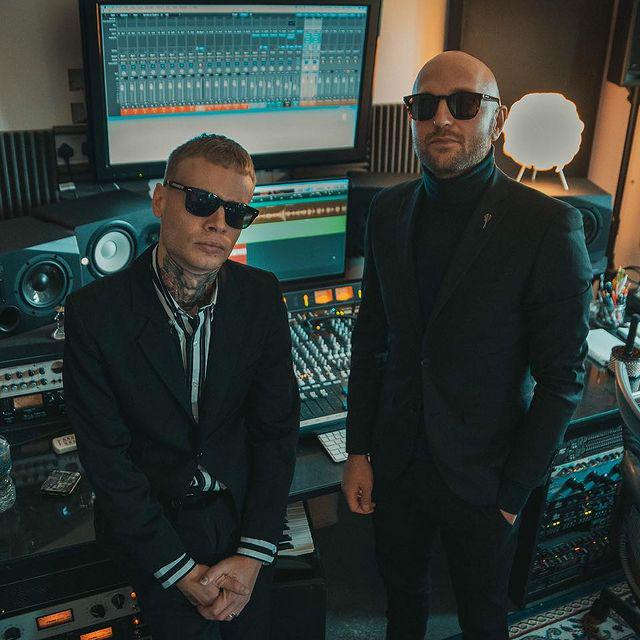
Rhoda Dakar

Reggae
Ska
 Viberate Rank: 174168
 Viberate Rank: 174168
 Monthly ListenersFollowers
 Subscribers
 Followers
 Followers
 FansTop Spotify Songs
| Track | 7-Day Streams | |
|---|---|---|
1 | 6.42K | |
2 | 955 | |
3 | 840 | |
4 | 273 | |
5 | 165 |
Top YouTube VideosMonthly ListenersFeatured in Playlists| Playlist | Followers | |
|---|---|---|
1 |  Best of SKA Death of Guitar Pop | 57.24K |
2 |  This Is The Interrupters Spotify | 28.17K |
3 |  The Interrupters Complete Playlist The Interrupters | 26.86K |
4 |  El Sótano de Radio 3 Groovyfamily | 9.84K |
5 | ska music 21bu2wjwkg63de6pur55tpvqq | 9.64K |
Audience| City | Monthly Listeners | |
|---|---|---|
1 | | 283 |
2 | | 121 |
3 |  | 83 |
4 | | 80 |
5 |  | 80 |
See full performance history, audience data, playlist activity, rankings, comparisons, and more in Viberate music analytics. Start with a free trial, then continue with a paid plan.
Rhoda Dakar’s Spotify BioVocalist Rhoda Dakar is a figure of importance on the British ska scene, whose rich voice and cool, dramatic phrasing has earned her a loyal following in a career that's spanned five decades. Dakar first rose to fame as a member of the Bodysnatchers, an all-female group who were part of the 2-Tone roster in the 1980s, and she sang lead on the Special A.K.A.'s harrowing 1982 single "The Boiler." Dakar kept a low profile from the mid-1980s onward, primarily working behind the scenes; that changed in 2007 when she issued her first solo album, Cleaning In Another Woman's Kitchen, and she reaffirmed her status as one of the leading women in ska with 2014's Rhoda Dakar Sings the Bodysnatchers and 2023's Version Girl.
Born in Hampstead, London, England in 1959, Rhoda Dakar grew up with a wide variety of musical influences – she was a fan of Alice Cooper and the New York Dolls in her teens, and also had a taste for classic reggae acts such as Toots & the Maytals, before she embraced the punk… rock movement. Near the close of the 1970s, as the 2-Tone fueled ska revival swept England, Dakar was the co-founder and lead vocalist with the Bodysnatchers, a seven-piece all-female ska ensemble. Jerry Dammers of the Specials championed the group and signed them to 2-Tone; their debut single, a cover of Dandy Livingstone's "Let's Do The Rocksteady," became a hit, rising to Number 22 on the U.K. singles charts, and the band toured frequently, often playing bills with the Specials and their fellow 2-Tone labelmates. Months later, they brought out a second 45, "Easy Life," and one of their concerts was filmed for the music documentary Dance Craze; their performances of "Easy Life," "Let's Do The Rocksteady," and "007 (Shanty Town)" made the final cut alongside footage the Specials, Madness, the English Beat, the Selecter, and Bad Manners. However, by the time the film was released, the Bodysnatchers had broken up; Dakar opted to strike out on her own, while several of her former bandmates enjoyed success as the Belle Stars.
In addition to recording with the Bodysnatchers, Dakar made a guest appearance on the Specials' second LP, 1980's More Specials, dueting with Terry Hall on the track "I Can't Stand It." After the breakup of the Specials, Jerry Dammers formed the offshoot group the Special A.K.A.,and in 1981 they released a single, "The Boiler," with Dakar on lead vocals. Originally written by Dakar during her time in the Bodysnatchers, the song was a dark and unsettling story of a plain woman brutalized by her date, and the vivid power of Dakar's vocal earned it praise from critics while making it too strong for many listeners. Dammers also recruited Dakar to sing on the Special A.K.A.'s 1984 album In The Studio. After the album's release, Dakar largely stepped away from the music business, though she made occasional appearances on albums by Dr. Robert, better known as Robert Howard of the Blow Monkeys (1996's Realms of Gold), former Specials vocalist Terry Hall (1997's Laugh), and shape-shifting dance act Apollo 440 (1999's Gettin' High On Your Own Supply).
In 2006, Dakar re-emerged with the release of her first solo album, Cleaning In Another Woman's Kitchen, which featured original songs written by Dakar with Nick Welsh, who had previously worked with the Selecter and Bad Manners. Two years later, Dakar and Welch teamed up again for Back to the Garage, a set of rock-oriented tunes. 2015's Sings the Bodysnatchers found Dakar turning to the repertoire of her first band, recording ten songs from their heyday; the backing band included Lynval Golding of the Specials and Horace Panter of Madness. For 2023's Version Girl, Dakar offered her interpretations of a set of classic rock and pop tunes, including "Stop Your Sobbing," "The Man Who Sold The World," and "As Tears Go By." In addition to touring with her band, Dakar also frequently does DJ sets and is a respected political activist. ~ Mark Deming, Rovi
Viberate is a music analytics platform built for A&Rs, artist managers, labels, booking agents, marketers, and artists.
It helps music professionals track artist growth, analyze audience data, monitor playlist activity, compare artists, follow song performance, and identify opportunities across the music market.
Public artist pages provide a free preview of selected artist data. Paid plans provide access to deeper analytics, historical data, charts, comparisons, playlist tools, exports, alerts, reports, and additional professional features.
Yes. Public Viberate artist pages provide selected artist analytics and music data for free.
Viberate also offers a 7-day free trial of the full platform. A credit card is required to start the trial. The trial includes access to the complete product so users can test deeper artist analytics, historical views, playlist insights, comparisons, charts, exports, alerts, and reporting features before choosing a paid plan.
Viberate provides artist analytics across streaming, playlists, social media, video, radio airplay, songs, and audience markets.
Users can analyze Spotify performance, Spotify and Apple Music playlists, YouTube activity, TikTok and Instagram growth, radio spins, song performance, audience locations, demographics, rankings, and overall artist momentum.
Artist profiles also connect to music charts, similar artists, and comparison tools, helping users benchmark performance and evaluate artists in context.
Viberate updates key artist and track data daily.
For followed artists and tracks, selected data is refreshed multiple times per day. This helps teams monitor playlist changes, streaming movement, audience growth, releases, and campaign performance with more current data.
Update frequency can vary depending on the metric and data source.
Yes. Viberate lets users compare up to five artists side by side across streaming, social media, audience, and engagement metrics.
Users can compare fanbase growth, audience demographics, locations, Spotify performance, social metrics, and other artist data over selected time periods.
Artist comparison can be used for A&R scouting, benchmarking, booking decisions, campaign planning, and evaluating artists with similar audiences or market positions.