Neville Staple

Reggae
Ska
 Viberate Rank: 147063
 Viberate Rank: 147063
 Monthly ListenersFollowers
 Subscribers
 Followers
 Followers
 FansTop Spotify Songs
| Track | 7-Day Streams | |
|---|---|---|
1 | 8.50K | |
2 | 4.48K | |
3 | 777 | |
4 | 354 | |
5 | 206 |
Top YouTube VideosMonthly ListenersFeatured in Playlists| Playlist | Followers | |
|---|---|---|
1 |  80-tals Hits ✨ 80-talets bästa låtar Filtr Sweden | 57.98K |
2 |  Best of SKA Death of Guitar Pop | 57.24K |
3 |  This Is The Specials Spotify | 51.08K |
4 |  Die Toten Hosen - Complete Die Toten Hosen | 37.00K |
5 |  Ska Punk Essentials Kousa_cs | 33.49K |
Audience| City | Monthly Listeners | |
|---|---|---|
1 |  | 608 |
2 | | 472 |
3 | | 469 |
4 | | 457 |
5 | | 362 |
See full performance history, audience data, playlist activity, rankings, comparisons, and more in Viberate music analytics. Start with a free trial, then continue with a paid plan.
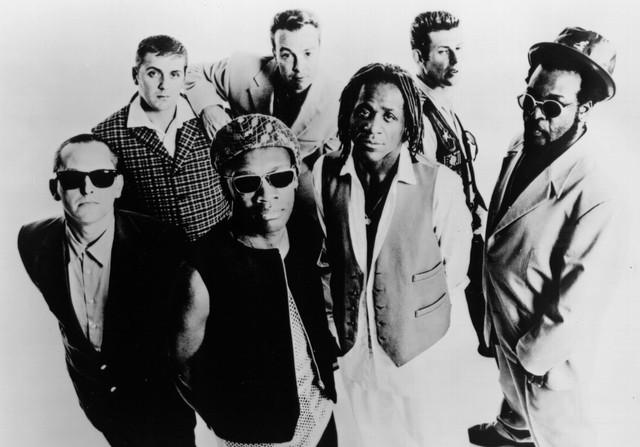
Neville Staple’s Spotify BioAs a member of the Specials, Neville Staple helped launch the U.K. ska revival of the '80s, and went on to a long career as a vocalist and toaster, making an impression on both the ska and rock communities. The rough, forceful qualities of Staple's voice ensured he wasn't a lead singer in many of his bands, but his strong personality and charisma made him a valuable presence in all of his projects, and his toasting was always potent and rootsy. Outside of his work with the Specials and Fun Boy Three, Staple is best heard on his 2004 solo effort The Rude Boy Returns and 2017's Return of Judge Roughneck.
Staple was born in Christiana, Manchester, Jamaica on April 11, 1955. His family left for England when he was five, first moving to Rugby, Warwickshire before settling in Coventry. Staple became part of the local sound system scene, and led a crew known as Jah Baddis. He was also a frequent presence at Coventry's Locarno Ballroom, where he struck up a friendship with Peter Waterman, then… the resident DJ and later part of the hit-making production team of Stock-Aitkin-Waterman. In 1978, Staple became a roadie for a band called the Coventry Automatics, with Waterman briefly serving as manager. The group would soon change their name to the Specials, and Staple graduated from hauling gear to becoming a full member of the band, contributing backing vocals, toasting, and keeping the stage show lively with his dancing.
After releasing their debut single in 1979 on their own 2-Tone label, the Specials became a major success in the U.K., and kickstarted a massive international revival of ska, the pre-reggae Jamaican dance music that had flourished in the '60s. Despite their success, the Specials burned out quickly, and in 1981 Staple joined fellow former Specials Terry Hall and Lynval Golding in Fun Boy Three, a vocal group that specialized in a more easygoing, minimal sound. The group's self-titled debut album featured four tunes that would become Top 20 singles in the U.K., and their second, 1983's Waiting, featured two more, but within a year of the release of their sophomore LP, Fun Boy Three broke up. In 1990, Staple teamed with Ranking Roger, formerly of the Beat (aka the English Beat), to form a group called Special Beat, who were a popular touring attraction in the U.K. and the United States. In 1994, Staple took part in a Specials reunion that featured several other members of the original lineup, though not founder Jerry Dammers and lead vocalist Terry Hall. The band toured extensively, and released several new albums, including 1995's King of Kings (a collaboration with Desmond Dekker) and 1996's Today's Specials, before folding in 2001. Staple was also invited to contribute guest vocals on the Soup Dragons' 1995 album Hydrophonic.
In 2000, Staple re-recorded a set of his best-known songs for Ghost Town: 13 Hits of the Specials and Fun Boy Three. 2002 saw the release of Ska Au Go-Go, which was credited to Special Skank featuring Neville Staple, and two years later, he dropped another solo effort, The Rude Boy Returns, which featured guest appearances from Mick Jones of the Clash and Rat Scabies of the Damned. In 2009, the Specials reunited for a tour that included the full original lineup except for Dammers; the tour was rapturously received by fans and the British music press, and several more road trips followed, including dates in the Europe, Japan, and the United States. In 2012, Staple left the reunion, citing health problems and a lack of camaraderie among his bandmates. He struck out on his own with a solo project, the Neville Staple Band, and released an album, Ska Crazy, in 2014. In 2017, Staple emerged with a new album, The Return of Judge Roughneck, which featured new material along with covers of Jamaican ska and reggae classics; the album included a bonus disc of dub mixes of the LP's tracks. The following year, Staple and his wife Sugary joined forces to record Rude Rebels, which featured Neville's former Specials bandmate Roddy Radiation on guitar. Cleopatra Records reissued Special Skank's 2002 Ska Au Go Go in 2021 as a Neville Staple album, adding new artwork. ~ Mark Deming, Rovi
Viberate is a music analytics platform built for A&Rs, artist managers, labels, booking agents, marketers, and artists.
It helps music professionals track artist growth, analyze audience data, monitor playlist activity, compare artists, follow song performance, and identify opportunities across the music market.
Public artist pages provide a free preview of selected artist data. Paid plans provide access to deeper analytics, historical data, charts, comparisons, playlist tools, exports, alerts, reports, and additional professional features.
Yes. Public Viberate artist pages provide selected artist analytics and music data for free.
Viberate also offers a 7-day free trial of the full platform. A credit card is required to start the trial. The trial includes access to the complete product so users can test deeper artist analytics, historical views, playlist insights, comparisons, charts, exports, alerts, and reporting features before choosing a paid plan.
Viberate provides artist analytics across streaming, playlists, social media, video, radio airplay, songs, and audience markets.
Users can analyze Spotify performance, Spotify and Apple Music playlists, YouTube activity, TikTok and Instagram growth, radio spins, song performance, audience locations, demographics, rankings, and overall artist momentum.
Artist profiles also connect to music charts, similar artists, and comparison tools, helping users benchmark performance and evaluate artists in context.
Viberate updates key artist and track data daily.
For followed artists and tracks, selected data is refreshed multiple times per day. This helps teams monitor playlist changes, streaming movement, audience growth, releases, and campaign performance with more current data.
Update frequency can vary depending on the metric and data source.
Yes. Viberate lets users compare up to five artists side by side across streaming, social media, audience, and engagement metrics.
Users can compare fanbase growth, audience demographics, locations, Spotify performance, social metrics, and other artist data over selected time periods.
Artist comparison can be used for A&R scouting, benchmarking, booking decisions, campaign planning, and evaluating artists with similar audiences or market positions.