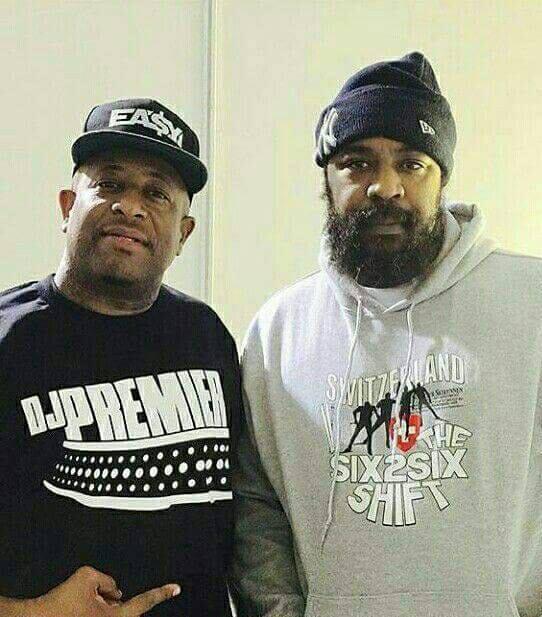
Rampage

Hip Hop
Alternative Hip Hop
Contemporary Hip Hop
 Viberate Rank: 73108
 Viberate Rank: 73108
 Monthly ListenersFollowers
 Subscribers
 Followers
 Followers
 FansTop Spotify SongsTop YouTube Videos
| Video | 7-Day Views | |
|---|---|---|
1 | 787 | |
2 | 648 | |
3 | 608 | |
4 | 369 | |
5 | 363 |
Monthly ListenersFeatured in Playlists| Playlist | Followers | |
|---|---|---|
1 |  I Love My East Coast Classics Spotify | 450.66K |
2 |  This Is The Notorious B.I.G. Spotify | 443.65K |
3 |  Best 90s rap songs💸 Elsaa | 422.49K |
4 |  Hip-Hop Classics Party Spotify | 312.21K |
5 | 90s Hip Hop Party Ridgway | 311.99K |
Audience| City | Monthly Listeners | |
|---|---|---|
1 |  | 5.38K |
2 |  | 2.34K |
3 |  | 758 |
4 | | 623 |
5 |  | 517 |
See full performance history, audience data, playlist activity, rankings, comparisons, and more in Viberate music analytics. Start with a free trial, then continue with a paid plan.
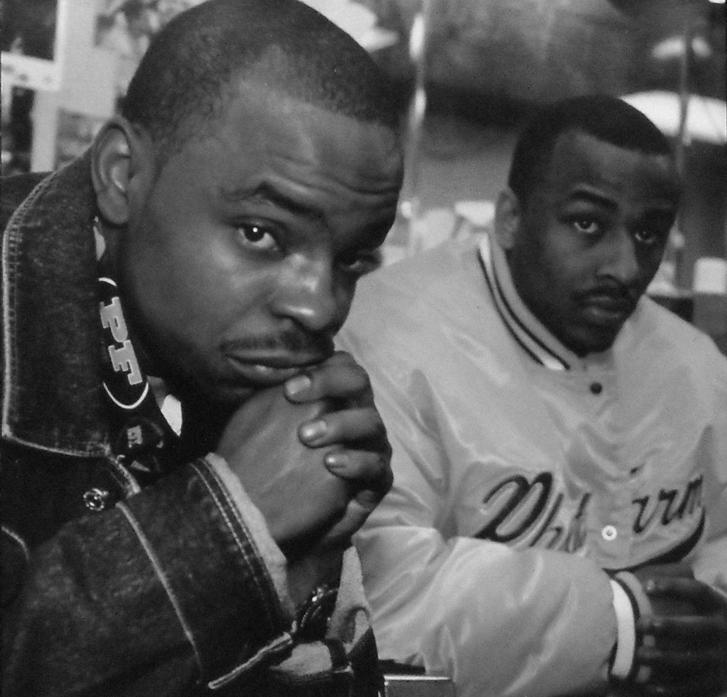
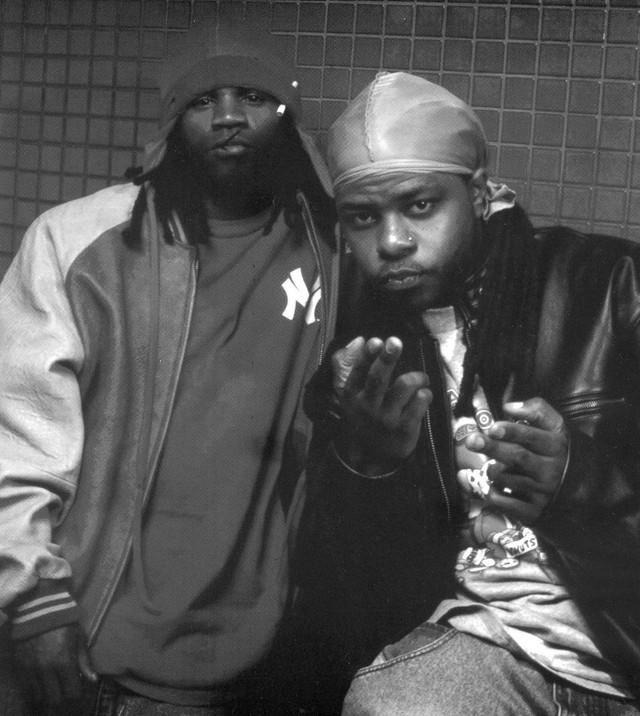
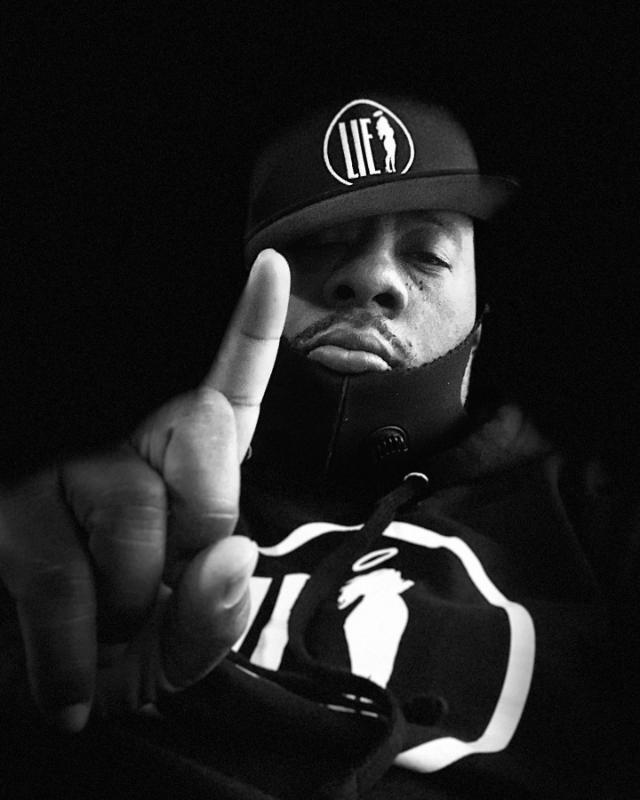
Rampage’s Spotify BioA childhood friend of Busta Rhymes while the two were growing up in Brooklyn, Rampage again hooked up with his old pal in the Flipmode Squad, the loose collective of rappers (also including Spliff Star, Lord Have Mercy, Rah Digga, and Serious) centered around Busta Rhymes for his first solo album, 1996's The Coming. When the album proved a hit, Rampage earned his own solo deal the following year. The two had begun playing music together while listening to Rampage's musician-father, and though Busta later moved out to Long Island and formed Leaders of the New School, the pair remained friends. Rampage gained his own record deal with Rowdy Records in 1994, releasing his debut album, Ramp Sack, but later leaving the label for their lack of hip-hop how-to. Later that year, both Rampage and Busta Rhymes contributed to the legendary 1994 remix of Craig Mack's "Flava in Ya Ear" (which broke the Notorious B.I.G. and re-launched LL Cool J), also appearing together on four tracks from Busta's… The Coming. After signing with Elektra/Asylum, Rampage released Scouts Honor...By Way of Blood, in July 1997, with several tracks including the Flipmode Squad. ~ John Bush, Rovi
Viberate is a music analytics platform built for A&Rs, artist managers, labels, booking agents, marketers, and artists.
It helps music professionals track artist growth, analyze audience data, monitor playlist activity, compare artists, follow song performance, and identify opportunities across the music market.
Public artist pages provide a free preview of selected artist data. Paid plans provide access to deeper analytics, historical data, charts, comparisons, playlist tools, exports, alerts, reports, and additional professional features.
Yes. Public Viberate artist pages provide selected artist analytics and music data for free.
Viberate also offers a 7-day free trial of the full platform. A credit card is required to start the trial. The trial includes access to the complete product so users can test deeper artist analytics, historical views, playlist insights, comparisons, charts, exports, alerts, and reporting features before choosing a paid plan.
Viberate provides artist analytics across streaming, playlists, social media, video, radio airplay, songs, and audience markets.
Users can analyze Spotify performance, Spotify and Apple Music playlists, YouTube activity, TikTok and Instagram growth, radio spins, song performance, audience locations, demographics, rankings, and overall artist momentum.
Artist profiles also connect to music charts, similar artists, and comparison tools, helping users benchmark performance and evaluate artists in context.
Viberate updates key artist and track data daily.
For followed artists and tracks, selected data is refreshed multiple times per day. This helps teams monitor playlist changes, streaming movement, audience growth, releases, and campaign performance with more current data.
Update frequency can vary depending on the metric and data source.
Yes. Viberate lets users compare up to five artists side by side across streaming, social media, audience, and engagement metrics.
Users can compare fanbase growth, audience demographics, locations, Spotify performance, social metrics, and other artist data over selected time periods.
Artist comparison can be used for A&R scouting, benchmarking, booking decisions, campaign planning, and evaluating artists with similar audiences or market positions.