Nine

Hip Hop
Contemporary Hip Hop
 Viberate Rank: 117946
 Viberate Rank: 117946
 Monthly ListenersFollowers
 Subscribers
 Followers
 Followers
 FansTop Spotify Songs
| Track | 7-Day Streams | |
|---|---|---|
1 | 13.02K | |
2 | 9.68K | |
3 | 6.04K | |
4 | 6.04K | |
5 | 5.24K |
Top YouTube Videos| Video | 7-Day Views | |
|---|---|---|
1 | 163 | |
2 | 42 | |
3 | 14 | |
4 | 9 | |
5 | 2 |
Monthly ListenersFeatured in Playlists| Playlist | Followers | |
|---|---|---|
1 | Hip Hop I Grew Up On Mike Shinoda | 73.44K |
2 |  Boom Bap Classics Ville Kyyny | 60.44K |
3 |  90'S UNDERGROUND HIP-HOP Bryan Nuñez | 37.41K |
4 | Rare 90s underground rap dennissey | 31.27K |
5 | Rap Old School hugo_2k | 25.59K |
Audience| City | Monthly Listeners | |
|---|---|---|
1 |  | 1.90K |
2 |  | 1.30K |
3 |  | 947 |
4 | | 805 |
5 |  | 691 |
See full performance history, audience data, playlist activity, rankings, comparisons, and more in Viberate music analytics. Start with a free trial, then continue with a paid plan.
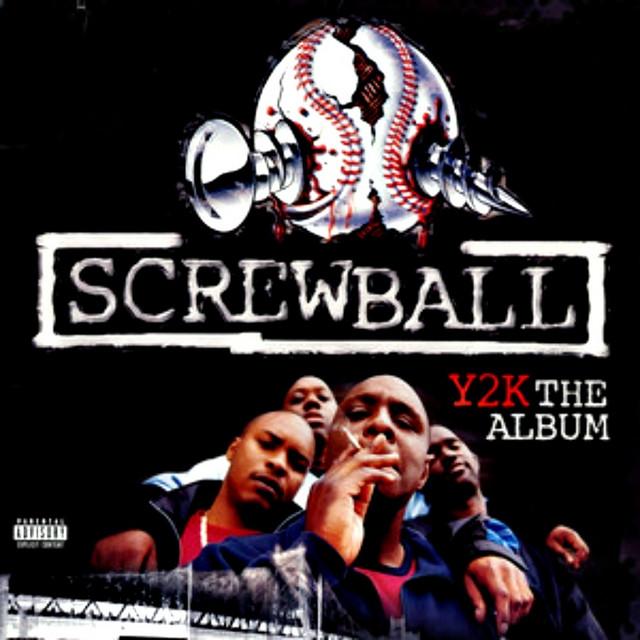
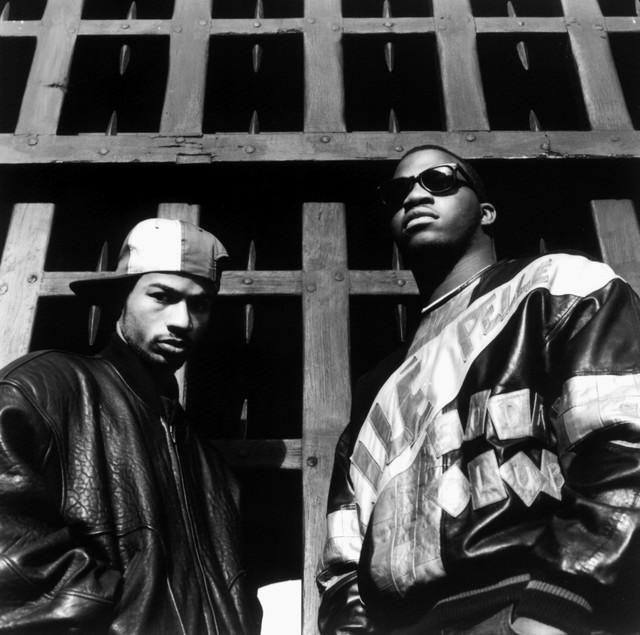
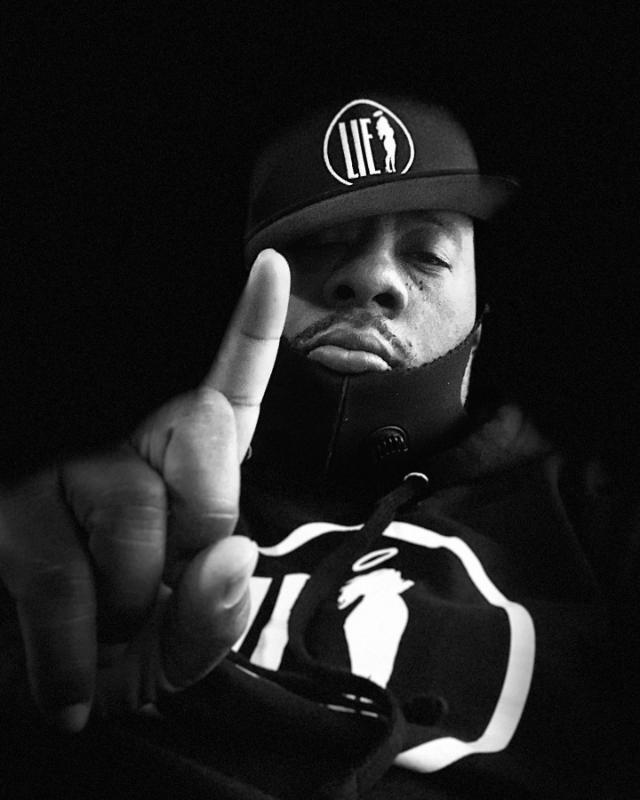
Nine’s Spotify BioThe portrait of a starving MC, Bronx-native Nine got his big break in late 1993 as a featured guest on Funkmaster Flex and the Ghetto Celebs' "Six Million Ways to Die." The verse showcased Nine's harsh, gravelly flow and the artist was signed a deal with the now-defunct Priority Records. Nine's debut album, Nine Livez, appeared in early 1995 on the strength of the up-tempo single "Whatchu Want." While the album did not make a big splash, it spawned a slew of underground hits including "Redrum," "Everybody Won Heaven," and "Any Emcee," which tastefully borrowed from the Spinners' "I'll Be Around." Nine's signature black lung vocal tone drew some comparisons to the over-the-top antics of Busta Rhymes. Nine followed up with Cloud Nine in 1996, then mostly fell off hip-hop radar screens when Priority closed up shop. During his hiatus, Nine popped up on the TV series NY Undercover landing a bit part as a thug. In late 2000, the Bronx MC hinted at a comeback, releasing the single "It's… Ugly.." ~ Michael Di Bella
Viberate is a music analytics platform built for A&Rs, artist managers, labels, booking agents, marketers, and artists.
It helps music professionals track artist growth, analyze audience data, monitor playlist activity, compare artists, follow song performance, and identify opportunities across the music market.
Public artist pages provide a free preview of selected artist data. Paid plans provide access to deeper analytics, historical data, charts, comparisons, playlist tools, exports, alerts, reports, and additional professional features.
Yes. Public Viberate artist pages provide selected artist analytics and music data for free.
Viberate also offers a 7-day free trial of the full platform. A credit card is required to start the trial. The trial includes access to the complete product so users can test deeper artist analytics, historical views, playlist insights, comparisons, charts, exports, alerts, and reporting features before choosing a paid plan.
Viberate provides artist analytics across streaming, playlists, social media, video, radio airplay, songs, and audience markets.
Users can analyze Spotify performance, Spotify and Apple Music playlists, YouTube activity, TikTok and Instagram growth, radio spins, song performance, audience locations, demographics, rankings, and overall artist momentum.
Artist profiles also connect to music charts, similar artists, and comparison tools, helping users benchmark performance and evaluate artists in context.
Viberate updates key artist and track data daily.
For followed artists and tracks, selected data is refreshed multiple times per day. This helps teams monitor playlist changes, streaming movement, audience growth, releases, and campaign performance with more current data.
Update frequency can vary depending on the metric and data source.
Yes. Viberate lets users compare up to five artists side by side across streaming, social media, audience, and engagement metrics.
Users can compare fanbase growth, audience demographics, locations, Spotify performance, social metrics, and other artist data over selected time periods.
Artist comparison can be used for A&R scouting, benchmarking, booking decisions, campaign planning, and evaluating artists with similar audiences or market positions.