Rainbow Ffolly

Rock
Psychedelic Rock
Indie Pop
 Viberate Rank: 306307
 Viberate Rank: 306307
 Monthly ListenersFollowers
 Subscribers
 Followers
 Followers
 FansTop Spotify Songs
| Track | 7-Day Streams | |
|---|---|---|
1 | 2.51K | |
2 | 225 | |
3 | 225 | |
4 | 151 | |
5 | 78 |
Top YouTube VideosMonthly ListenersFeatured in Playlists| Playlist | Followers | |
|---|---|---|
1 |  Psychedelic 60s 70s Marcos Vinícius de Oliveira | 16.94K |
2 |  Obscure 60s/70s Psychedelic Rock Jason LeValley | 15.24K |
3 |  Psychedelic Rock Aryna Livadari | 10.95K |
4 | 60s Psychedelic Trip andreas1965-71 | 8.21K |
5 | Psychedelic 60s Acid Rock & Heavy Psychadelia byggavdelningen | 5.51K |
Audience| City | Monthly Listeners | |
|---|---|---|
1 |  | 194 |
2 | | 118 |
3 | | 106 |
4 | | 90 |
5 | | 86 |
See full performance history, audience data, playlist activity, rankings, comparisons, and more in Viberate music analytics. Start with a free trial, then continue with a paid plan.
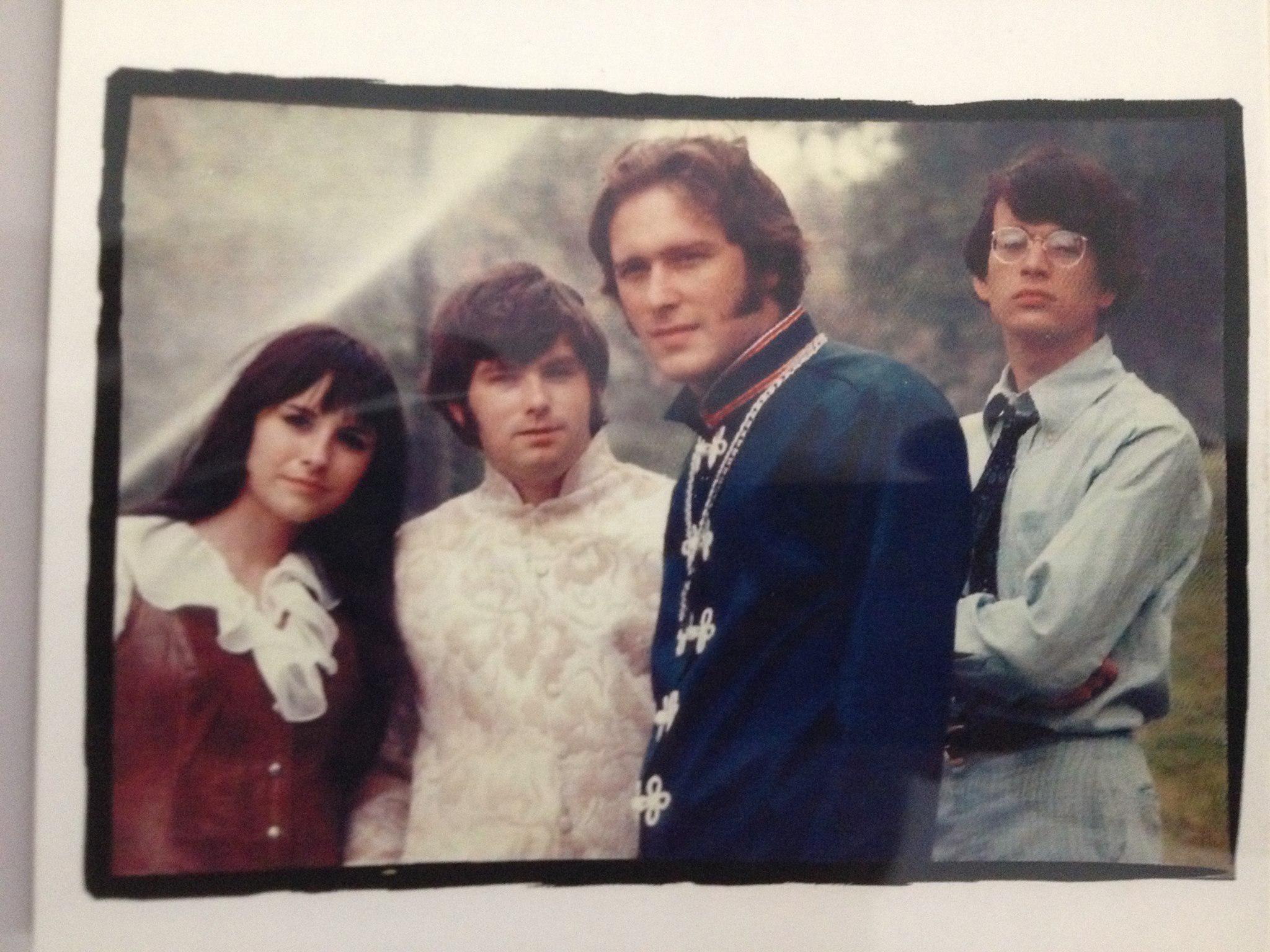
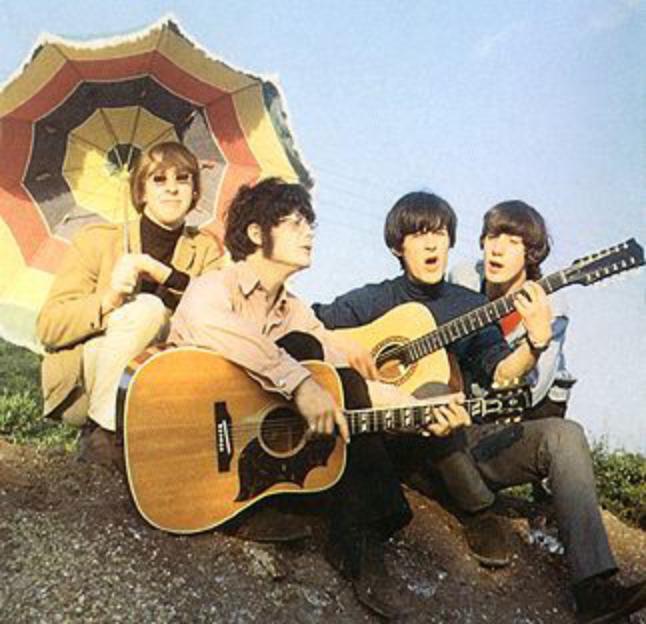
Rainbow Ffolly’s Spotify BioThe world of '60s psychedelia is filled with rediscoveries that might better have been left buried in the mists of time, except as artifacts -- it's possible to have shelves filled with the work of no-talent bands and of acts that weren't even psychedelic (what one wag at Bleecker Bob's in New York refers to as "lounge acts that dressed real cool"). Rainbow Ffolly wasn't one of those -- indeed, they're one of the bands and one of the records that is worth finding as a CD reissue (their original LP could run several hundred), and that goes double for anyone with a taste for British psychedelia.
Jonathan Dunsterville and his brother Richard Dunsterville of Farnham Common were inclined toward music and performing at an early age, and during the early '60s, formed a band called the Force Four, specializing in Everly Brothers-style harmony material. Jon was at college when he met Stewart Osborn, a drummer, who in turn knew a bassist named Roger Newell. Out of this a new group, the Rainbow… Ffolly, was formed; they had a light, fun touch, very much in the spirit of early 1967; a close, cohesive sound in which all four members sang, with Jon Dunsterville serving as songwriter. By early 1967, they acquired a manager, John Sparrowhawk, and decided to try for a recording contract. They booked time at the Jackson Recording Studio, owned by Malcolm and John Jackson, the sons of disc jockey Jack Jackson, and put a demo tape together.
Their first five songs were so accomplished that they were persuaded by the Jackson brothers to come up with seven more songs, all ostensibly for a full-length demo reel. The group didn't think as much of the seven additional numbers, but assembled a dozen tracks they were comfortable with as a sample of their basic sound. The Jackson brothers then took the tape to EMI, which was sufficiently impressed to ask for the rights to the tape exactly as delivered. Most fledgling acts would've been complimented, even thrilled at the idea that EMI's Parlophone Records was interested in the first piece of full-length recorded music they'd ever put on tape, but the Rainbow Ffolly were aghast. They'd hardly intended the music on that tape as a finished work, just a dozen songs that showed directions they might go in if given a chance, not a place where they'd settle with their music. The group cringed at the notion of some of the material that they'd come up with in the lighter moments of writing songs, a few based on the singalong numbers and children's songs, and some of the only partly thought-out arrangements. They might've stopped it, but given that most bands in England were scrambling around for the chance to record a single for anyone, and here was the biggest recording organization in England asking to release the Rainbow Ffolly's demo, they went along.
The Jackson brothers had gotten the group to put them in an order that made it sound coherent, with an introductory section that eerily matched (or perhaps anticipated) the Beatles' Magical Mystery Tour. The record compared favorably not only with the Beatles' work, but also with the Pretty Things' S.F. Sorrow album. With its melodic yet spare instrumentation and harmony vocals, the Rainbow Ffolly's album sounded like S.F. Sorrow, the way that record might have if the Pretty Things had roots closer to the Beatles than the Rolling Stones.
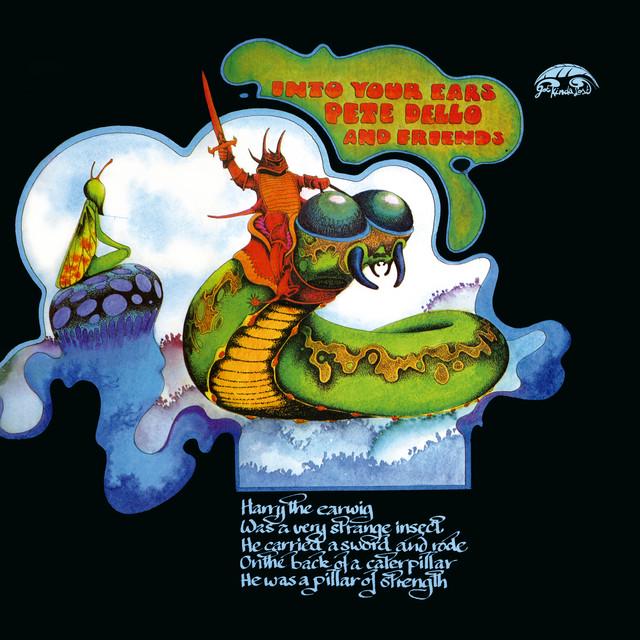
Jon Dunsterville and his wife Jane came up with the most ornate cover art (and some of the cleverest of the decade) that they could in keeping with the "rainbow" in the band's name, and Sallies Fforth (as it was christened) was released. It turned out not only not to be bad, but pretty good, although the group wished, long after its release, that they'd been allowed to go back in and complete some tracks. The guitar parts were what bothered them the most, on tracks like "Come on Go," where they never did the overdubs that they'd intended.
The group played concerts in support of the record and even did a tour of Germany, making their first overseas appearance at the Star Club in Hamburg in a month-long engagement. The Rainbow Ffolly also performed at the Playboy Club in London, which was then a new recreational institution and always attracted a lot of attention. The group took chances, and some of them paid off, at least musically. They were able to bridge the gap between the lighter weight but elegant harmony groups, such as the Bystanders and the Montanas, and what have since come to be called the freakbeat bands (the Troggs, etc.), with their more heavyweight sounds. In a sense, they were like the Beatles in that respect, although based on Sallies Fforth, they didn't have as easy a time generating the heavier instrumental sound needed to compete with the hard-rocking psychedelic outfits of the era.
The album became a Record of the Week on the BBC's Saturday Club, and it looked like Sallies Fforth might see some serious sales action. This never came to pass, however, and the group found those high visibility gigs generated press, but not enough sales to make the album a success or chart their singles. In an ideal world, there might've been a second album, one that the group would have finished the way it wanted, but for the fact that they weren't earning enough money from live performances to survive on. The quartet had all decided to get regular jobs and give up on music by 1968.
In 1998, See for Miles Records re-released Sallies Fforth as a CD with one bonus track, a previously unissued song called "Go Girl." ~ Bruce Eder
Viberate is a music analytics platform built for A&Rs, artist managers, labels, booking agents, marketers, and artists.
It helps music professionals track artist growth, analyze audience data, monitor playlist activity, compare artists, follow song performance, and identify opportunities across the music market.
Public artist pages provide a free preview of selected artist data. Paid plans provide access to deeper analytics, historical data, charts, comparisons, playlist tools, exports, alerts, reports, and additional professional features.
Yes. Public Viberate artist pages provide selected artist analytics and music data for free.
Viberate also offers a 7-day free trial of the full platform. A credit card is required to start the trial. The trial includes access to the complete product so users can test deeper artist analytics, historical views, playlist insights, comparisons, charts, exports, alerts, and reporting features before choosing a paid plan.
Viberate provides artist analytics across streaming, playlists, social media, video, radio airplay, songs, and audience markets.
Users can analyze Spotify performance, Spotify and Apple Music playlists, YouTube activity, TikTok and Instagram growth, radio spins, song performance, audience locations, demographics, rankings, and overall artist momentum.
Artist profiles also connect to music charts, similar artists, and comparison tools, helping users benchmark performance and evaluate artists in context.
Viberate updates key artist and track data daily.
For followed artists and tracks, selected data is refreshed multiple times per day. This helps teams monitor playlist changes, streaming movement, audience growth, releases, and campaign performance with more current data.
Update frequency can vary depending on the metric and data source.
Yes. Viberate lets users compare up to five artists side by side across streaming, social media, audience, and engagement metrics.
Users can compare fanbase growth, audience demographics, locations, Spotify performance, social metrics, and other artist data over selected time periods.
Artist comparison can be used for A&R scouting, benchmarking, booking decisions, campaign planning, and evaluating artists with similar audiences or market positions.