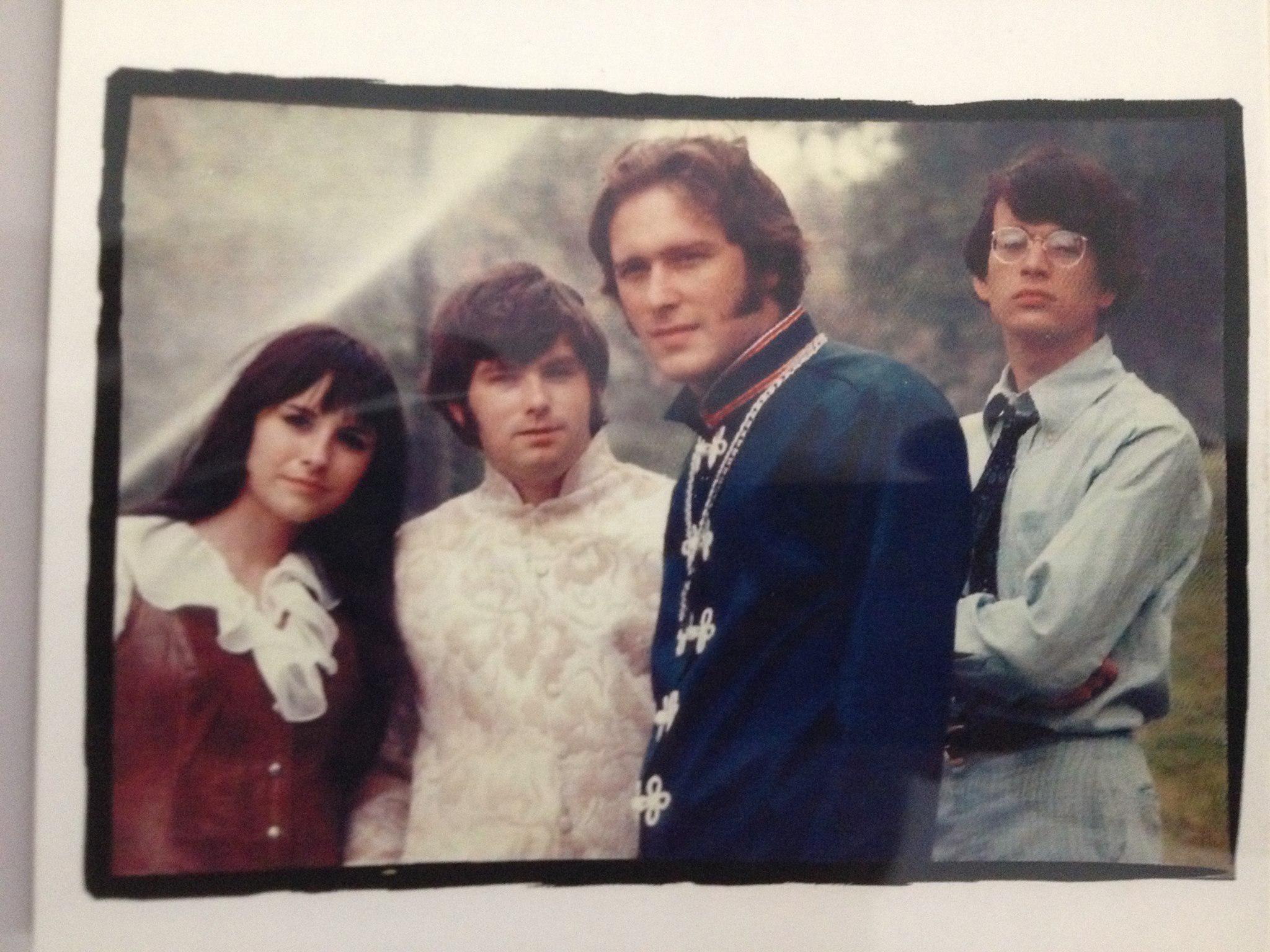
Eternity's Children

Rock
Pop Rock
Progressive Rock
Folk Rock
 Viberate Rank: 252850
 Viberate Rank: 252850
 Monthly ListenersFollowers
 Subscribers
 Followers
 Followers
 FansTop Spotify Songs
| Track | 7-Day Streams | |
|---|---|---|
1 | 1.70K | |
2 | 1.70K | |
3 | 1.66K | |
4 | 524 | |
5 | 524 |
Top YouTube VideosMonthly ListenersFeatured in Playlists| Playlist | Followers | |
|---|---|---|
1 |  Twin Peaks Vibes 📺 maddie f | 36.94K |
2 |  FM4 Sunny Side Up (Update every Sunday) johannespuntigam | 9.46K |
3 |  FLAG RADIO Cornelius 2024-2026 α-STATION FM KYOTO | 9.15K |
4 | 60s Psychedelic Trip andreas1965-71 | 8.21K |
5 | Psychedelic 60s Acid Rock & Heavy Psychadelia byggavdelningen | 5.51K |
Audience| City | Monthly Listeners | |
|---|---|---|
1 | | 188 |
2 | | 116 |
3 | | 116 |
4 | | 102 |
5 |  | 96 |
See full performance history, audience data, playlist activity, rankings, comparisons, and more in Viberate music analytics. Start with a free trial, then continue with a paid plan.
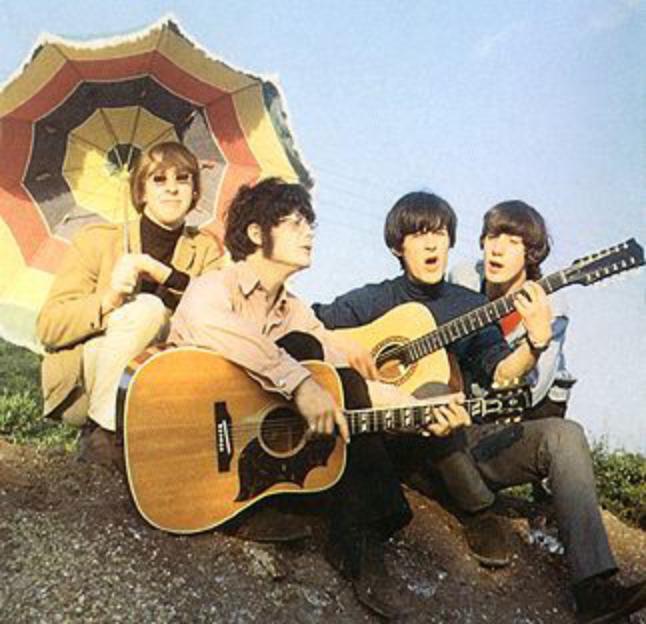
Eternity's Children’s Spotify BioSunshine pop cult favorites Eternity's Children were formed in Cleveland, MS, in 1965 by singer/keyboardist Bruce Blackman and drummer Roy Whittaker, fellow students at Delta College. With the addition of lead guitarist Johnny Walker, rhythm guitarist Jerry Bounds, and bassist Charlie Ross, the group (originally dubbed the Phantoms) began developing the complex, overlapping vocal harmonies that remained the hallmark of their sound throughout their career. According to Dawn Eden's comprehensive liner notes in the 2002 Rev-Ola reissue Eternity's Children, in 1966 the Phantoms relocated to Biloxi, becoming the house band in the basement nightclub of the Biloxi Hotel and backing visiting performers including Charlie Rich and B.J. Thomas. With the addition of local folksinger Linda Lawley, the fledgling band adopted the more contemporary moniker Eternity's Children, and after Baton Rouge health club magnate Ray Roy caught one of their live appearances, he convinced business partner Guy… Belello to form a management company (Crocked Foxx Productions and Music), which soon signed the group to a contract.
Eternity's Children quickly recorded a demo that made its way to A&M producer Allen Stanton, and in the spring of 1967 recorded their lone effort for the label, the David Gates-penned single "Wait and See." (It was produced by Keith Olsen, the former Music Machine bassist best known as the production partner of studio wizard Curt Boettcher.) The record went nowhere, and despite touring as part of a package headlined by the Strawberry Alarm Clock, the Seeds, and the Blues Magoos, Eternity's Children were quickly dropped by A&M. Crocked Foxx soon landed their charges a deal with Capitol's tax-shelter subsidiary, Tower; Olsen again manned the boards, this time bringing Boettcher, who'd previously enjoyed massive success with vocal groups like the Association as well as his own Sagittarius and the Millennium. Despite some flashes of brilliance, Eternity's Children's self-titled debut does not rank among the Boettcher/Olsen duo's crowning achievements -- both producers were distracted by other concurrent projects, and for every potential smash like the lilting first single "Mrs. Bluebird" or the beautiful "Again Again," there was a "Rupert White" (which simply added a new vocal to a backing track issued the year earlier as the Chocolate Tunnel's "The Highly Successful Rupert White") or "You Know I've Found a Way" (which doesn't even feature the group at all -- a Boettcher production demo, it later resurfaced in much more complete form on Sagittarius' Present Tense).
During production of the album, relations between the members of Eternity's Children and their management became increasingly strained, and prior to the LP's mid-1968 release, Blackman, Walker, and Bounds all exited. Only Blackman was replaced, by classically trained keyboardist Mike "Kid" McClain, previously of the Houston group the Neurotic Sheep. An appearance on American Bandstand spurred "Mrs. Bluebird" up the pop charts, but Tower did little to promote the single or the band, and after three weeks at number 69 on Billboard, both quickly plummeted out of the Hot 100. Eternity's Children nevertheless reconvened to begin work on their second album, Timeless, this time recruiting Boettcher's longtime engineer, Gary Paxton, to helm the sessions. With primary songwriter Blackman now out of the mix, Ross, Lawley, and McClain all contributed original material, and Paxton also wrangled songs from future Byrds Clarence White and Gene Parsons. After Whittaker left the group sometime during the sessions, drummer Bo Wagner was brought into the studio to complete the tracks -- coincidentally, Wagner would later join Blackman and Walker in their post-Eternity's Children project, dubbed simply the Children. (Blackman and Walker finally achieved massive chart success in the mid-'70s as members of Starbuck, which scored the Top Five smash "Moonlight Feels Right.") The album, titled Timeless, wrapped in late 1968, and promo copies of the first single, "Till I Hear It from You," were soon dispatched to radio.
But when "Till I Hear It from You" caused little excitement among radio programmers, Tower abruptly scuttled Timeless' U.S. release; the album did appear on Capitol's Canadian branch ("Mrs. Bluebird" was a sizable hit north of the border). Desperate for a change in geography and approach, Eternity's Children decamped to Memphis, home of Chips Moman's legendary American Studios. Abandoning the lush, pristine production of their previous efforts for a more earthy, blue-eyed soul sound, the group teamed with Moman and ace session bassist Tommy Cogbill to record the single "The Sidewalks of the Ghetto." It went nowhere -- by now, Capitol was shuttering the entire Tower imprint, although one last Eternity's Children single, the Spooner Oldham-penned "Blue Horizon," slipped through the cracks, as did solo singles from Lawley ("When the World Turns") and Ross ("A Railroad Trestle in California"). Remarkably, there was one last gasp -- Liberty Records, reeling from the loss of the 5th Dimension to rival Bell, seized upon Eternity's Children as a replacement. They signed to record a single, "Alone Again," but when Liberty was folded into parent company United Artists, the band was dropped. No subsequent recordings ever saw official release, but various Eternity's Children lineups continued performing during the 1970s. ~ Jason Ankeny, Rovi
Viberate is a music analytics platform built for A&Rs, artist managers, labels, booking agents, marketers, and artists.
It helps music professionals track artist growth, analyze audience data, monitor playlist activity, compare artists, follow song performance, and identify opportunities across the music market.
Public artist pages provide a free preview of selected artist data. Paid plans provide access to deeper analytics, historical data, charts, comparisons, playlist tools, exports, alerts, reports, and additional professional features.
Yes. Public Viberate artist pages provide selected artist analytics and music data for free.
Viberate also offers a 7-day free trial of the full platform. A credit card is required to start the trial. The trial includes access to the complete product so users can test deeper artist analytics, historical views, playlist insights, comparisons, charts, exports, alerts, and reporting features before choosing a paid plan.
Viberate provides artist analytics across streaming, playlists, social media, video, radio airplay, songs, and audience markets.
Users can analyze Spotify performance, Spotify and Apple Music playlists, YouTube activity, TikTok and Instagram growth, radio spins, song performance, audience locations, demographics, rankings, and overall artist momentum.
Artist profiles also connect to music charts, similar artists, and comparison tools, helping users benchmark performance and evaluate artists in context.
Viberate updates key artist and track data daily.
For followed artists and tracks, selected data is refreshed multiple times per day. This helps teams monitor playlist changes, streaming movement, audience growth, releases, and campaign performance with more current data.
Update frequency can vary depending on the metric and data source.
Yes. Viberate lets users compare up to five artists side by side across streaming, social media, audience, and engagement metrics.
Users can compare fanbase growth, audience demographics, locations, Spotify performance, social metrics, and other artist data over selected time periods.
Artist comparison can be used for A&R scouting, benchmarking, booking decisions, campaign planning, and evaluating artists with similar audiences or market positions.