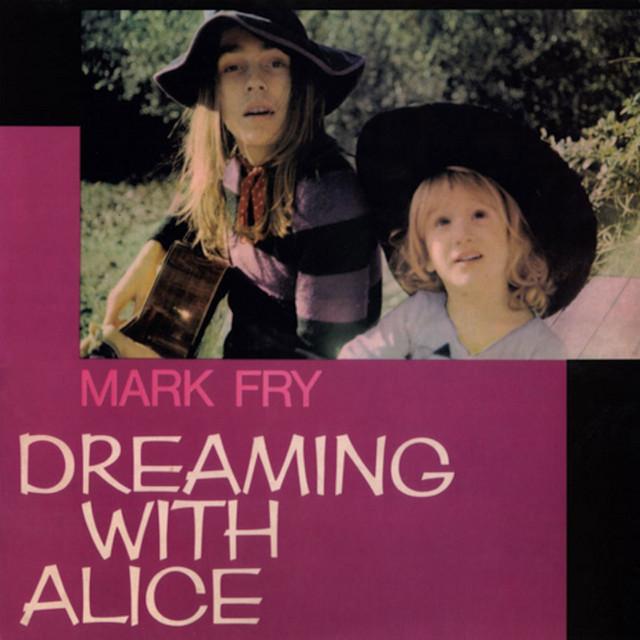
Mark Fry

Rock
Folk Rock
Celtic
 Viberate Rank: 178219
 Viberate Rank: 178219
 Monthly ListenersFollowers
 Subscribers
 Followers
 Followers
 FansTop Spotify Songs
| Track | 7-Day Streams | |
|---|---|---|
1 | 6.66K | |
2 | 4.16K | |
3 | 3.91K | |
4 | 2.34K | |
5 | 2.22K |
Top YouTube VideosMonthly ListenersFeatured in Playlists| Playlist | Followers | |
|---|---|---|
1 |  Late Night Tales: The Collection Late Night Tales | 32.82K |
2 | Unofficial Reverb Radio Jeff Ferruzzo | 21.82K |
3 | 100% Big Thief | 19.55K |
4 |  Fall (Numero Group) Numero Group Concierge | 15.35K |
5 |  Obscure 60s/70s Psychedelic Rock Jason LeValley | 15.23K |
Audience| City | Monthly Listeners | |
|---|---|---|
1 | | 1.36K |
2 |  | 896 |
3 | | 795 |
4 | | 787 |
5 |  | 561 |
See full performance history, audience data, playlist activity, rankings, comparisons, and more in Viberate music analytics. Start with a free trial, then continue with a paid plan.
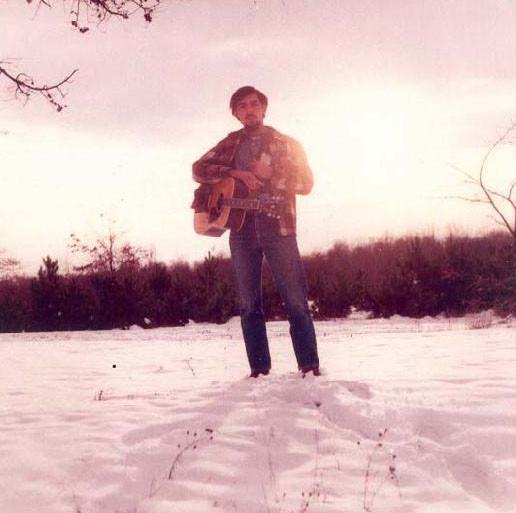
Mark Fry’s Spotify BioEnglish psychedelic folk songwriter Mark Fry is best known for his 1972 acid folk classic Dreaming with Alice, his debut recording and an album widely considered one of the brightest creations of the acid folk genre in its early days. Fry was born in the small British town of Epping to a family descended from successful chocolatiers. After attending school in the U.K. he went on to study painting in Italy, where he met producer Vincenzo Micocci. Micocci was taken with Fry's compositions and immediately signed him to his IT Dischi label, an Italian subsidiary of RCA. A session band was assembled to record the songs that became Dreaming with Alice in the summer of 1971, and Fry did a few gigs around Italy shortly after the sessions. The album came out in 1972 and Fry continued to play music and travel, eventually returning to London in the early '80s to pursue a career as a visual artist. While he grew his profile as a painter, his sole record achieved an enormous cult following, with… lovers of obscure psych folk spreading the word about this rare gem, only ever available in Italy. As the album became more and more emblematic of the acid folk genre, prices for original copies rose, some online auctions finding single copies of Dreaming with Alice going for thousands of dollars. Fry, having spent several decades focusing on painting, returned to music in the 2000s, learning of the reputation Dreaming with Alice had gained. In 2006, the first of what would be several reissues of the album appeared on Sunbeam Records, and in 2008 Fry released second album Shooting the Moon. In 2011 he released I Lived in Trees, a collaborative album credited to Mark Fry and the A. Lords, composed by Fry and be Nicholas Palmer and Michael Tanner. Fry would play live much more during this time than he had in the decades prior, touring Japan and releasing the recordings from three Tokyo concerts as the 2013 album Mark Fry Live in Japan. A record of all new material followed the next year with South Wind, Clear Sky. ~ Fred Thomas, Rovi
Viberate is a music analytics platform built for A&Rs, artist managers, labels, booking agents, marketers, and artists.
It helps music professionals track artist growth, analyze audience data, monitor playlist activity, compare artists, follow song performance, and identify opportunities across the music market.
Public artist pages provide a free preview of selected artist data. Paid plans provide access to deeper analytics, historical data, charts, comparisons, playlist tools, exports, alerts, reports, and additional professional features.
Yes. Public Viberate artist pages provide selected artist analytics and music data for free.
Viberate also offers a 7-day free trial of the full platform. A credit card is required to start the trial. The trial includes access to the complete product so users can test deeper artist analytics, historical views, playlist insights, comparisons, charts, exports, alerts, and reporting features before choosing a paid plan.
Viberate provides artist analytics across streaming, playlists, social media, video, radio airplay, songs, and audience markets.
Users can analyze Spotify performance, Spotify and Apple Music playlists, YouTube activity, TikTok and Instagram growth, radio spins, song performance, audience locations, demographics, rankings, and overall artist momentum.
Artist profiles also connect to music charts, similar artists, and comparison tools, helping users benchmark performance and evaluate artists in context.
Viberate updates key artist and track data daily.
For followed artists and tracks, selected data is refreshed multiple times per day. This helps teams monitor playlist changes, streaming movement, audience growth, releases, and campaign performance with more current data.
Update frequency can vary depending on the metric and data source.
Yes. Viberate lets users compare up to five artists side by side across streaming, social media, audience, and engagement metrics.
Users can compare fanbase growth, audience demographics, locations, Spotify performance, social metrics, and other artist data over selected time periods.
Artist comparison can be used for A&R scouting, benchmarking, booking decisions, campaign planning, and evaluating artists with similar audiences or market positions.