White Rose Movement

Rock
Indie Rock
Dance
 Viberate Rank: 282632
 Viberate Rank: 282632
 Monthly ListenersFollowers
 Subscribers
 Followers
 Followers
 FansTop Spotify Songs
| Track | 7-Day Streams | |
|---|---|---|
1 | 1.11K | |
2 | 1.06K | |
3 | 504 | |
4 | 371 | |
5 | 178 |
Top YouTube VideosMonthly ListenersFeatured in Playlists| Playlist | Followers | |
|---|---|---|
1 | Skate 3 Soundtrack vickex | 21.91K |
2 | Entourage Ending Songs Niclas Bergström | 9.87K |
3 |  FULL Skate 3 Soundtrack Guilherme | 9.20K |
4 | EA SKATE Soundtrack stevohc | 4.67K |
5 |  Independance Club (2006 - 2023) Independance Club | 4.08K |
Audience| City | Monthly Listeners | |
|---|---|---|
1 | | 149 |
2 |  | 107 |
3 | | 95 |
4 |  | 80 |
5 | | 70 |
See full performance history, audience data, playlist activity, rankings, comparisons, and more in Viberate music analytics. Start with a free trial, then continue with a paid plan.
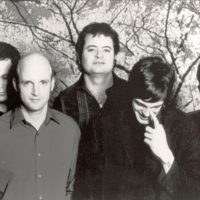
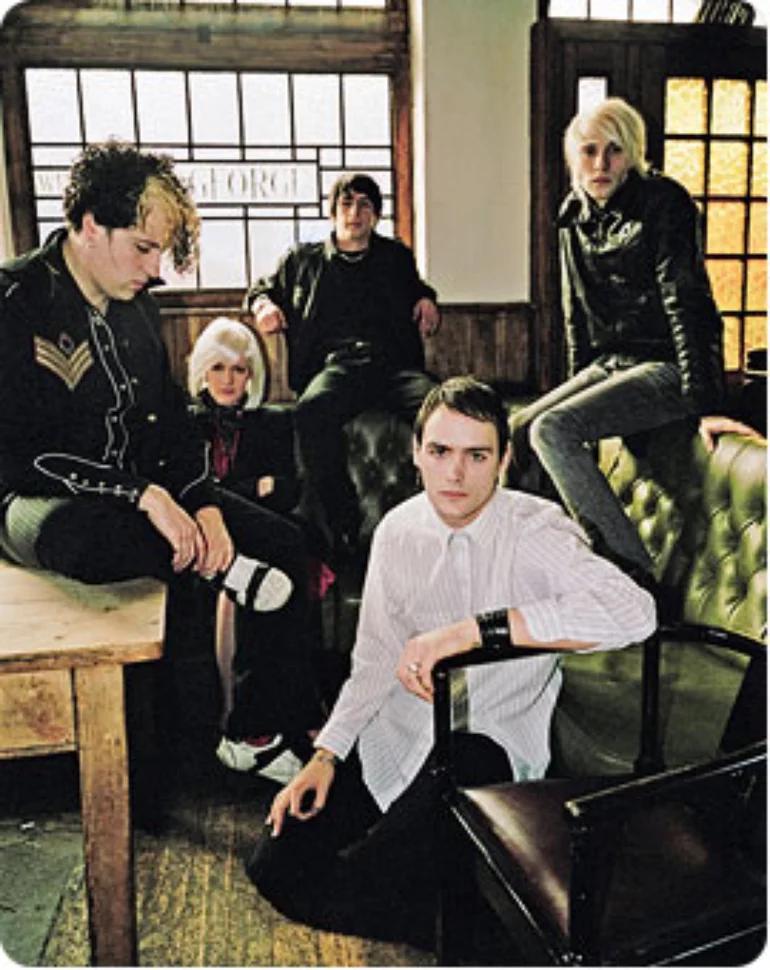
White Rose Movement’s Spotify BioFusing Depeche Mode-style synth pop with dance-punk's frantic beats and the witty style of electroclash, the Norfolk-via-London quintet White Rose Movement formed in 2002. Named after the non-violent, anti-Nazi group from WWII-era Germany, the band features vocalist Finn Vine, guitarist Jasper Milton, bassist Owen Dyke, keyboardist Taxxi, and drummer Ed Harper. White Rose Movement's earliest dates included gigs supporting Pink Grease and Felix da Housecat; after signing to Independiente in 2004, they began working with hot producer Paul Epworth (also responsible for shaping the sounds of Maxïmo Park and Bloc Party) and released their debut single, Love Is a Number, in spring 2005. They embarked on their first full-fledged tour, supporting the Kills that year, and continued to work on their debut album, issuing the Alsatian single in fall 2005 as a teaser. Early in 2006, White Rose Movement toured with the Rakes and released their third single, Girls in the Back, and their first… full-length, Kick, in the U.K. that spring. After a quick string of U.S. dates, including the 2006 Coachella Festival, they did another closer to home and spent the summer playing dates and festivals in the U.K. and across Europe. ~ Heather Phares, Rovi
Viberate is a music analytics platform built for A&Rs, artist managers, labels, booking agents, marketers, and artists.
It helps music professionals track artist growth, analyze audience data, monitor playlist activity, compare artists, follow song performance, and identify opportunities across the music market.
Public artist pages provide a free preview of selected artist data. Paid plans provide access to deeper analytics, historical data, charts, comparisons, playlist tools, exports, alerts, reports, and additional professional features.
Yes. Public Viberate artist pages provide selected artist analytics and music data for free.
Viberate also offers a 7-day free trial of the full platform. A credit card is required to start the trial. The trial includes access to the complete product so users can test deeper artist analytics, historical views, playlist insights, comparisons, charts, exports, alerts, and reporting features before choosing a paid plan.
Viberate provides artist analytics across streaming, playlists, social media, video, radio airplay, songs, and audience markets.
Users can analyze Spotify performance, Spotify and Apple Music playlists, YouTube activity, TikTok and Instagram growth, radio spins, song performance, audience locations, demographics, rankings, and overall artist momentum.
Artist profiles also connect to music charts, similar artists, and comparison tools, helping users benchmark performance and evaluate artists in context.
Viberate updates key artist and track data daily.
For followed artists and tracks, selected data is refreshed multiple times per day. This helps teams monitor playlist changes, streaming movement, audience growth, releases, and campaign performance with more current data.
Update frequency can vary depending on the metric and data source.
Yes. Viberate lets users compare up to five artists side by side across streaming, social media, audience, and engagement metrics.
Users can compare fanbase growth, audience demographics, locations, Spotify performance, social metrics, and other artist data over selected time periods.
Artist comparison can be used for A&R scouting, benchmarking, booking decisions, campaign planning, and evaluating artists with similar audiences or market positions.