R + R = Now

Jazz
Jazz Fusion
Nu Jazz
 Viberate Rank: 171165
 Viberate Rank: 171165
 Monthly ListenersFollowers
 Subscribers
 Followers
 Followers
 FansTop Spotify Songs
| Track | 7-Day Streams | |
|---|---|---|
1 | 2.67K | |
2 | 1.55K | |
3 | 1.53K | |
4 | 990 | |
5 | 938 |
Top YouTube VideosMonthly ListenersFeatured in Playlists| Playlist | Followers | |
|---|---|---|
1 |  Jazz At Work | Jazz au Bureau | Jazz pour travailler 2026 | Chill & Lounge Digster France | 36.31K |
2 |  NEO SOUL/FUNK/JAZZ sgsreed1 | 34.10K |
3 | The Morning Spring 2023 Playlist nytimes | 30.66K |
4 |  Chill And Play PlayStation®️ | 26.37K |
5 |  Quintuplet Swing shawncrowder | 18.75K |
Audience| City | Monthly Listeners | |
|---|---|---|
1 | | 405 |
2 |  | 369 |
3 | | 353 |
4 | | 265 |
5 | | 255 |
See full performance history, audience data, playlist activity, rankings, comparisons, and more in Viberate music analytics. Start with a free trial, then continue with a paid plan.
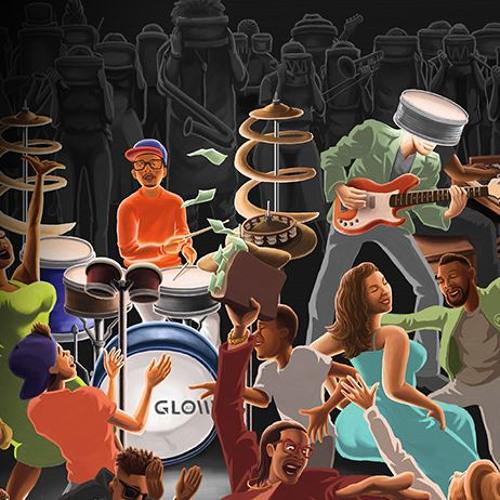
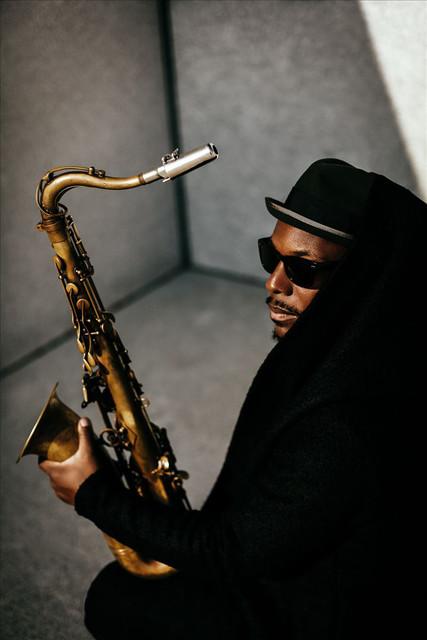
R + R = Now’s Spotify BioMotivated by their ethos to "reflect and respond" forward-thinking jazz, supergroup R+R=Now make an ambitious, socially conscious blend of post-bop jazz, electronic-tinged fusion, avant-garde improvisational music, and hip-hop-influenced funk. Led by acclaimed pianist Robert Glasper, the group debuted in 2018 with Collagically Speaking and returned in 2021 with a concert album, Live.
The concept for R+R=Now initially came to Glasper while he was working on Nina Revisited, a companion album released in conjunction with the 2015 Nina Simone documentary What Happened, Miss Simone? Inspired by the legendary vocalist's belief that it is an artist's duty to reflect the times, Glasper brought together many of his closest associates in 2017, including trumpeter Christian Scott, bassist Derrick Hodge, drummer Justin Tyson, and synth players Taylor McFerrin and Terrace Martin. In 2018, they released their debut album, Collagically Speaking, which also featured contributions by Omari Hardwick,… Amanda Seales, and Terry Crews. A concert album, Live, arrived in 2021 and featured songs recorded in 2018 during the group's month-long residency at the Blue Note in New York City. ~ Matt Collar, Rovi
Viberate is a music analytics platform built for A&Rs, artist managers, labels, booking agents, marketers, and artists.
It helps music professionals track artist growth, analyze audience data, monitor playlist activity, compare artists, follow song performance, and identify opportunities across the music market.
Public artist pages provide a free preview of selected artist data. Paid plans provide access to deeper analytics, historical data, charts, comparisons, playlist tools, exports, alerts, reports, and additional professional features.
Yes. Public Viberate artist pages provide selected artist analytics and music data for free.
Viberate also offers a 7-day free trial of the full platform. A credit card is required to start the trial. The trial includes access to the complete product so users can test deeper artist analytics, historical views, playlist insights, comparisons, charts, exports, alerts, and reporting features before choosing a paid plan.
Viberate provides artist analytics across streaming, playlists, social media, video, radio airplay, songs, and audience markets.
Users can analyze Spotify performance, Spotify and Apple Music playlists, YouTube activity, TikTok and Instagram growth, radio spins, song performance, audience locations, demographics, rankings, and overall artist momentum.
Artist profiles also connect to music charts, similar artists, and comparison tools, helping users benchmark performance and evaluate artists in context.
Viberate updates key artist and track data daily.
For followed artists and tracks, selected data is refreshed multiple times per day. This helps teams monitor playlist changes, streaming movement, audience growth, releases, and campaign performance with more current data.
Update frequency can vary depending on the metric and data source.
Yes. Viberate lets users compare up to five artists side by side across streaming, social media, audience, and engagement metrics.
Users can compare fanbase growth, audience demographics, locations, Spotify performance, social metrics, and other artist data over selected time periods.
Artist comparison can be used for A&R scouting, benchmarking, booking decisions, campaign planning, and evaluating artists with similar audiences or market positions.