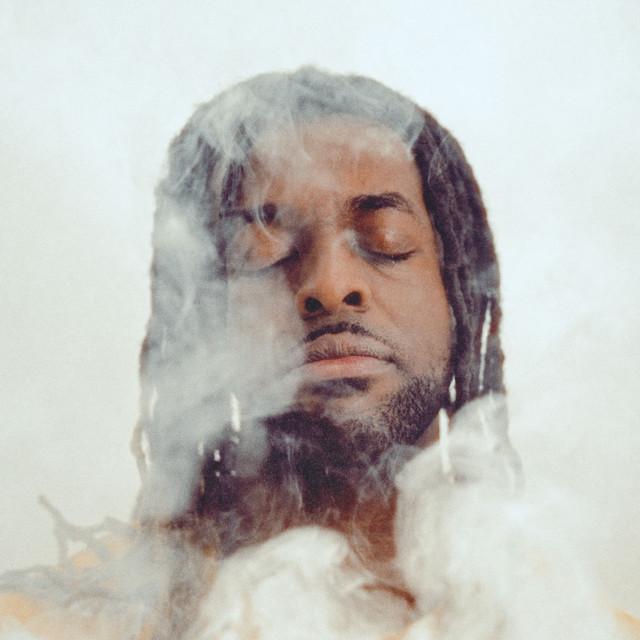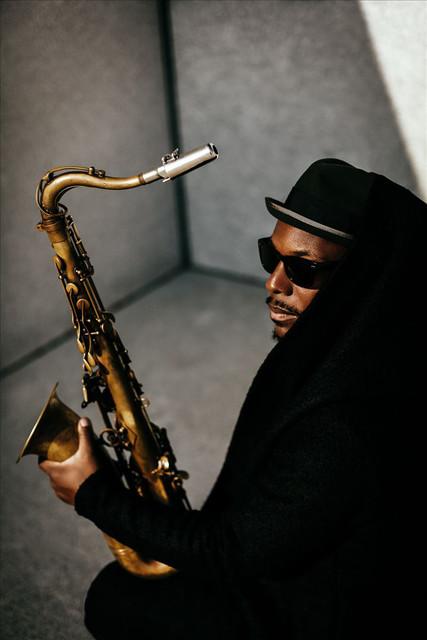
Marcus Strickland

Jazz
Nu Jazz
 Viberate Rank: 147284
 Viberate Rank: 147284
 Monthly ListenersFollowers
 Subscribers
 Followers
 Followers
 FansTop Spotify Songs
| Track | 7-Day Streams | |
|---|---|---|
1 | 5.09K | |
2 | 569 | |
3 | 480 | |
4 | 413 | |
5 | 398 |
Top YouTube Videos| Video | 7-Day Views | |
|---|---|---|
1 | 87 | |
2 | 74 | |
3 | 63 | |
4 | 42 | |
5 | 21 |
Monthly ListenersFeatured in Playlists| Playlist | Followers | |
|---|---|---|
1 |  real good shit Tom Misch | 165.62K |
2 |  Jazz :) SirMichelangelo | 69.00K |
3 |  Sexy Sax medina | 37.73K |
4 |  Nu-jazz Guadalí Alves Arregui | 21.18K |
5 |  Jazz Meets Hip-Hop Blue Note Records | 15.02K |
Audience| City | Monthly Listeners | |
|---|---|---|
1 |  | 299 |
2 | | 200 |
3 | | 171 |
4 | | 154 |
5 | | 134 |
See full performance history, audience data, playlist activity, rankings, comparisons, and more in Viberate music analytics. Start with a free trial, then continue with a paid plan.
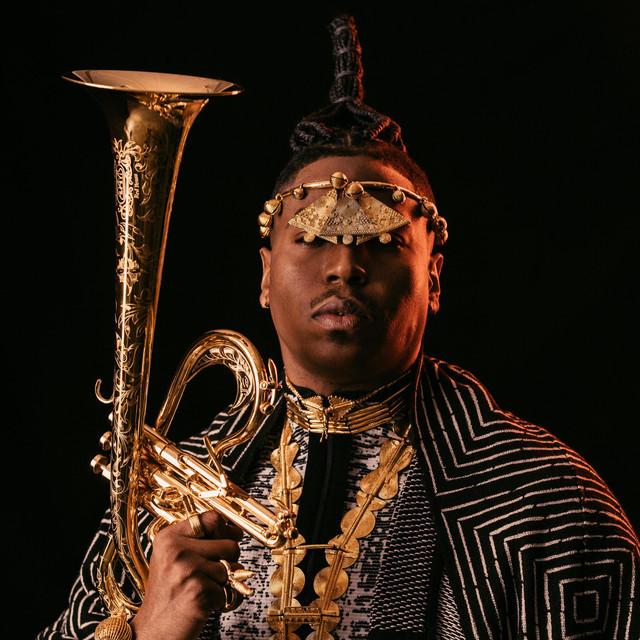
Marcus Strickland’s Spotify BioSaxophonist, composer, and bandleader Marcus Strickland is a charter member of the 21st century jazz vanguard. Similar to the torrent of artists that appeared on the jazz landscape in the early '80s to pull jazz out of the grasp of the Fusion Era, Strickland, his identical twin brother E.J. Strickland (drummer), and artists such as Jeremy Pelt and Robert Glasper breathed new life into jazz early in the new millennium, often erasing the boundaries between it and other musical genres, from hip hop to funk to soul.
During a five-year stint with venerable drummer Roy Haynes, Strickland released two albums on the Fresh Sound New Talent label. At Last was released in 2001, followed by Brotherhood in 2003. Both albums featured precocious peers (Pelt, Glasper, bassist Brandon Owens) playing a lyrical, fiery, contemporary jazz. For the next three years, Strickland toured with artists such as Jeff "Tain" Watts, Haynes, and Dave Douglas, while also holding down dates with his own band. In 2006, he… independently released Twi-Life, an adventurous double album on his own label Strick Muzik. It received much critical praise and proclaimed him "Best New Artist" in the JazzTimes Readers' Poll. In 2007, the Twi-Life group released a live album entitled Open Reel Deck on Strick Muzik. The album featured Lage Lund on guitar, Carlos Henderson on electric bass, and E.J. Strickland on drums, as well as trumpeter Keyon Harrold, the hip-hop-tinged poetry of Malachi, and one track with pianist Jon Cowherd. The album displayed the curious side of Strickland's compositional skills through funk, hip-hop, Afrobeat, rock, ska, and jungle grooves. Strickland was voted "Rising Star, Soprano Saxophone" in Downbeat Magazine's 2008 Critic's Poll. He released two albums in 2009 -- Of Song on the Criss Cross label and Idiosyncracies on his label under the new name of SMK. Of Song, with brother E.J., Ben Williams, and David Bryant, was a more straight-ahead set, whereas Idiosyncracies featured Strickland's increasingly daring compositions. Throughout his career, Strickland has worked with a variety of artists, including Mos Def, Nicholas Payton, Christian McBride, the Charles Tolliver Big Band, and Tom Harrell, among others.
In 2011, the saxophonist independently issued the half-studio/half-live double-disc Triumph of the Heavy, Vols. 1 & 2. One disc offered a concert portrait of his longtime trio with drummer E.J. and bassist Ben Williams, while the studio portion was a quartet with pianist David Bryant added.
Strickland signed to Blue Note in 2015. He contributed a reading of Janet Jackson's 1986 hit "Let's Wait Awhile" with vocalist Christie Dashiell. In the spring of 2016, Strickland released Nihil Novi, his full-length debut as a leader for the label. It was produced by Meshell N'Degeocello and featured an entirely new band called Twi-Life (from his 2006 album title) with trumpeter Harrold, bassist Kyle Miles, drummer Charles Haynes, organist Mitch Henry, and keyboardist Masayuki Hirano. The album also featured all-star contributions from vocalist Jean Baylor, bassist Pino Palladino, drummer Chris Dave, guitarist Chris Bruce, and pianist Robert Glasper (the latter played on the Twi-Life album). Two years later, Strickland's group issued its sophomore Blue Note date, People of the Sun. Self-produced, the band's personnel shifted a bit with Ghanaian born, U.S.-based percussion master Weedie Braimah. The single "On My Mind" featured guest appearances by Bilal, Pharoahe Monch, and Greg Tate. ~ Vincent Thomas, Rovi
Viberate is a music analytics platform built for A&Rs, artist managers, labels, booking agents, marketers, and artists.
It helps music professionals track artist growth, analyze audience data, monitor playlist activity, compare artists, follow song performance, and identify opportunities across the music market.
Public artist pages provide a free preview of selected artist data. Paid plans provide access to deeper analytics, historical data, charts, comparisons, playlist tools, exports, alerts, reports, and additional professional features.
Yes. Public Viberate artist pages provide selected artist analytics and music data for free.
Viberate also offers a 7-day free trial of the full platform. A credit card is required to start the trial. The trial includes access to the complete product so users can test deeper artist analytics, historical views, playlist insights, comparisons, charts, exports, alerts, and reporting features before choosing a paid plan.
Viberate provides artist analytics across streaming, playlists, social media, video, radio airplay, songs, and audience markets.
Users can analyze Spotify performance, Spotify and Apple Music playlists, YouTube activity, TikTok and Instagram growth, radio spins, song performance, audience locations, demographics, rankings, and overall artist momentum.
Artist profiles also connect to music charts, similar artists, and comparison tools, helping users benchmark performance and evaluate artists in context.
Viberate updates key artist and track data daily.
For followed artists and tracks, selected data is refreshed multiple times per day. This helps teams monitor playlist changes, streaming movement, audience growth, releases, and campaign performance with more current data.
Update frequency can vary depending on the metric and data source.
Yes. Viberate lets users compare up to five artists side by side across streaming, social media, audience, and engagement metrics.
Users can compare fanbase growth, audience demographics, locations, Spotify performance, social metrics, and other artist data over selected time periods.
Artist comparison can be used for A&R scouting, benchmarking, booking decisions, campaign planning, and evaluating artists with similar audiences or market positions.