Derrick Hodge

Jazz
Nu Jazz
 Viberate Rank: 111857
 Viberate Rank: 111857
 Monthly ListenersFollowers
 Subscribers
 Followers
 Followers
 FansTop Spotify Songs
| Track | 7-Day Streams | |
|---|---|---|
1 | 2.67K | |
2 | 1.55K | |
3 | 1.53K | |
4 | 1.41K | |
5 | 990 |
Top YouTube VideosMonthly ListenersFeatured in Playlists| Playlist | Followers | |
|---|---|---|
1 |  Bottoms Up Spotify | 168.33K |
2 |  real good shit Tom Misch | 165.63K |
3 | NEW SH*T || Updated weekly || ORIGINAL RAPCAVIAR Simon Grum | 91.03K |
4 |  Blue Note: The Finest In Jazz Since 1939 Blue Note Records | 48.77K |
5 |  Jacob's Optimum Music Feast Jacob Collier | 47.95K |
Audience| City | Monthly Listeners | |
|---|---|---|
1 |  | 477 |
2 | | 312 |
3 |  | 307 |
4 | | 306 |
5 | | 292 |
See full performance history, audience data, playlist activity, rankings, comparisons, and more in Viberate music analytics. Start with a free trial, then continue with a paid plan.
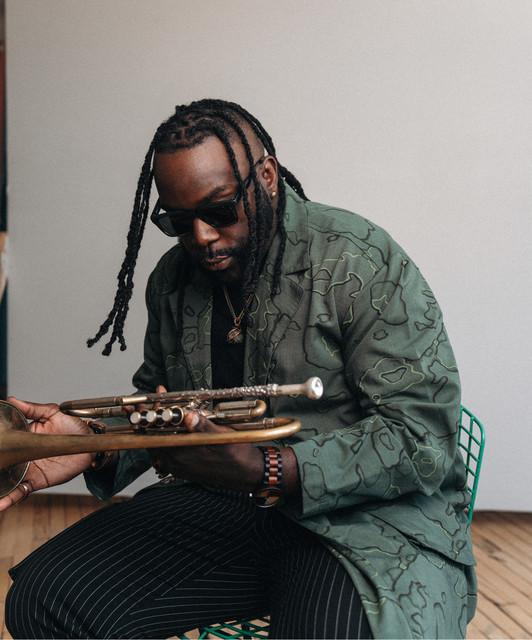
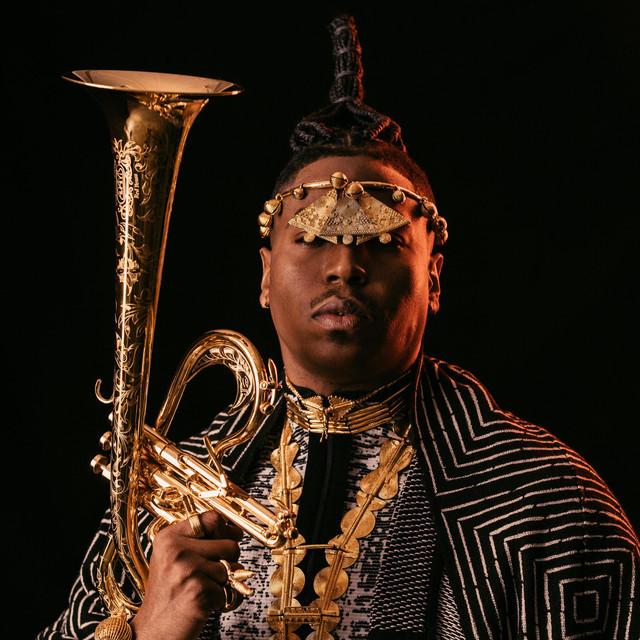
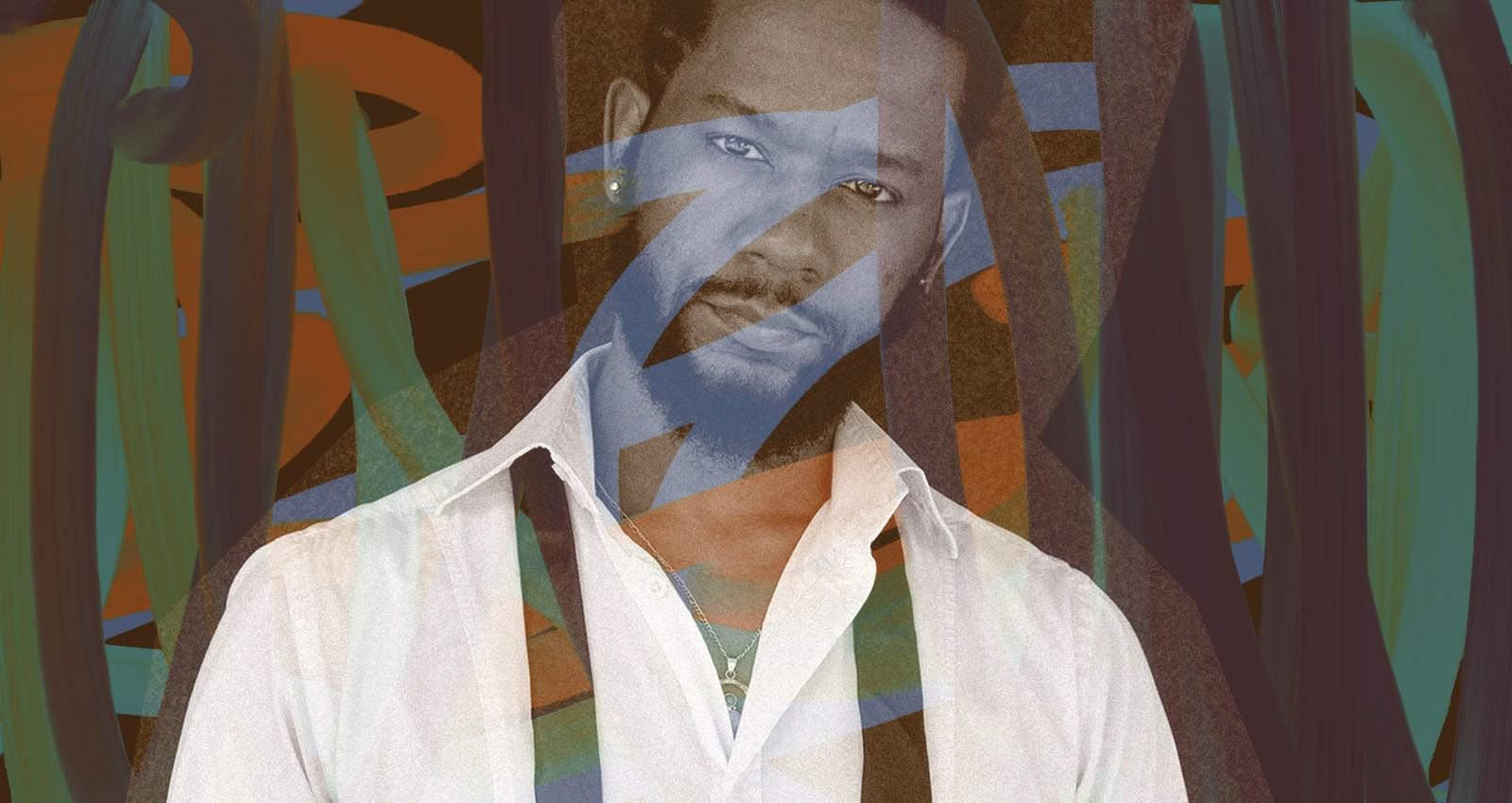
Derrick Hodge’s Spotify BioDerrick Hodge is a celebrated composer, producer, and bassist equally adept on both electric and upright instruments. While he is best-known as a member of the Robert Glasper Experiment, he is an accomplished session musician who has worked extensively across the jazz, cinematic, and R&B genres. He’s been a go-to collaborator not only for Glasper, but also for Maxwell, Terence Blanchard, and Common alike; he played on Grammy-winning albums by all four. His five years with Blanchard included performing on and writing for the score to Spike Lee's A Tale of God's Will (A Requiem for Katrina). Other artists who have enlisted Hodge as a collaborator include Bilal Oliver, Gretchen Parlato, Mulgrew Miller, Terri Lyne Carrington, Stefon Harris, Helen Sung, and Karriem Riggins, to name a few. Hodge stepped out with his debut solo offering Live Today in 2013 to great acclaim. He followed it with The Second in 2016, while also continuing his work with Glasper on Artscience (also 2016) and Fuck Yo… Feelings (2020).
Hodge was born in Philadelphia and first began playing electric guitar before switching to electric bass while still in elementary school. He played in his school's concert band and orchestra. He was introduced to the contrabass in junior high, but had no formal instruction on the instrument when he undertook it. He taught himself by using his electric techniques and adapted them by watching the other string players in the orchestra. While in high school, Hodge performed in the orchestra and spent his spare time working on the many different kinds of music that were bubbling up in and around Philadelphia, from R&B and hip-hop to gospel and jazz. During this crucial period, he counted James Poyser and Jethaniel Nixon as primary influences.
Hodge attended Temple University's Esther Boyer College of Music. He not only studied jazz composition and performance, but also took private lessons on both the upright and electric basses from Vince Fay. He was a member of the Temple University Jazz Band and Small Ensemble under Terell Stafford, but also the Temple University Symphony Orchestra and New Music Chamber Orchestra. Outside of school, he studied with Christian McBride at the Jazz Aspen Snowmass Summer Academy.
While still in school, Hodge began recording with a slew of Philly R&B and hip-hop talent, including Jill Scott, Musiq (Soulchild), and Floetry. He joined pianist Mulgrew Miller's live and recording group in 2003. In 2005 he was the featured bassist on Common's hit recording Be. The same year he began his compositions. Time spent understudying with Terence Blanchard was important because in addition to playing and composing, Hodge began studying film composition. He contributed cues to Blanchard's score for Spike Lee's film When the Levees Broke: A Requiem in Four Acts, as well as tunes to the trumpeter/composer's A Tale of God's Will (A Requiem for Katrina) in 2006. That year Hodge also played on Stefon Harris' celebrated African Tarantella album. In 2007, Hodge contributed music, bass, and production to Common's Finding Forever (he also played on two of the rapper's subsequent albums). Other R&B and hip-hop artists sought him out as well, including Timbaland, Mos Def, Q-Tip, Kanye West, and Gerald Levert.
The bassist composed the score to Dawn Logsdon and Lolis Eric Elie's documentary Faubourg Tremé: The Untold Story of Black New Orleans in 2008. That same year, Hodge joined the Robert Glasper Experiment with Chris Dave and Casey Benjamin, and composed the score for the Edet Belzberg film The Recruiter. The RGE made their recorded debut on the 2009 album Double Booked, and Hodge was bandleader and musical director on Maxwell's BLACKsummers'night, and played on Blanchard's Choices, and Gretchen Parlato's In a Dream. In 2011, Hodge was busy recording and touring with the RGE. Later in the year they cut the monumental jazz-R&B-pop crossover hit Black Radio, which was released in February of 2012; they toured for the rest of year and into 2013. Also in 2012, M.K. Asante's documentary The Black Candle, featuring a score by the bassist, made its debut on the Starz cable television network.
Hodge signed to Blue Note Records and began to record his solo debut during tour breaks. In early 2013, Black Radio won the Grammy for Best R&B Album. Hodge's self-produced record Live Today arrived in August, with appearances by all members of the RGE, as well as Common, Poyser, Aaron Parks, and others; the recording hit the jazz charts and resonated long after. Though still occupied with touring with Glasper, Hodge cut another solo album. Serving as composer, multi-instrumentalist, and producer, he finished Second in early 2016. Hodge played almost all instruments and did his own vocals. Drummer Mark Colenburg appeared on three tracks, and the horn section of trumpeter Keyon Harrold, trombonist Corey King, and tenor saxophonist Marcus Strickland appeared on another. Second was released at the end of August, three weeks before the Robert Glasper Experiment issued its third studio album, Artscience. In addition to touring to support the release, the bassist worked feverishly on other projects. He appeared on Karriem Riggins' Headnod Suite in 2017, with Glasper's R+R=NOW on Collagically Speaking in 2018, with Terri Lyne Carrington on Waiting Game, and with Philip Bailey on his acclaimed Love Will Find a Way (his first studio album in 18 years). The bassist continued his long collaboration with Glasper on the pianist's mixtape-esque solo offering Fuck Yo Feelings.
In June of 2020, Hodge released his third solo offering, Color of Noize. Not only an album title, it also marked the name of his new band. Co-produced with Blue Note boss Don Was, it was the bassist's first album to use a live band in the studio whose core included Jahari Stampley and Michael Aaberg on keyboards, Mike Mitchell and Justin Tyson on drums, and DJ Jahi Sundance on turntables. Hodge played bass, keys, guitar, and voice. The music reflected the bassist's fusion of aesthetic influences and experiences via an innate sense of jazz's immediacy and flow. He and the band melded that approach with hip-hop grooves and sophisticated spiritual soul into an organic whole. ~ Thom Jurek, Rovi
Viberate is a music analytics platform built for A&Rs, artist managers, labels, booking agents, marketers, and artists.
It helps music professionals track artist growth, analyze audience data, monitor playlist activity, compare artists, follow song performance, and identify opportunities across the music market.
Public artist pages provide a free preview of selected artist data. Paid plans provide access to deeper analytics, historical data, charts, comparisons, playlist tools, exports, alerts, reports, and additional professional features.
Yes. Public Viberate artist pages provide selected artist analytics and music data for free.
Viberate also offers a 7-day free trial of the full platform. A credit card is required to start the trial. The trial includes access to the complete product so users can test deeper artist analytics, historical views, playlist insights, comparisons, charts, exports, alerts, and reporting features before choosing a paid plan.
Viberate provides artist analytics across streaming, playlists, social media, video, radio airplay, songs, and audience markets.
Users can analyze Spotify performance, Spotify and Apple Music playlists, YouTube activity, TikTok and Instagram growth, radio spins, song performance, audience locations, demographics, rankings, and overall artist momentum.
Artist profiles also connect to music charts, similar artists, and comparison tools, helping users benchmark performance and evaluate artists in context.
Viberate updates key artist and track data daily.
For followed artists and tracks, selected data is refreshed multiple times per day. This helps teams monitor playlist changes, streaming movement, audience growth, releases, and campaign performance with more current data.
Update frequency can vary depending on the metric and data source.
Yes. Viberate lets users compare up to five artists side by side across streaming, social media, audience, and engagement metrics.
Users can compare fanbase growth, audience demographics, locations, Spotify performance, social metrics, and other artist data over selected time periods.
Artist comparison can be used for A&R scouting, benchmarking, booking decisions, campaign planning, and evaluating artists with similar audiences or market positions.