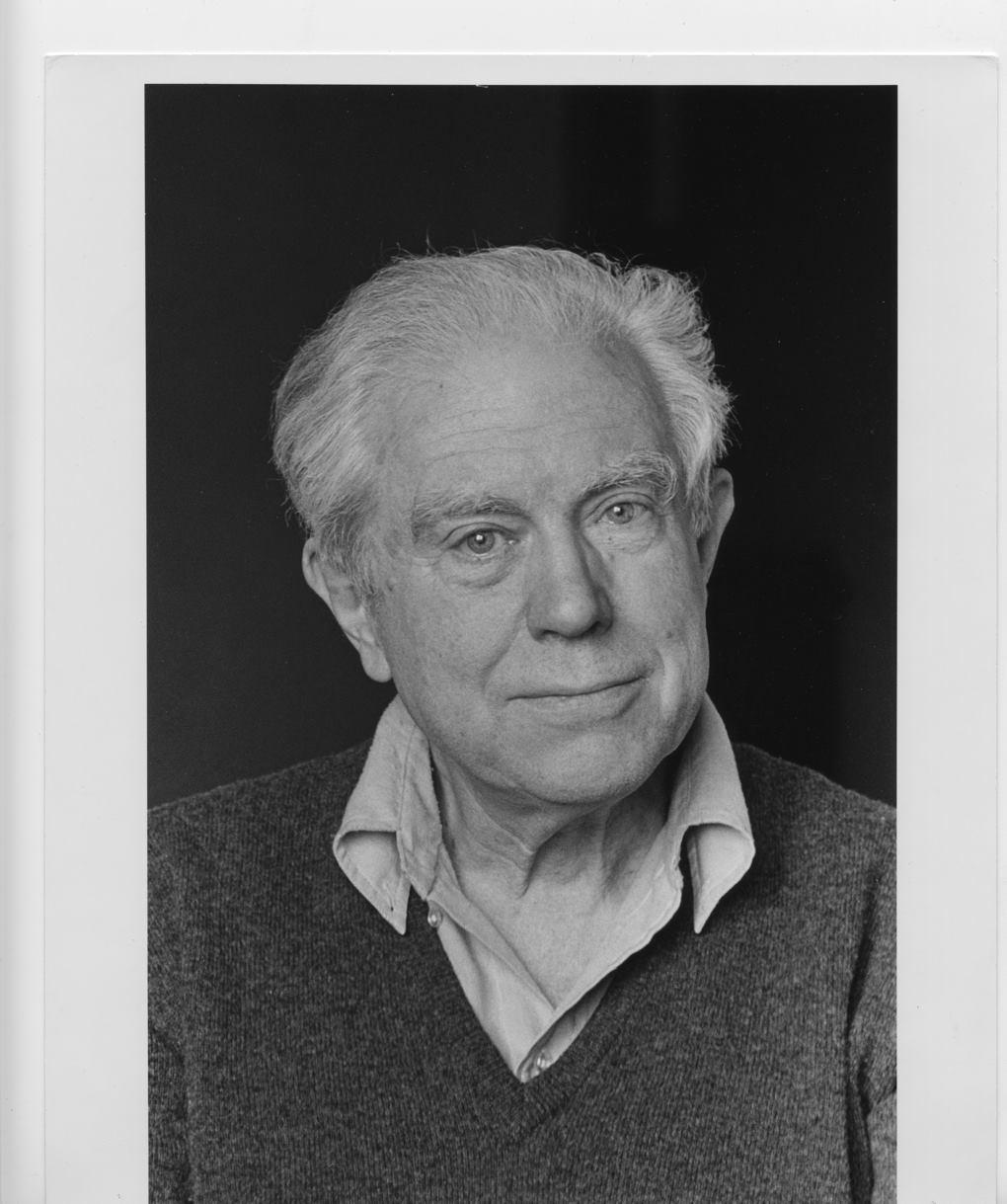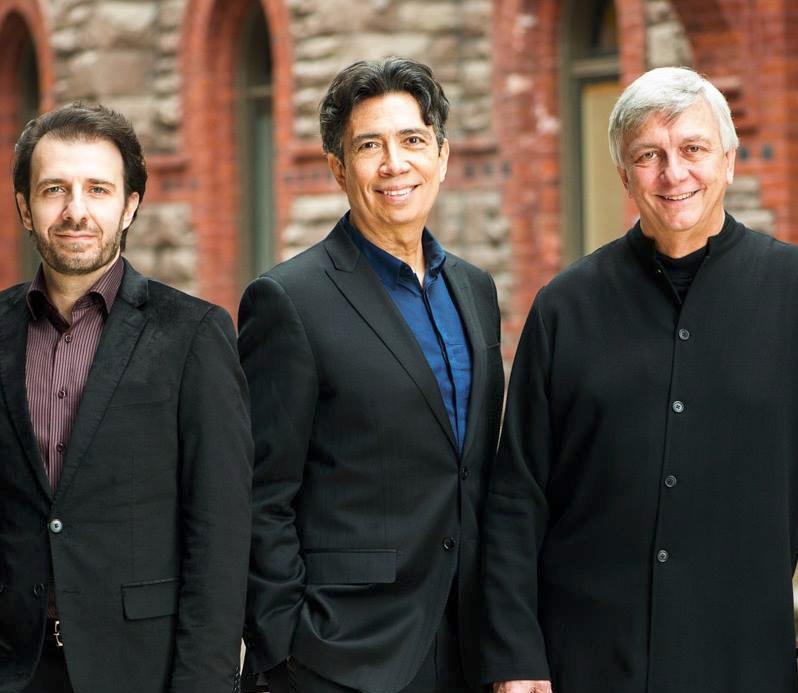
Quatuor Diotima

Classical
Chamber Music
 Viberate Rank: 359423
 Viberate Rank: 359423
 Monthly ListenersFollowers
 Subscribers
 Followers
 Followers
 FansTop Spotify SongsTop YouTube VideosMonthly ListenersFeatured in Playlists
| Playlist | Followers | |
|---|---|---|
1 |  NPR Classical NPR Music | 14.43K |
2 |  Danny L Harle's HUGE PLAYLIST Danny L Harle | 13.97K |
3 |  Chamber Music for Self-Renewal synergy555 | 4.21K |
4 |  ECM Records: 2001 - 2603 Ulysses' Classical | 2.92K |
5 |  Classical Work Music Victoria McGinley | 2.43K |
Audience| City | Monthly Listeners | |
|---|---|---|
1 | | 69 |
2 |  | 35 |
3 |  | 29 |
4 |  | 28 |
5 | | 20 |
See full performance history, audience data, playlist activity, rankings, comparisons, and more in Viberate music analytics. Start with a free trial, then continue with a paid plan.
Quatuor Diotima’s Spotify BioThe Quatuor Diotima is one of the most in-demand chamber ensembles in the world today; it was formed in 1996 by graduates of the Paris national conservatory.
The quartet’s name evokes a double musical significance: Diotima is at once an allegory of German romanticism - Friederich Hölderlin gives the name to the love of his life in his novel Hyperion- and a rallying cry for the music of our time, brandished by Luigi Nono in his composition Fragmente-Stille, an Diotima.
The Quatuor Diotima has worked in close collaboration with several of the greatest composers of the late twentieth century, notably Boulez and Lachenmann. The quartet regularly commissions new works from the most brilliant composers of our time, including Hosokawa, Srnka, Posadas, Lanza, Pesson, Saunders and Murail.
Reflected in the mirror of today’s music, the quartet projects a new light onto the masterpieces of the 19th and 20th centuries, especially Beethoven, Schubert, the Second Viennese School, as well as Janáček,… Debussy, Ravel and Bartók.
In the quartet’s rich discography one finds, notably, their interpretations of the Second Viennese School and the definitive version of the Livre pour Quatuor by Boulez. The Quatuor Diotima has recorded exclusively for the Naïve label for ten years; in 2016 they launched their Diotima Collection for that label, devoted to the works of major composers of our time.
Viberate is a music analytics platform built for A&Rs, artist managers, labels, booking agents, marketers, and artists.
It helps music professionals track artist growth, analyze audience data, monitor playlist activity, compare artists, follow song performance, and identify opportunities across the music market.
Public artist pages provide a free preview of selected artist data. Paid plans provide access to deeper analytics, historical data, charts, comparisons, playlist tools, exports, alerts, reports, and additional professional features.
Yes. Public Viberate artist pages provide selected artist analytics and music data for free.
Viberate also offers a 7-day free trial of the full platform. A credit card is required to start the trial. The trial includes access to the complete product so users can test deeper artist analytics, historical views, playlist insights, comparisons, charts, exports, alerts, and reporting features before choosing a paid plan.
Viberate provides artist analytics across streaming, playlists, social media, video, radio airplay, songs, and audience markets.
Users can analyze Spotify performance, Spotify and Apple Music playlists, YouTube activity, TikTok and Instagram growth, radio spins, song performance, audience locations, demographics, rankings, and overall artist momentum.
Artist profiles also connect to music charts, similar artists, and comparison tools, helping users benchmark performance and evaluate artists in context.
Viberate updates key artist and track data daily.
For followed artists and tracks, selected data is refreshed multiple times per day. This helps teams monitor playlist changes, streaming movement, audience growth, releases, and campaign performance with more current data.
Update frequency can vary depending on the metric and data source.
Yes. Viberate lets users compare up to five artists side by side across streaming, social media, audience, and engagement metrics.
Users can compare fanbase growth, audience demographics, locations, Spotify performance, social metrics, and other artist data over selected time periods.
Artist comparison can be used for A&R scouting, benchmarking, booking decisions, campaign planning, and evaluating artists with similar audiences or market positions.