Quasi

Rock
Indie Rock
Indie Pop
 Viberate Rank: 122994
 Viberate Rank: 122994
 Monthly ListenersFollowers
 Subscribers
 Followers
 Followers
 FansTop Spotify Songs
| Track | 7-Day Streams | |
|---|---|---|
1 | 15.34K | |
2 | 5.27K | |
3 | 3.48K | |
4 | 3.02K | |
5 | 1.57K |
Top YouTube VideosMonthly ListenersFeatured in Playlists| Playlist | Followers | |
|---|---|---|
1 |  Twin Peaks Vibes 📺 maddie f | 36.93K |
2 |  1990s Punk & Indie Numero Group | 16.20K |
3 |  Duyster (all tracks ever played) Wike | 8.15K |
4 |  INDIE PARTY⌇ indie rock ⌁ rock and roll ⌁ indie pop ⌁ hipster ⌁ hits ⌁ news ⌁ 2026 klauslux | 6.42K |
5 |  obscure gems sheyla saric | 6.40K |
Audience| City | Monthly Listeners | |
|---|---|---|
1 | | 1.07K |
2 | | 1.04K |
3 | | 1.03K |
4 | | 871 |
5 | | 745 |
See full performance history, audience data, playlist activity, rankings, comparisons, and more in Viberate music analytics. Start with a free trial, then continue with a paid plan.
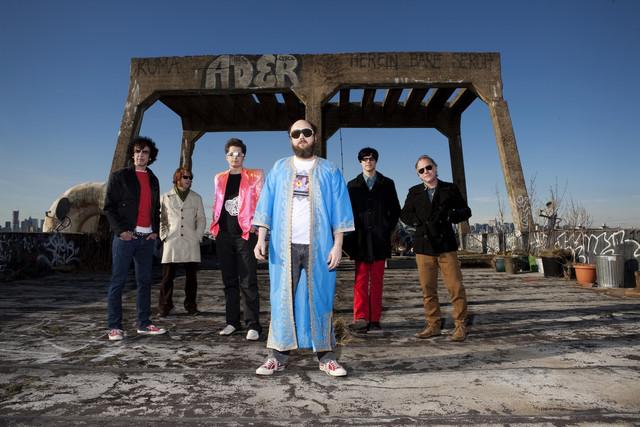
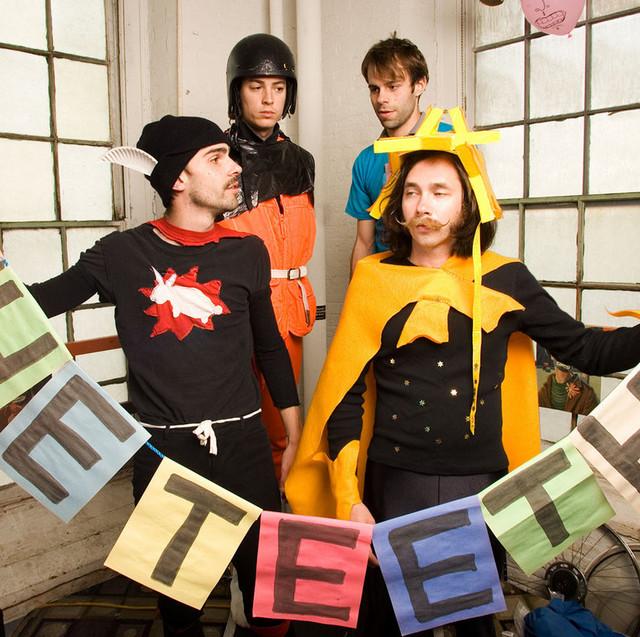
Quasi’s Spotify BioIdiosyncratic indie rock duo Quasi paired singer/guitarist/keyboardist Sam Coomes and drummer Janet Weiss, making music that rocked hard and was joyously tuneful when they were so inclined. Hailing from Portland, Oregon, Coomes and Weiss had previously joined forces in the group Motorgoat, but with Quasi they let their sense of humor inform both their lyrics and the buoyancy of their music, though they were willing to poke fun at serious subjects (religion on 2001's The Sword of God and post-9/11 American politics on 2003's Hot Shit). While Quasi briefly expanded to a trio with the addition of bassist Joanna Bolme on 2010's American Gong, the core duo of Coomes and Weiss led the way when they reunited for 2023's Breaking the Balls of History.
Sam Coomes and Janet Weiss worked for three years with Brad Pedinov in the trio Motorgoat, and when that group split up, Coomes and Weiss opted to continue working together as a duo under the banner Quasi, self-releasing a cassette in 1993 and a… split single with Bügsküll the following year. Since both members were working on other projects at the same time (Coomes played in Elliott Smith's band and worked with Built to Spill and Pink Mountain, and Weiss was a member of Sleater-Kinney and performed with Bright Eyes and Stephen Malkmus & the Jicks), Quasi would occasionally end up on the back burner, and little was heard from them until 1996, when the duo issued the Early Recordings collection, comprising rare material from 1993 and 1994. In 1997, the same year Weiss joined Sleater-Kinney for their classic Dig Me Out LP, Quasi released their first full-length album R&B Transmogrification, issued by the indie label Up Records. Its 1998 follow-up, Featuring "Birds", was among the year's most acclaimed independent outings, and in 1999 Quasi resurfaced with Field Studies. In the new millennium, Weiss and Coomes found a new label home with Touch & Go and The Sword of God appeared in 2001, marking some of Quasi's sharpest material since their inception, and plenty of satiric commentary about organized religion. Two years later, the band's snide sense of humor was highlighted once more on the politics-heavy Hot Shit, which called out the rise of conservatism in the wake of the September 11, 2001 terrorist attacks.
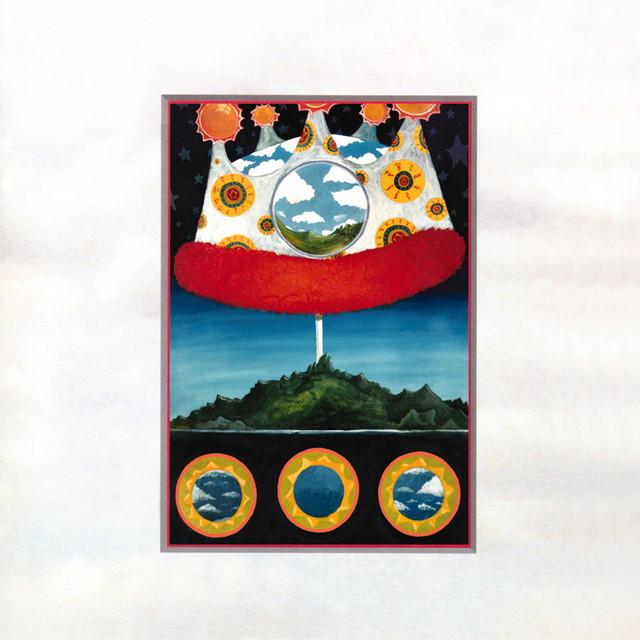
In 2006, the band returned to the studio and, with the help of producer Dave Fridmann, released the rollicking and straightforward When the Going Gets Dark. After adding Jicks bassist Joanna Bolme to the lineup and moving to Kill Rock Stars, the group released its seventh album, American Gong, in February of 2010. Quasi returned to being a duo in 2011 before returning with their eighth album, the sprawling Mole City, in 2013. They unofficially went on hiatus after Mole City, with both Coomes and Weiss devoting their time to other projects, but in 2019, a month after she left Sleater-Kinney, Weiss was involved in a serious auto accident that left her with a broken collarbone and two broken legs. She was still recuperating at home when the COVID-19 pandemic shut down any options for touring, and with plenty of time on her hands, Weiss and Coomes got together to jam, with their practice sessions helping her regain her skills after time away from the drum kit. They started writing songs together, and in April 2022 they set out on a 27-date tour. Later they booked time at Robert Lang Studios in Shoreline, Washington and in five days recorded Quasi's first album in a decade. Breaking the Balls of History was released on Sub Pop in February 2023. ~ Jason Ankeny & Mark Deming, Rovi
Viberate is a music analytics platform built for A&Rs, artist managers, labels, booking agents, marketers, and artists.
It helps music professionals track artist growth, analyze audience data, monitor playlist activity, compare artists, follow song performance, and identify opportunities across the music market.
Public artist pages provide a free preview of selected artist data. Paid plans provide access to deeper analytics, historical data, charts, comparisons, playlist tools, exports, alerts, reports, and additional professional features.
Yes. Public Viberate artist pages provide selected artist analytics and music data for free.
Viberate also offers a 7-day free trial of the full platform. A credit card is required to start the trial. The trial includes access to the complete product so users can test deeper artist analytics, historical views, playlist insights, comparisons, charts, exports, alerts, and reporting features before choosing a paid plan.
Viberate provides artist analytics across streaming, playlists, social media, video, radio airplay, songs, and audience markets.
Users can analyze Spotify performance, Spotify and Apple Music playlists, YouTube activity, TikTok and Instagram growth, radio spins, song performance, audience locations, demographics, rankings, and overall artist momentum.
Artist profiles also connect to music charts, similar artists, and comparison tools, helping users benchmark performance and evaluate artists in context.
Viberate updates key artist and track data daily.
For followed artists and tracks, selected data is refreshed multiple times per day. This helps teams monitor playlist changes, streaming movement, audience growth, releases, and campaign performance with more current data.
Update frequency can vary depending on the metric and data source.
Yes. Viberate lets users compare up to five artists side by side across streaming, social media, audience, and engagement metrics.
Users can compare fanbase growth, audience demographics, locations, Spotify performance, social metrics, and other artist data over selected time periods.
Artist comparison can be used for A&R scouting, benchmarking, booking decisions, campaign planning, and evaluating artists with similar audiences or market positions.