The Ladybug Transistor

Pop
Indie Pop
 Viberate Rank: 222854
 Viberate Rank: 222854
 Monthly ListenersFollowers
 Subscribers
 Followers
 Followers
 FansTop Spotify Songs
| Track | 7-Day Streams | |
|---|---|---|
1 | 6.71K | |
2 | 2.23K | |
3 | 1.15K | |
4 | 538 | |
5 | 525 |
Top YouTube VideosMonthly ListenersFeatured in Playlists| Playlist | Followers | |
|---|---|---|
1 |  The OC Soundtrack [All Seasons Playlist] Solitude Collective | 138.11K |
2 |  The OC Jamie Barmakian | 39.80K |
3 |  90s shoegaze & soft grunge eva | 11.05K |
4 | Lou Isa | 8.39K |
5 |  Duyster (all tracks ever played) Wike | 8.15K |
Audience| City | Monthly Listeners | |
|---|---|---|
1 | | 504 |
2 | | 441 |
3 | | 403 |
4 | | 382 |
5 |  | 329 |
See full performance history, audience data, playlist activity, rankings, comparisons, and more in Viberate music analytics. Start with a free trial, then continue with a paid plan.
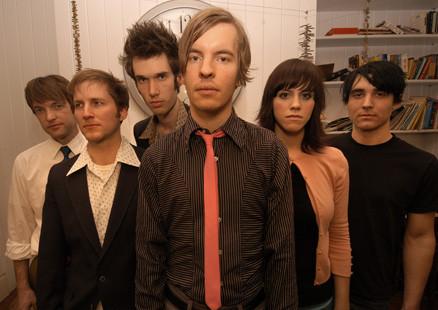
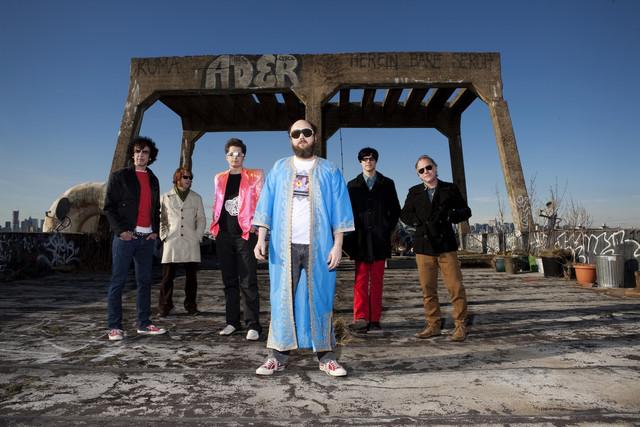
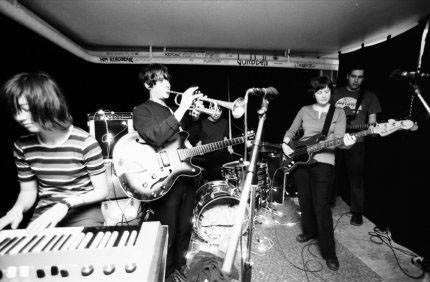
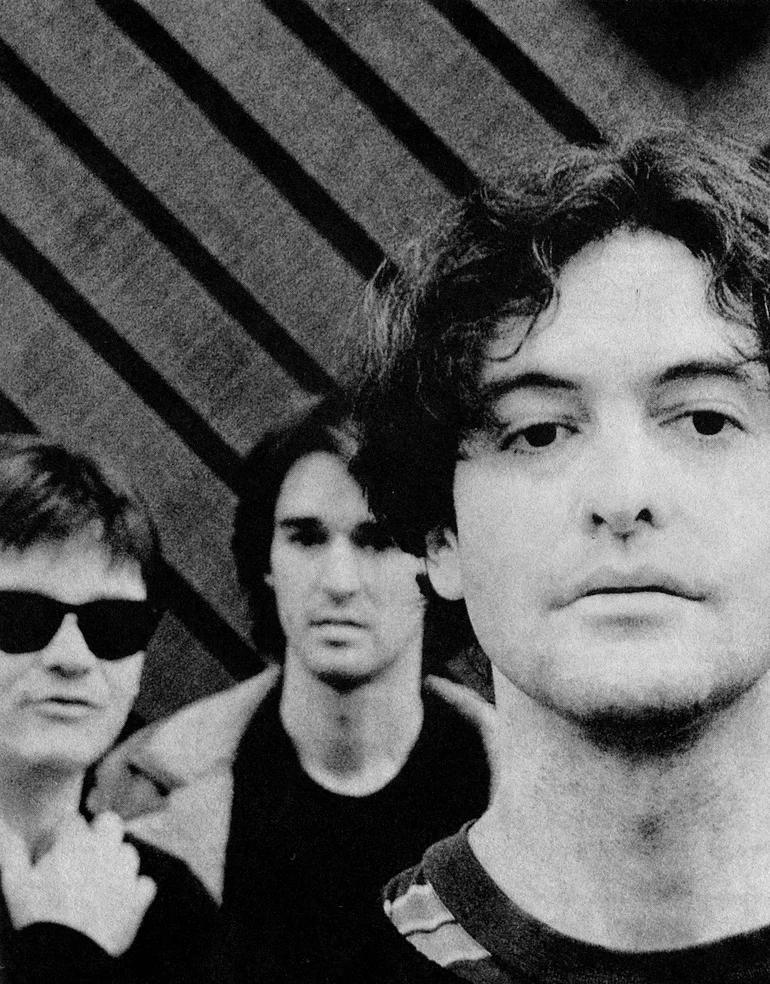
The Ladybug Transistor’s Spotify BioWorking out of their home studio in Brooklyn, the Ladybug Transistor craft pristine chamber pop that's influenced by Burt Bacharach and the Bee Gees, but given a tender, almost fragile twist. They delivered a classic of the neo-chamber genre with 1999's The Albemarle Sound, then continued to release albums that paired lovely vocal harmonies, intricately arranged instrumentation, and a heart-tugging mix of breakup ballads and gently chiming uptempo tracks. By the time of their seemingly final album, 2011's Clutching Stems, they had become as accomplished as their influences, but only earned a criminally small fraction of their fame.
Led by vocalist/guitarist/trumpeter Gary Olson, a onetime string stretcher and key inspector at his family's piano factory, the band debuted in 1996 with the LP Marlborough Farms, titled after Olson's Brooklyn-area home recording studio. After a lineup change that left only Olson and drummer Edward Powers remaining from their original roster, Saturnine… guitarist Jennifer Baron and her bassist brother Jeff were recruited prior to recording 1997's Beverly Atonale, issued on Merge. After completing the LP, Powers exited and was replaced by Individual Fruit Pie drummer San Fadyl. The group's wonderfully baroque third album, The Albemarle Sound, which featured new member Sasha Bell on keyboards and vocals, followed in 1999. Both Bell and Jeff Baron were also members of neo-psych band the Essex Green at this time, as well as the country-psych outfit the Sixth Great Lake.
The Ladybug Transistor's next album, Argyle Heir, with its indie kitsch stylings, was released in spring 2001. After losing Jennifer Baron and gaining Julia Rydholm, the band decamped to Arizona to record its next album, The Ladybug Transistor (2003), with Calexico producer Craig Schumacher. More lineup changes followed as Bell left the band and Jeff Baron became more of a satellite member. The band stayed fairly quiet for a couple years as the lineup sorted itself out, and Olson spent time producing other artists. They returned in 2006 with the Here Comes the Rain EP and followed up with the excellent Can't Wait Another Day, which was released in June 2007 by Merge. The lineup for the album added keyboardist Kyle Forester and guitarist Ben Crum of Great Lakes.
Sadly, mere weeks before the release of the album, drummer San Fadyl, a beloved figure in the indie rock community, passed away due to complications from severe asthma. Before recording its next album, the group's lineup shifted again with guitarists Michael O'Neill and Mark Dzula and drummer Eric Farber added to the core of Olson, Rydholm, and Forester. The band's seventh studio LP, Clutching Stems, was released in June of 2011 after which the band faded away. After pursuing solo projects and work with other bands, Olson, both Barons, Bell, and Rydholm reconvened in 2019 to play shows in New York and Sweden to celebrate the 20th Anniversary of The Albemarle Sound, then with the addition of drummer Derek Almstead they undertook a short tour in 2023. The next year, Happy Happy Birthday to Me Records reissued The Albemarle Sound album for its 25th anniversary, adding a number of demos and singles to the set. The band once again embarked on a short tour on the East and West Coasts of the U.S. to commemorate the occasion. ~ Jason Ankeny & Tim Sendra, Rovi
Viberate is a music analytics platform built for A&Rs, artist managers, labels, booking agents, marketers, and artists.
It helps music professionals track artist growth, analyze audience data, monitor playlist activity, compare artists, follow song performance, and identify opportunities across the music market.
Public artist pages provide a free preview of selected artist data. Paid plans provide access to deeper analytics, historical data, charts, comparisons, playlist tools, exports, alerts, reports, and additional professional features.
Yes. Public Viberate artist pages provide selected artist analytics and music data for free.
Viberate also offers a 7-day free trial of the full platform. A credit card is required to start the trial. The trial includes access to the complete product so users can test deeper artist analytics, historical views, playlist insights, comparisons, charts, exports, alerts, and reporting features before choosing a paid plan.
Viberate provides artist analytics across streaming, playlists, social media, video, radio airplay, songs, and audience markets.
Users can analyze Spotify performance, Spotify and Apple Music playlists, YouTube activity, TikTok and Instagram growth, radio spins, song performance, audience locations, demographics, rankings, and overall artist momentum.
Artist profiles also connect to music charts, similar artists, and comparison tools, helping users benchmark performance and evaluate artists in context.
Viberate updates key artist and track data daily.
For followed artists and tracks, selected data is refreshed multiple times per day. This helps teams monitor playlist changes, streaming movement, audience growth, releases, and campaign performance with more current data.
Update frequency can vary depending on the metric and data source.
Yes. Viberate lets users compare up to five artists side by side across streaming, social media, audience, and engagement metrics.
Users can compare fanbase growth, audience demographics, locations, Spotify performance, social metrics, and other artist data over selected time periods.
Artist comparison can be used for A&R scouting, benchmarking, booking decisions, campaign planning, and evaluating artists with similar audiences or market positions.