Heatmiser

Rock
Indie Rock
Lo-Fi
 Viberate Rank: 87127
 Viberate Rank: 87127
 Monthly ListenersFollowers
 Subscribers
 Followers
 Followers
 FansTop Spotify Songs
| Track | 7-Day Streams | |
|---|---|---|
1 | 50.31K | |
2 | 37.97K | |
3 | 32.83K | |
4 | 15.27K | |
5 | 9.17K |
Top YouTube VideosMonthly ListenersFeatured in Playlists| Playlist | Followers | |
|---|---|---|
1 |  Thrifted Spotify | 325.91K |
2 |  This Is Elliott Smith Spotify | 90.17K |
3 |  Mixtape #2 Suki Waterhouse "walking around NYC thinking about love" Spotify | 63.19K |
4 |  1990s Punk & Indie Numero Group | 16.20K |
5 |  Fall (Numero Group) Numero Group Concierge | 15.35K |
Audience| City | Monthly Listeners | |
|---|---|---|
1 | | 5.00K |
2 | | 4.66K |
3 | | 4.10K |
4 |  | 3.77K |
5 | | 3.45K |
See full performance history, audience data, playlist activity, rankings, comparisons, and more in Viberate music analytics. Start with a free trial, then continue with a paid plan.
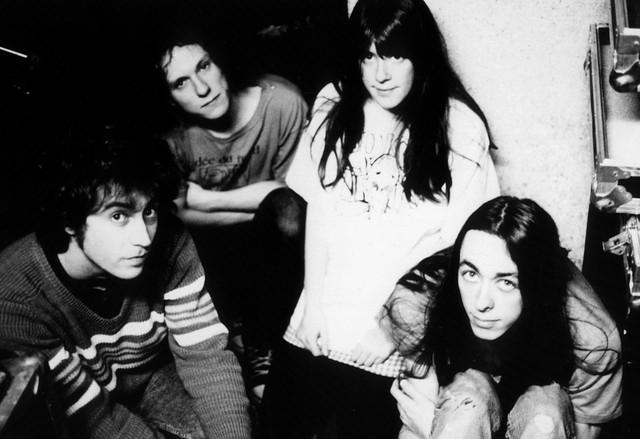
Heatmiser’s Spotify BioActive for a short time in the '90s, Portland, Oregon-based band Heatmiser is best remembered as the band Elliott Smith broke camp with to focus on his solo career, but in a relatively brief timespan they released three studio albums and multiple EPs of their tension-heavy indie rock, defined by the contrast and clashes between Smith's melodic sensibilities and bandmate Neil Gust's darker, harsher songwriting tendencies. While Smith's success as a solo artist often gets the most airtime, other members of the group also went on to have successful music careers long after Heatmiser's demise. Singer/songwriter/guitarist Gust formed the pop/rock band No. 2, while bassist Sam Coomes formed the popular indie pop duo Quasi with his then-wife, Sleater-Kinney drummer Janet Weiss. Drummer Tony Lash, who produced some of Heatmiser's material, went on to do production work with a variety of artists, including the Dandy Warhols, Death Cab for Cutie, and the Minders. Even 30 years after the band… released their 1993 debut Dead Air, interest and curiosity surrounding Heatmiser was strong enough to merit the release of 2023 archival compilation The Music of Heatmiser.
Before forming Heatmiser, Smith and Gust became friends when they both attended college in Massachusetts in the late '80s. There they formed a band called Swimming Jesus, and upon graduating in 1991, both friends relocated to Portland, Oregon and kept making music together in a new band dubbed Heatmiser. With drummer Tony Lash and bassist Brandt Peterson, Heatmiser played locally in the Pacific Northwest and began recording music. After self-releasing a six-song demo cassette in 1992, the band released its debut album, Dead Air, on Frontier Records in 1993. A second album, Cop and Speeder, appeared on Frontier in 1994 as did a five-song EP entitled Yellow No. 5. By 1996, Smith had released two critically acclaimed solo albums and it was becoming clear that Heatmiser was not his first priority.
The Tony Lash-produced Mic City Sons was released in October of that year by the independent label Caroline. By this time, Peterson had left the band and Sam Coomes stepped in as bassist. Hailed by critics as the best Heatmiser record yet, Mic City Sons unfortunately was released as the band was in the process of breaking up. Thus, despite all the makings of a breakthrough effort, Heatmiser split up before the album was released in October of 1996. Smith reported in an interview in 1997 that Heatmiser had signed a contract with Virgin, but an album never materialized. The bandmembers have maintained working professional relationships, appearing on each other's various projects in some capacity. Quasi toured with Elliott Smith in 1997, and both Smith and Coomes contributed to Gust's No. 2 album, which was released in 1999. In 2002, shortly before Smith's death in 2003, he and Gust had discussed getting together to make another Heatmiser album, and even worked on a new song in the studio. After Smith's passing, his legacy only grew. New generations of fans sought out Heatmiser's recordings as pieces of Smith's fascinating evolutionary timeline. In 2023, Third Man Records released The Music of Heatmiser, an archival compilation that included early demos, songs from out-of-print singles, live radio broadcast material, and other rare artifacts from Heatmiser's earliest phases. ~ Scott Sepich & Fred Thomas, Rovi
Viberate is a music analytics platform built for A&Rs, artist managers, labels, booking agents, marketers, and artists.
It helps music professionals track artist growth, analyze audience data, monitor playlist activity, compare artists, follow song performance, and identify opportunities across the music market.
Public artist pages provide a free preview of selected artist data. Paid plans provide access to deeper analytics, historical data, charts, comparisons, playlist tools, exports, alerts, reports, and additional professional features.
Yes. Public Viberate artist pages provide selected artist analytics and music data for free.
Viberate also offers a 7-day free trial of the full platform. A credit card is required to start the trial. The trial includes access to the complete product so users can test deeper artist analytics, historical views, playlist insights, comparisons, charts, exports, alerts, and reporting features before choosing a paid plan.
Viberate provides artist analytics across streaming, playlists, social media, video, radio airplay, songs, and audience markets.
Users can analyze Spotify performance, Spotify and Apple Music playlists, YouTube activity, TikTok and Instagram growth, radio spins, song performance, audience locations, demographics, rankings, and overall artist momentum.
Artist profiles also connect to music charts, similar artists, and comparison tools, helping users benchmark performance and evaluate artists in context.
Viberate updates key artist and track data daily.
For followed artists and tracks, selected data is refreshed multiple times per day. This helps teams monitor playlist changes, streaming movement, audience growth, releases, and campaign performance with more current data.
Update frequency can vary depending on the metric and data source.
Yes. Viberate lets users compare up to five artists side by side across streaming, social media, audience, and engagement metrics.
Users can compare fanbase growth, audience demographics, locations, Spotify performance, social metrics, and other artist data over selected time periods.
Artist comparison can be used for A&R scouting, benchmarking, booking decisions, campaign planning, and evaluating artists with similar audiences or market positions.