Quarterflash

Rock
Pop Rock
 Viberate Rank: 38952
 Viberate Rank: 38952
 Monthly ListenersFollowers
 Subscribers
 Followers
 Followers
 FansTop Spotify Songs
| Track | 7-Day Streams | |
|---|---|---|
1 | 124.69K | |
2 | 8.64K | |
3 | 6.45K | |
4 | 1.60K | |
5 | 1.25K |
Top YouTube VideosMonthly ListenersFeatured in Playlists| Playlist | Followers | |
|---|---|---|
1 |  Années 80 Spotify | 1.18M |
2 | Classic Rock Greatest Hits Scott Pruden | 341.42K |
3 |  Clásicos 80'S & 90'S Cristian Barrera | 137.62K |
4 | I’m an 80’s baby Laura Nardella | 105.93K |
5 |  80's One Hit Wonders Abraham Velazquez | 92.30K |
Audience| City | Monthly Listeners | |
|---|---|---|
1 |  | 5.34K |
2 | | 4.89K |
3 |  | 4.38K |
4 | | 4.20K |
5 |  | 4.09K |
See full performance history, audience data, playlist activity, rankings, comparisons, and more in Viberate music analytics. Start with a free trial, then continue with a paid plan.
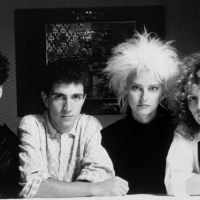
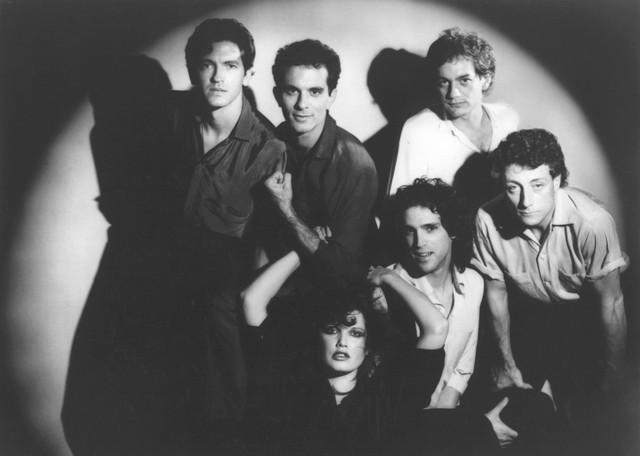
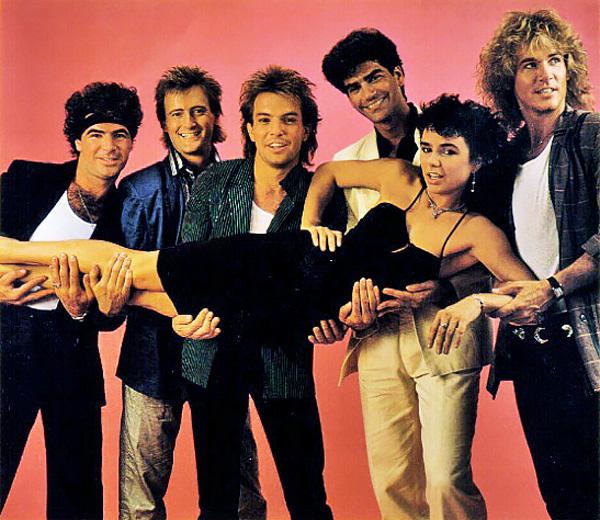
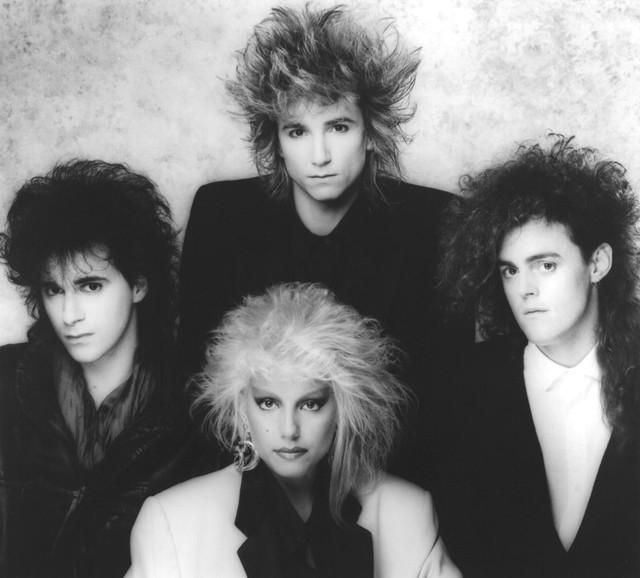
Quarterflash’s Spotify BioThe sax-heavy pop/rock band known as Quarterflash formed in early 1980, joining together two of Oregon's more popular acts: Seafood Mama, which contributed singer/saxophonist Rindy Ross and her guitarist husband Marv; and Pilot, which added guitarist Jack Charles, keyboardist Rick DiGiallonardo, bassist Rich Gooch, and drummer Brian David Willis. The band would release four albums, starting with its 1981 self-titled debut, which sold over two million copies and spawned two of the group's biggest songs, "Harden My Heart," which went to number three on the charts, and the Top 20 hit "Find Another Fool." Subsequent albums would not reach the blockbuster commercial success of their debut, but they continued to sell albums steadily throughout the mid-'80s. Another notable song was "Night Shift," which was the theme for the movie of the same name. They followed up their debut with 1983's Take Another Picture, which produced another Top 20 hit, "Take Me to Heart," as Quarterflash continued… forward with their trademark rock sound. By Girl in the Wind in 1984, the band began to run out of clever hooks and issued just one more album, Back into Blue, in 1985. After recording an unreleased album in 1995, a modified version of the band anchored by the Rosses continued to perform live. ~ Stacia Proefrock, Rovi
Viberate is a music analytics platform built for A&Rs, artist managers, labels, booking agents, marketers, and artists.
It helps music professionals track artist growth, analyze audience data, monitor playlist activity, compare artists, follow song performance, and identify opportunities across the music market.
Public artist pages provide a free preview of selected artist data. Paid plans provide access to deeper analytics, historical data, charts, comparisons, playlist tools, exports, alerts, reports, and additional professional features.
Yes. Public Viberate artist pages provide selected artist analytics and music data for free.
Viberate also offers a 7-day free trial of the full platform. A credit card is required to start the trial. The trial includes access to the complete product so users can test deeper artist analytics, historical views, playlist insights, comparisons, charts, exports, alerts, and reporting features before choosing a paid plan.
Viberate provides artist analytics across streaming, playlists, social media, video, radio airplay, songs, and audience markets.
Users can analyze Spotify performance, Spotify and Apple Music playlists, YouTube activity, TikTok and Instagram growth, radio spins, song performance, audience locations, demographics, rankings, and overall artist momentum.
Artist profiles also connect to music charts, similar artists, and comparison tools, helping users benchmark performance and evaluate artists in context.
Viberate updates key artist and track data daily.
For followed artists and tracks, selected data is refreshed multiple times per day. This helps teams monitor playlist changes, streaming movement, audience growth, releases, and campaign performance with more current data.
Update frequency can vary depending on the metric and data source.
Yes. Viberate lets users compare up to five artists side by side across streaming, social media, audience, and engagement metrics.
Users can compare fanbase growth, audience demographics, locations, Spotify performance, social metrics, and other artist data over selected time periods.
Artist comparison can be used for A&R scouting, benchmarking, booking decisions, campaign planning, and evaluating artists with similar audiences or market positions.