Primus

Metal
Alternative Metal
Funk Rock
Alternative Rock
 Viberate Rank: 5819
 Viberate Rank: 5819
 Monthly ListenersFollowers
 Subscribers
 Followers
 Followers
 FansTop Spotify Songs
| Track | 7-Day Streams | |
|---|---|---|
1 | 343.33K | |
2 | 193.23K | |
3 | 154.59K | |
4 | 146.71K | |
5 | 112.48K |
Top YouTube VideosMonthly ListenersFeatured in Playlists| Playlist | Followers | |
|---|---|---|
1 |  Funk Rock Spotify | 472.14K |
2 |  Kickflip Spotify | 244.13K |
3 | Best '90s Rock Playlist LUMA | 129.09K |
4 | BEST GUITAR SOLOS OF ALL TIME t.riccardo | 95.19K |
5 | 90’s & 2000’s Rock Tanner Thompson | 94.75K |
Audience| City | Monthly Listeners | |
|---|---|---|
1 | | 25.43K |
2 |  | 19.11K |
3 | | 17.89K |
4 | | 17.84K |
5 |  | 16.36K |
See full performance history, audience data, playlist activity, rankings, comparisons, and more in Viberate music analytics. Start with a free trial, then continue with a paid plan.
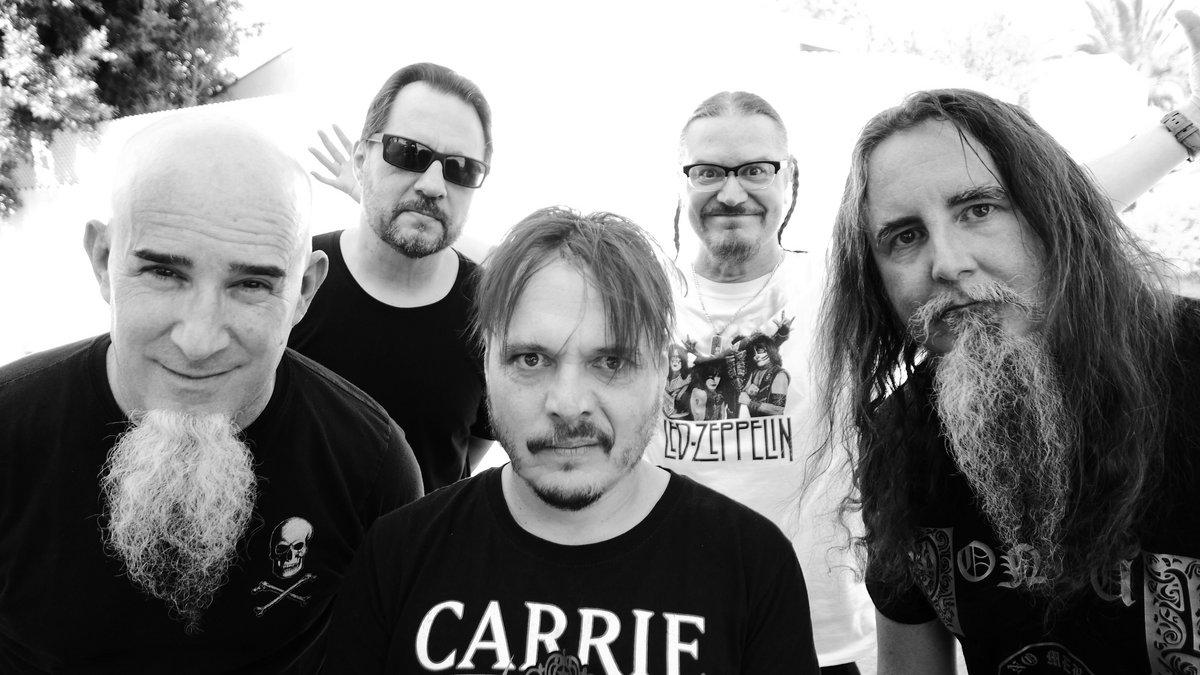
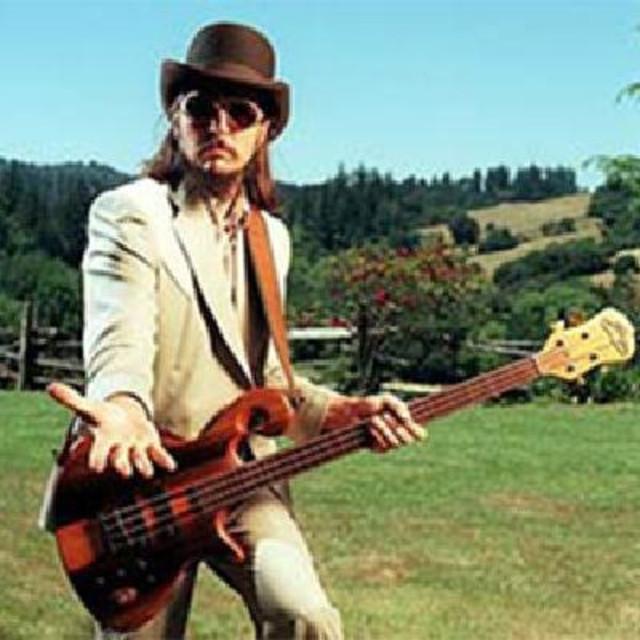
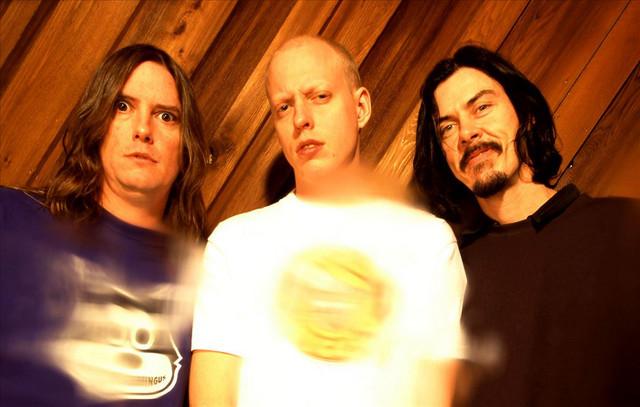
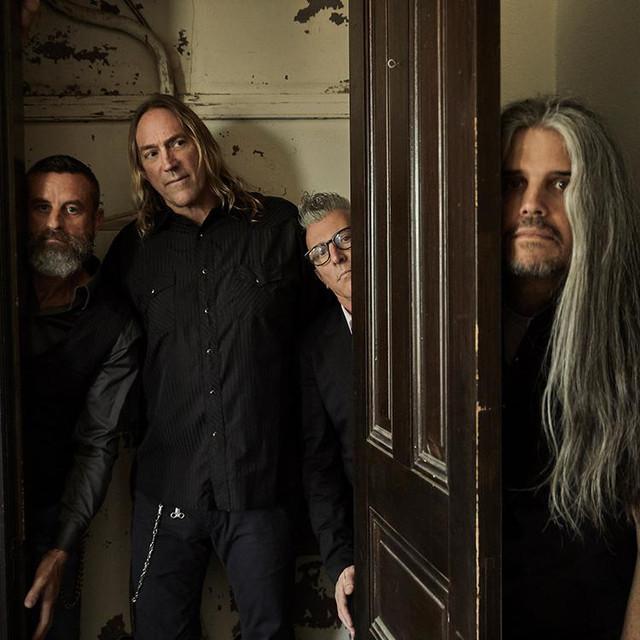
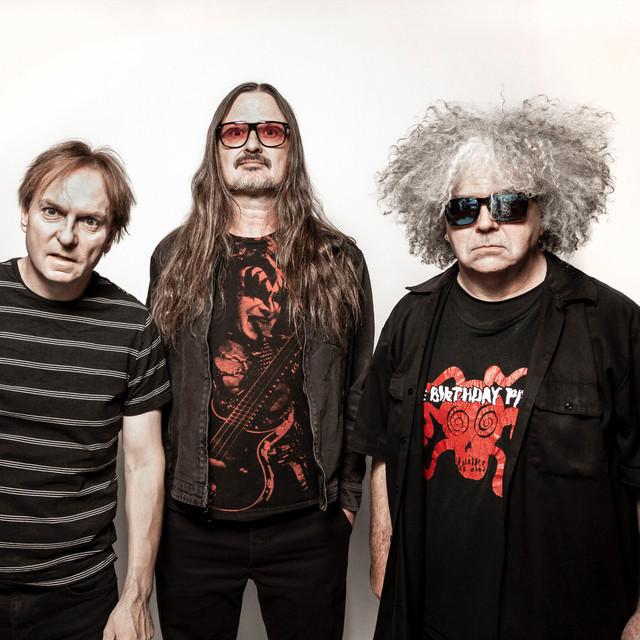
Primus’ Spotify BioA post-punk Rush spiked with the sensibility and humor of Frank Zappa, Primus' songs are often secondary to showcasing their instrumental prowess. Led by elastic bassist and sole constant member Les Claypool, their music is willfully weird and experimental, but it's not alienating; the band was able to turn its goofy weirdness into pop stardom. At first, Primus were strictly an underground phenomenon, but in the years between their third and fourth albums, their cult snowballed. Released in 1991, Sailing the Seas of Cheese found mainstream success and spawned the alt-rock hit "Jerry Was a Race Car Driver." Pork Soda (1993) and Tales from the Punchbowl (1995) received platinum and gold certification, respectively. Citing creative stagnation, the band ceased operations after the release of 1999's Antipop but re-formed as a touring entity in 2010. Since then, Primus has remained active, releasing idiosyncratic efforts like Primus & the Chocolate Factory with the Fungi Ensemble (2014), The… Desaturating Seven (2017), and the EP Conspiranoia (2022), with the core trio of Claypool, guitarist Larry LaLonde, and drummer Tim Alexander.
Primus is all about Les Claypool; there isn't a moment on any of their records where his bass isn't the main focal point of the music, with his vocals acting as a bizarre sideshow. Which isn't to deny guitarist Larry LaLonde or drummer Tim "Herb" Alexander any credit; no drummer could weave in and around Claypool's complicated patterns as effortlessly as Alexander, and few guitarists would willingly push the spotlight away like LaLonde does just to produce a never-ending spiral of avant noise. This means that they are miles away from being another punk-funk combo like the Red Hot Chili Peppers; Claypool may slap and pop his bass, but there is little funk in the rhythm he and Alexander lay down. Formed in El Sobrante, California, in 1984, the band saw multiple lineup changes before releasing their 1989 live LP, Suck on This, and 1990 debut studio album, Frizzle Fry. Their heady blend of art-rock, funk, and heavy metal found favor with the masses the following year with the release of the gold-selling Sailing the Seas of Cheese. 2003's Pork Soda fared even better, earning the band their first platinum certification.
After touring for a year -- including a headlining spot on Lollapalooza 1993 -- Claypool revived his Prawn Song record label in 1994 and released a reunion record by Primus' original lineup under the name Sausage. In the summer of 1995, Primus released their fifth album, Tales from the Punchbowl. It was another success, going gold before the end of the year. In the summer of 1996, Primus announced they were parting ways with their drummer, Tim Alexander. He was replaced by Brian "Brain" Mantia, who made his debut on The Brown Album, was released in the summer of 1997. The covers EP Rhinoplasty followed in 1998, and a year later, Primus returned with Antipop. Antipop was a departure from previous Primus albums, as different producers were used on almost every track (including such notables as Rage Against the Machine's Tom Morello, Limp Bizkit's Fred Durst, Tom Waits, South Park creator Matt Stone, and former Police drummer Stewart Copeland), and it featured such guest artists as Metallica's James Hetfield and former Faith No More guitarist Jim Martin. After a supporting tour wrapped up in 2000, Mantia left the band to join Guns N' Roses. Claypool talked about reuniting with former drummer Tim Alexander in the press, but shortly afterward announced that Primus was going on indefinite hiatus. During the ensuing break, Claypool focused on recording the debut album by his side project, Oysterhead (who also included Copeland and Phish guitarist Trey Anastasio), as well as releasing his two-part solo outing, Live Frogs: Set 1 and Set 2.
The band focused on touring in 2010, when Alexander once again left the band. Claypool and LaLonde turned to former drummer Jay Lane; the band went back into the studio to work on a new full-length. In 2011, Primus released their seventh album, Green Naugahyde. Three years later, the band followed up with Primus & the Chocolate Factory with the Fungi Ensemble, an album that found the band reuniting with drummer Alexander to cover the iconic soundtrack to the 1971 film Willy Wonka and the Chocolate Factory. In 2017 they returned with yet another literary-influenced album, The Desaturating Seven, which was inspired by Italian author Ul de Rico's children's book The Rainbow Goblins. Included on the album was the single "The Seven."
In 2022, the band issued their first new music in five years with the politically charged three-song EP Conspiranoia, which featured the 11-minute title track. Two years later, in anticipation of a tour with Puscifer and A Perfect Circle, Primus contributed "Pablo's Hippos" to the three-way Sessanta E.P.P.P., which featured one new song from each band. ~ Stephen Thomas Erlewine & James Christopher Monger, Rovi
Viberate is a music analytics platform built for A&Rs, artist managers, labels, booking agents, marketers, and artists.
It helps music professionals track artist growth, analyze audience data, monitor playlist activity, compare artists, follow song performance, and identify opportunities across the music market.
Public artist pages provide a free preview of selected artist data. Paid plans provide access to deeper analytics, historical data, charts, comparisons, playlist tools, exports, alerts, reports, and additional professional features.
Yes. Public Viberate artist pages provide selected artist analytics and music data for free.
Viberate also offers a 7-day free trial of the full platform. A credit card is required to start the trial. The trial includes access to the complete product so users can test deeper artist analytics, historical views, playlist insights, comparisons, charts, exports, alerts, and reporting features before choosing a paid plan.
Viberate provides artist analytics across streaming, playlists, social media, video, radio airplay, songs, and audience markets.
Users can analyze Spotify performance, Spotify and Apple Music playlists, YouTube activity, TikTok and Instagram growth, radio spins, song performance, audience locations, demographics, rankings, and overall artist momentum.
Artist profiles also connect to music charts, similar artists, and comparison tools, helping users benchmark performance and evaluate artists in context.
Viberate updates key artist and track data daily.
For followed artists and tracks, selected data is refreshed multiple times per day. This helps teams monitor playlist changes, streaming movement, audience growth, releases, and campaign performance with more current data.
Update frequency can vary depending on the metric and data source.
Yes. Viberate lets users compare up to five artists side by side across streaming, social media, audience, and engagement metrics.
Users can compare fanbase growth, audience demographics, locations, Spotify performance, social metrics, and other artist data over selected time periods.
Artist comparison can be used for A&R scouting, benchmarking, booking decisions, campaign planning, and evaluating artists with similar audiences or market positions.