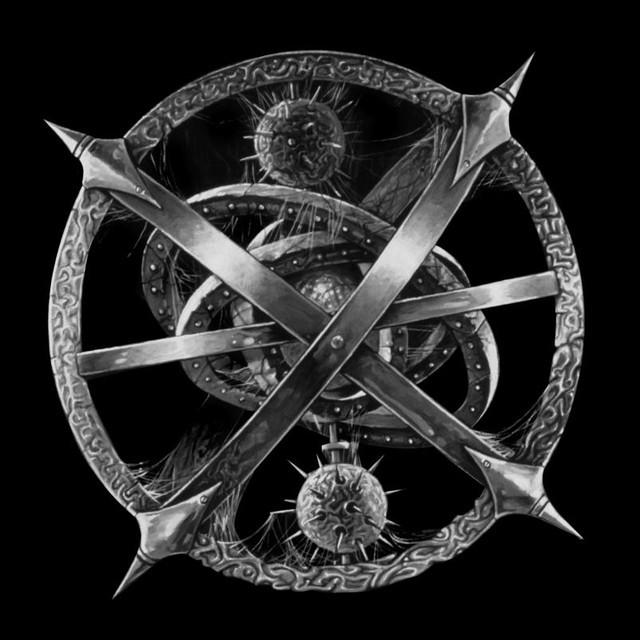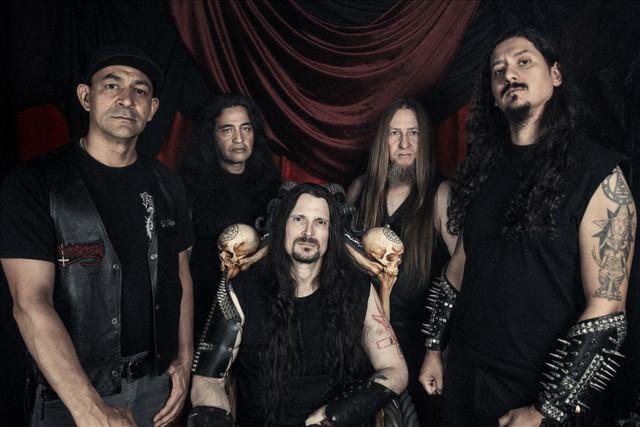
Possessed

Metal
Death Metal
Thrash Metal
 Viberate Rank: 33680
 Viberate Rank: 33680
 Monthly ListenersFollowers
 Subscribers
 Followers
 Followers
 FansTop Spotify Songs
| Track | 7-Day Streams | |
|---|---|---|
1 | 11.78K | |
2 | 7.18K | |
3 | 6.26K | |
4 | 3.72K | |
5 | 3.67K |
Top YouTube VideosMonthly ListenersFeatured in Playlists| Playlist | Followers | |
|---|---|---|
1 |  Death Metal Classics @MansenSankari | 127.47K |
2 |  FENRIZ METAL Gylve | 32.35K |
3 |  SATANIC MUSIC IMBOLC 🧚♂️ | 19.47K |
4 | Metal🤘🏻 Naydil González | 16.46K |
5 |  Heavy Quarantine Knotfest | 15.11K |
Audience| City | Monthly Listeners | |
|---|---|---|
1 |  | 2.16K |
2 |  | 1.54K |
3 |  | 1.30K |
4 |  | 1.27K |
5 | | 853 |
See full performance history, audience data, playlist activity, rankings, comparisons, and more in Viberate music analytics. Start with a free trial, then continue with a paid plan.
Possessed’s Spotify BioAmerican death metal pioneers Possessed are often referred to as the godfathers of the genre, having established themselves as such in 1983 with the creation of a three-song demo simply called Death Metal. Distancing themselves from the crowded Bay Area thrash scene with sheer savagery and the distinct, guttural howl of frontman Jeff Becerra, the band blazed a fiery trail for future death metal enthusiasts with the influential LPs Seven Churches (1985) and Beyond the Gates (1986) before disbanding in 1987. They re-formed in the 2010s and eventually returned to the studio and released their long-awaited third full-length effort, Revelations of Oblivion, in 2019.
True to their name, San Francisco's Possessed seemed cursed by dark and evil forces throughout their troubled career. Formed by guitarist Mike Torrao and drummer Mike Sus in 1983, the group would lose first singer Barry Fisk to suicide before even graduating from garage band status. They persisted, though, and after recruiting… vocalist/bassist Jeff Becerra and guitarist Brian Montana, the band was offered a slot on Brian Slagel's Metal Massacre, Vol. 6 compilation. Possessed's savage sound immediately stood out from the competition and drew the attention of Combat Records, with which they signed in 1985 after replacing Montana with guitarist Larry LaLonde. Issued later that year, the unwaveringly brutal Seven Churches was arguably the first true death metal album and set the stage for the genre's breakaway from thrash. Their second effort, Beyond the Gates, was released, fittingly enough, on Halloween 1986. After recording the five-track EP The Eyes of Horror the following year (produced by LaLonde's guitar teacher Joe Satriani), the band decided to call it quits. Two years later, frontman Becerra was shot during a mugging and left paralyzed from the waist down. He re-formed Possessed in 2007 and played that year's Wacken Open Air festival backed by members of Sadistic Intent. LaLonde would go on to a long career with bassist Les Claypool's bizarro funk-metal trio Primus.
In 2017 Becerra put together a new Possessed lineup and inked a three-album deal with Nuclear Blast. Revelations of Oblivion, the legendary group's first collection of new music in decades, arrived in 2019. ~ James Christopher Monger, Rovi
Viberate is a music analytics platform built for A&Rs, artist managers, labels, booking agents, marketers, and artists.
It helps music professionals track artist growth, analyze audience data, monitor playlist activity, compare artists, follow song performance, and identify opportunities across the music market.
Public artist pages provide a free preview of selected artist data. Paid plans provide access to deeper analytics, historical data, charts, comparisons, playlist tools, exports, alerts, reports, and additional professional features.
Yes. Public Viberate artist pages provide selected artist analytics and music data for free.
Viberate also offers a 7-day free trial of the full platform. A credit card is required to start the trial. The trial includes access to the complete product so users can test deeper artist analytics, historical views, playlist insights, comparisons, charts, exports, alerts, and reporting features before choosing a paid plan.
Viberate provides artist analytics across streaming, playlists, social media, video, radio airplay, songs, and audience markets.
Users can analyze Spotify performance, Spotify and Apple Music playlists, YouTube activity, TikTok and Instagram growth, radio spins, song performance, audience locations, demographics, rankings, and overall artist momentum.
Artist profiles also connect to music charts, similar artists, and comparison tools, helping users benchmark performance and evaluate artists in context.
Viberate updates key artist and track data daily.
For followed artists and tracks, selected data is refreshed multiple times per day. This helps teams monitor playlist changes, streaming movement, audience growth, releases, and campaign performance with more current data.
Update frequency can vary depending on the metric and data source.
Yes. Viberate lets users compare up to five artists side by side across streaming, social media, audience, and engagement metrics.
Users can compare fanbase growth, audience demographics, locations, Spotify performance, social metrics, and other artist data over selected time periods.
Artist comparison can be used for A&R scouting, benchmarking, booking decisions, campaign planning, and evaluating artists with similar audiences or market positions.