Morbid Saint

Metal
Thrash Metal
Death Metal
 Viberate Rank: 101350
 Viberate Rank: 101350
 Monthly ListenersFollowers
 Subscribers
 Followers
 Followers
 FansTop Spotify Songs
| Track | 7-Day Streams | |
|---|---|---|
1 | 9.46K | |
2 | 6.51K | |
3 | 5.88K | |
4 | 5.77K | |
5 | 3.14K |
Top YouTube VideosMonthly ListenersFeatured in Playlists| Playlist | Followers | |
|---|---|---|
1 |  Thrashers Spotify | 586.86K |
2 |  Death Metal Classics @MansenSankari | 127.47K |
3 | Best of Trash Metal Lomprdik | 86.64K |
4 |  The Sound of Everything The Sounds of Spotify | 53.81K |
5 |  FENRIZ METAL Gylve | 32.35K |
Audience| City | Monthly Listeners | |
|---|---|---|
1 |  | 1.60K |
2 |  | 892 |
3 |  | 840 |
4 |  | 817 |
5 | | 734 |
See full performance history, audience data, playlist activity, rankings, comparisons, and more in Viberate music analytics. Start with a free trial, then continue with a paid plan.
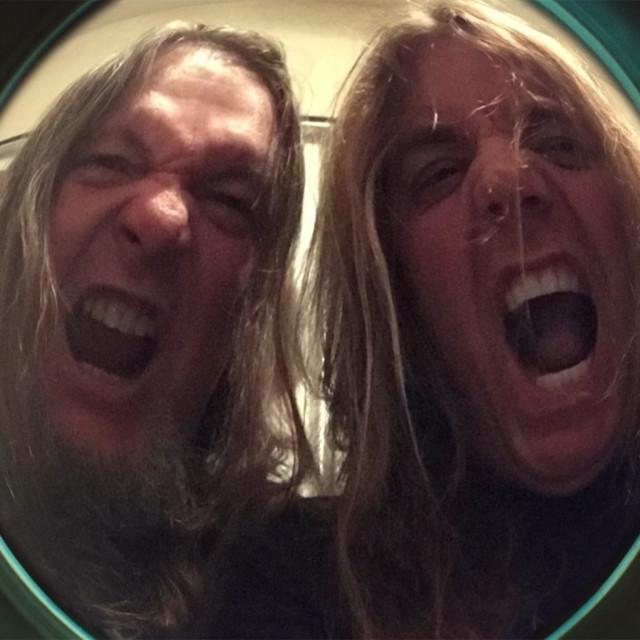
Morbid Saint’s Spotify BioA well-kept secret to all but the most loyal crate-diggers, Morbid Saint helped build a framework in the ‘80s for modern death metal. Thanks to a groundswell of fandom outside the U.S., they have since gained the attention of their peers, and reunited in the 21st century to continue their work.
Founded in Sheboygan, Wisconsin in 1984, Morbid Saint began life as a cover band specializing in Judas Priest, Iron Maiden, Black Sabbath, and the like. By 1988, the group -- founding members Jay Visser (guitar), Jim Fergades (guitar), and Lee Reynolds (drums), plus singer Pat Lind and bassist Tony Paletti -- had honed enough original material to put together a demo tape called Lock Up Your Children. Though no major label took the bait, a Mexican label issued it in 1989 under the title Spectrum of Death, where audiences outside the U.S. began to notice similarities to thrash metal acts like Slayer and Kreator.
A second demo, Destruction System, was put together by the band in 1992, with Gary… Beimel replacing Paletti on bass. It, too, failed to attract mainstream attention, and Morbid Saint broke up in 1994. But Spectrum of Death's reputation was starting to become impossible to ignore among metal connoisseurs, leading to a release in Europe in 2006. In 2010, the lineup of Visser, Fergades, Lind, new bassist Bob Zabel, and drummer Chris Jacobs assembled for a series of festival dates. Relapse Records reissued Spectrum of Death in 2012; a live album recorded in Beijing, Beyond the States of Hell, was released in 2014, and an official release of Destruction System followed in 2015.
After years of recording with rotating personnel, the lineup was solidified anew in 2022, featuring Visser, Fergades, Lind, Zabel and drummer DJ Bagemehl. This quintet wrote and recorded Swallowed by Hell, their first proper studio album, which was released in 2024. ~ Mike Duquette, Rovi
Viberate is a music analytics platform built for A&Rs, artist managers, labels, booking agents, marketers, and artists.
It helps music professionals track artist growth, analyze audience data, monitor playlist activity, compare artists, follow song performance, and identify opportunities across the music market.
Public artist pages provide a free preview of selected artist data. Paid plans provide access to deeper analytics, historical data, charts, comparisons, playlist tools, exports, alerts, reports, and additional professional features.
Yes. Public Viberate artist pages provide selected artist analytics and music data for free.
Viberate also offers a 7-day free trial of the full platform. A credit card is required to start the trial. The trial includes access to the complete product so users can test deeper artist analytics, historical views, playlist insights, comparisons, charts, exports, alerts, and reporting features before choosing a paid plan.
Viberate provides artist analytics across streaming, playlists, social media, video, radio airplay, songs, and audience markets.
Users can analyze Spotify performance, Spotify and Apple Music playlists, YouTube activity, TikTok and Instagram growth, radio spins, song performance, audience locations, demographics, rankings, and overall artist momentum.
Artist profiles also connect to music charts, similar artists, and comparison tools, helping users benchmark performance and evaluate artists in context.
Viberate updates key artist and track data daily.
For followed artists and tracks, selected data is refreshed multiple times per day. This helps teams monitor playlist changes, streaming movement, audience growth, releases, and campaign performance with more current data.
Update frequency can vary depending on the metric and data source.
Yes. Viberate lets users compare up to five artists side by side across streaming, social media, audience, and engagement metrics.
Users can compare fanbase growth, audience demographics, locations, Spotify performance, social metrics, and other artist data over selected time periods.
Artist comparison can be used for A&R scouting, benchmarking, booking decisions, campaign planning, and evaluating artists with similar audiences or market positions.