Dark Angel

Metal
Thrash Metal
 Viberate Rank: 68058
 Viberate Rank: 68058
 Monthly ListenersFollowers
 Subscribers
 Followers
 Followers
 FansTop Spotify Songs
| Track | 7-Day Streams | |
|---|---|---|
1 | 15.24K | |
2 | 8.94K | |
3 | 6.20K | |
4 | 3.80K | |
5 | 2.86K |
Top YouTube VideosMonthly ListenersFeatured in Playlists| Playlist | Followers | |
|---|---|---|
1 |  Thrashers Spotify | 586.86K |
2 | Best of Trash Metal Lomprdik | 86.64K |
3 |  FENRIZ METAL Gylve | 32.35K |
4 |  Quarantine Megadeth | 17.08K |
5 |  Keep calm and listen trash metal 🤟😛 rockpepper-br | 12.20K |
Audience| City | Monthly Listeners | |
|---|---|---|
1 |  | 2.84K |
2 |  | 1.43K |
3 |  | 1.13K |
4 |  | 965 |
5 | | 874 |
See full performance history, audience data, playlist activity, rankings, comparisons, and more in Viberate music analytics. Start with a free trial, then continue with a paid plan.
Dark Angel’s Spotify BioDark Angel became known in thrash metal circles for their ability to deliver some of the genre's most challenging and articulate albums without ever losing touch with its core attributes of pure speed and primal aggression. And although, like many of their peers, the band's appeal would never really extend beyond the metal underground, their recorded legacy has stood the test of time much better than the bulk of their '80s thrash metal peers.
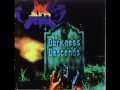
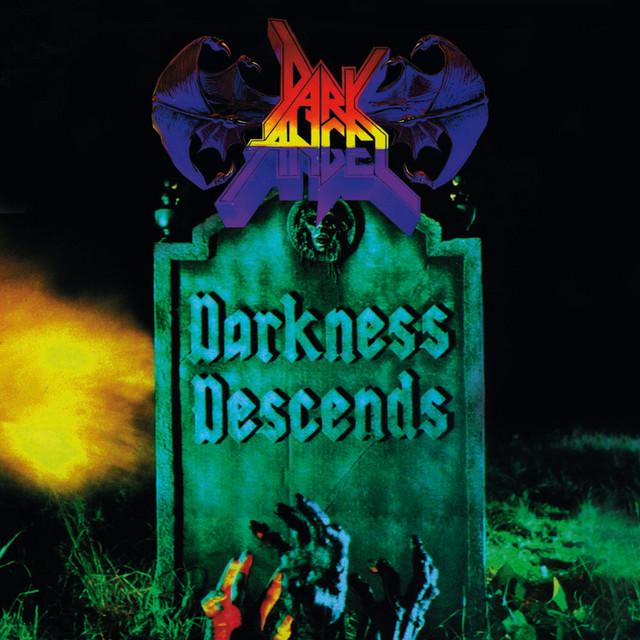
Formed in Los Angeles in 1983, Dark Angel went through countless incarnations before settling on a somewhat stable lineup featuring vocalist Don Doty, guitarists Eric Meyer and Jim Durkin, bassist Rob Yahn, and drummer Jack Schwartz. After having one of their demos, "Welcome to the Slaughterhouse," chosen for inclusion on Brian Slagel's Metal Massacre IV collection in 1985, the group proceeded to assemble their remaining demo tapes into a primitive but enthusiastic first album called We Have Arrived, released later that year. New drummer Gene… Hoglan joined the band in time to be pictured on the album sleeve, but he made his performance debut on 1986's much improved Darkness Descends, released by thrash metal-friendly Combat Records and usually viewed by fans as the band's true arrival. Bassist Yahn would depart shortly after the album's release (replaced by Mike Gonzalez), soon to be followed by original vocalist Doty at tour's end.
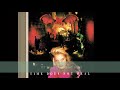
Unsure about their next step, Dark Angel undertook a long hiatus before resurfacing with drummer Hoglan firmly entrenched as the band's major creative force. After drafting new vocalist Ron Rinehart, they recorded 1989's Leave Scars, the first of two albums that earned them the unlikely label of progressive thrash due to the longer, more complex songs the band had begun composing. Recorded in April 1989 and released later that year, Live Scars introduced new six-stringer Brett Eriksen, who had recently replaced Durkin, and documented the group's ferocious live energy. Another extended break ensued before the recording of what is arguably their finest effort, 1991's Time Does Not Heal. Hailed by critics for the sheer creative scope of its ambitious songwriting, the album was considered the last word on technical thrash metal, but arrived at the end of thrash metal's time in the limelight and sold poorly. The departure of Rinehart soon thereafter convinced Hoglan to break up the band, and he eventually joined Florida's Death and contributed to some of their finest albums. Relativity Records issued a collection of Dark Angel's finest moments, Decade of Chaos, in 1992. Guitarist Jim Durkin died on March 9, 2023 at the age of 58. ~ Eduardo Rivadavia, Rovi
Viberate is a music analytics platform built for A&Rs, artist managers, labels, booking agents, marketers, and artists.
It helps music professionals track artist growth, analyze audience data, monitor playlist activity, compare artists, follow song performance, and identify opportunities across the music market.
Public artist pages provide a free preview of selected artist data. Paid plans provide access to deeper analytics, historical data, charts, comparisons, playlist tools, exports, alerts, reports, and additional professional features.
Yes. Public Viberate artist pages provide selected artist analytics and music data for free.
Viberate also offers a 7-day free trial of the full platform. A credit card is required to start the trial. The trial includes access to the complete product so users can test deeper artist analytics, historical views, playlist insights, comparisons, charts, exports, alerts, and reporting features before choosing a paid plan.
Viberate provides artist analytics across streaming, playlists, social media, video, radio airplay, songs, and audience markets.
Users can analyze Spotify performance, Spotify and Apple Music playlists, YouTube activity, TikTok and Instagram growth, radio spins, song performance, audience locations, demographics, rankings, and overall artist momentum.
Artist profiles also connect to music charts, similar artists, and comparison tools, helping users benchmark performance and evaluate artists in context.
Viberate updates key artist and track data daily.
For followed artists and tracks, selected data is refreshed multiple times per day. This helps teams monitor playlist changes, streaming movement, audience growth, releases, and campaign performance with more current data.
Update frequency can vary depending on the metric and data source.
Yes. Viberate lets users compare up to five artists side by side across streaming, social media, audience, and engagement metrics.
Users can compare fanbase growth, audience demographics, locations, Spotify performance, social metrics, and other artist data over selected time periods.
Artist comparison can be used for A&R scouting, benchmarking, booking decisions, campaign planning, and evaluating artists with similar audiences or market positions.