Pinback

Rock
Indie Rock
Alternative Rock
 Viberate Rank: 53974
 Viberate Rank: 53974
 Monthly ListenersFollowers
 Subscribers
 Followers
 Followers
 FansTop Spotify Songs
| Track | 7-Day Streams | |
|---|---|---|
1 | 53.28K | |
2 | 47.44K | |
3 | 42.79K | |
4 | 31.20K | |
5 | 30.11K |
Top YouTube Videos| Video | 7-Day Views | |
|---|---|---|
1 | 1.17K | |
2 | 618 | |
3 | 229 | |
4 | 139 | |
5 | 121 |
Monthly ListenersFeatured in Playlists| Playlist | Followers | |
|---|---|---|
1 |  The OC Soundtrack [All Seasons Playlist] Solitude Collective | 138.11K |
2 | indie chris | 82.91K |
3 | While You Work (@whileyouwork) Eli Feghali | 81.75K |
4 | Indie Sleaze Bangers Yolanda Carmen Perez | 79.55K |
5 | Gossip Girl (s1-6) Soundtrack Ashley Simoneaux | 68.75K |
Audience| City | Monthly Listeners | |
|---|---|---|
1 | | 10.74K |
2 | | 8.67K |
3 | | 8.23K |
4 | | 6.71K |
5 | | 6.65K |
See full performance history, audience data, playlist activity, rankings, comparisons, and more in Viberate music analytics. Start with a free trial, then continue with a paid plan.
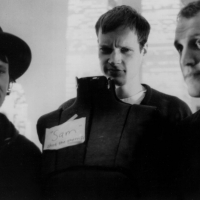
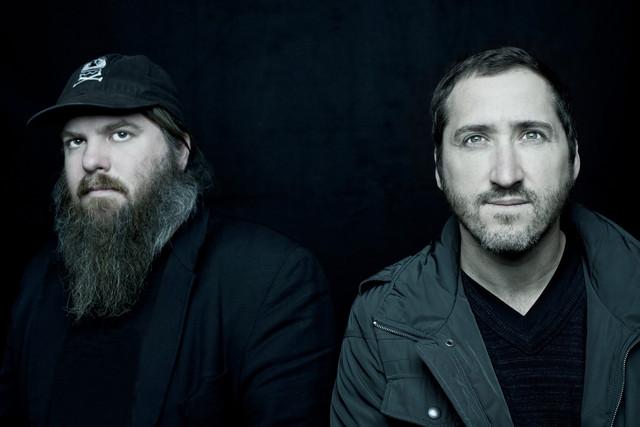
Pinback’s Spotify BioWhile a rotating cast of instrumentalists finds loose assembly under the Pinback name, the partnership of Armistead Burwell Smith IV and Rob Crow is at the heart of the some of the most complex, postmodern indie pop happening on the West Coast. In the first few days of 1998, Smith (of San Diego-based Three Mile Pilot) and Crow (of Thingy and Heavy Vegetable) formed a part-time recording project under the name Pinback. The simple plan grew more involved while Three Mile Pilot took an indefinite hiatus and Crow put a number of his musical projects on hold. Recording on Smith's home computer, the duo enlisted Three Mile Pilot drummer Tom Zinsor, and by the following August, Pinback had finished recording 14 songs of delicate, canonic pop that was tentatively slated for release on San Diego's Vinyl Communications. However, when interest in the band skyrocketed after a Tim/Kerr label showcase at the North by Northwest Music Festival, the record got tied up in a bidding war that caused a… slew of contractual problems and held the record in limbo for almost a full year.
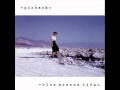
When they were eventually cleared from all former obligations, Pinback finally signed with New Jersey's Ace Fu Records, which released their eponymous debut in early 1999, almost a full year after it was recorded. With their long histories in West Coast indie circles and the marriage of the players' diverse musical backgrounds, Pinback scored immediate critical success. The Some Voices EP that followed the next year on Tree Records displayed a slightly more lo-fi and elemental side of Pinback while building on the intelligently constructed songcraft of their eponymous debut. Blue Screen Life, the band's second studio effort, exuded something more musically pure. Gone was the frilly rock nonsense; instead, Pinback went for more of a melodic nature with classic indie flair.
Pinback made their Touch & Go debut in fall 2004 with Summer in Abaddon, which saw the bandmembers continue slowly to push themselves a bit further with complex song structures while maintaining their indie pop sensibilities. Two years later, the band issued Nautical Antiques, a collection of rarities and B-sides spanning from 1998 to 2001. Their second album for Touch & Go, Autumn of the Seraphs, followed in 2007. Though it would be five years before Pinback followed up, their 2012 album, Information Retrieved, found them easily settling into their melodic groove. In 2015, Crow announced his intent to severely reduce his musical activities following the completion of in-progress recordings. ~ Nate Cavalieri, Rovi
Viberate is a music analytics platform built for A&Rs, artist managers, labels, booking agents, marketers, and artists.
It helps music professionals track artist growth, analyze audience data, monitor playlist activity, compare artists, follow song performance, and identify opportunities across the music market.
Public artist pages provide a free preview of selected artist data. Paid plans provide access to deeper analytics, historical data, charts, comparisons, playlist tools, exports, alerts, reports, and additional professional features.
Yes. Public Viberate artist pages provide selected artist analytics and music data for free.
Viberate also offers a 7-day free trial of the full platform. A credit card is required to start the trial. The trial includes access to the complete product so users can test deeper artist analytics, historical views, playlist insights, comparisons, charts, exports, alerts, and reporting features before choosing a paid plan.
Viberate provides artist analytics across streaming, playlists, social media, video, radio airplay, songs, and audience markets.
Users can analyze Spotify performance, Spotify and Apple Music playlists, YouTube activity, TikTok and Instagram growth, radio spins, song performance, audience locations, demographics, rankings, and overall artist momentum.
Artist profiles also connect to music charts, similar artists, and comparison tools, helping users benchmark performance and evaluate artists in context.
Viberate updates key artist and track data daily.
For followed artists and tracks, selected data is refreshed multiple times per day. This helps teams monitor playlist changes, streaming movement, audience growth, releases, and campaign performance with more current data.
Update frequency can vary depending on the metric and data source.
Yes. Viberate lets users compare up to five artists side by side across streaming, social media, audience, and engagement metrics.
Users can compare fanbase growth, audience demographics, locations, Spotify performance, social metrics, and other artist data over selected time periods.
Artist comparison can be used for A&R scouting, benchmarking, booking decisions, campaign planning, and evaluating artists with similar audiences or market positions.