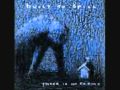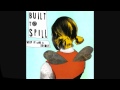
Built To Spill

Rock
Indie Rock
Alternative Rock
Indie Pop
 Viberate Rank: 23235
 Viberate Rank: 23235
 Monthly ListenersFollowers
 Subscribers
 Followers
 Followers
 FansTop Spotify Songs
| Track | 7-Day Streams | |
|---|---|---|
1 | 139.51K | |
2 | 57.39K | |
3 | 38.19K | |
4 | 37.35K | |
5 | 32.23K |
Top YouTube Videos| Video | 7-Day Views | |
|---|---|---|
1 | 211 | |
2 | 118 | |
3 | 109 | |
4 | 95 | |
5 | 75 |
Monthly ListenersFeatured in Playlists| Playlist | Followers | |
|---|---|---|
1 |  Early Alternative Spotify | 1.28M |
2 |  Essential Alternative Spotify | 846.73K |
3 |  Thrifted Spotify | 325.91K |
4 |  Dive Bar Anthems Spotify | 257.15K |
5 | While You Work (@whileyouwork) Eli Feghali | 81.75K |
Audience| City | Monthly Listeners | |
|---|---|---|
1 | | 14.64K |
2 | | 14.06K |
3 | | 14.02K |
4 | | 10.81K |
5 | | 10.27K |
See full performance history, audience data, playlist activity, rankings, comparisons, and more in Viberate music analytics. Start with a free trial, then continue with a paid plan.
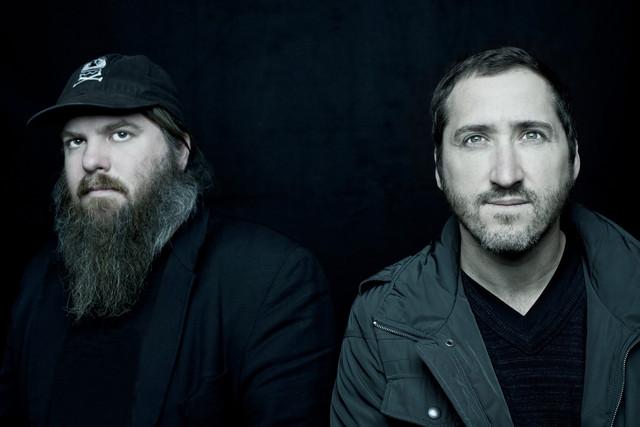
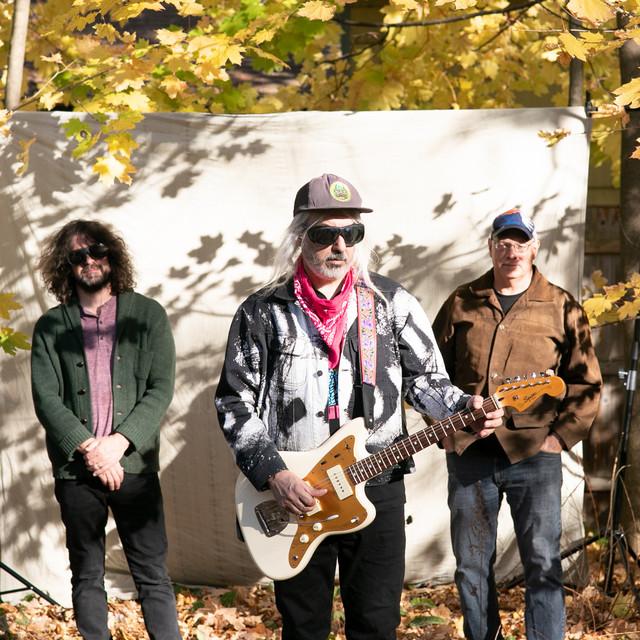
Built To Spill’s Spotify BioThe Boise, Idaho-based indie rock band Built to Spill meet in the middle ground between postmodern, Pavement-style pop and the loose, spacious jamming of Neil Young. The group is a vehicle for singer/songwriter/guitarist Doug Martsch, who -- heavily inspired by Dinosaur Jr.'s J Mascis -- helped keep the concept of the indie guitar hero alive. On record, Martsch the arranger crafted intricate, artfully knotted tangles of guitar; in concert, his rough-edged soloing heroics earned Built to Spill a reputation as an exciting and unpredictable live act. Their early records betrayed some punk scrappiness around the edges, but as Martsch's songwriting matured, he was able to crank out complicated, emotionally wracked songs that melted hearts as easily as they did speakers. The artistic success of 1994's There's Nothing Wrong with Love led to the band signing a deal with Warner Bros., where they released a string of albums highlighted by alt-rock classics Perfect from Now On and Keep It Like a… Secret. As the '90s receded in the rearview mirror, the band kept going strong. Through numerous lineup changes and a shifting musical landscape, Martsch stayed true to his roots, and records like 2015's Untethered Moon and 2022's When the Wind Forgets Your Name sound remarkably similar to early works, only with an added element of maturity.
The band formed in Boise, Idaho, in 1993, shortly after Martsch had departed the Boise-rooted, Seattle-based Treepeople. Martsch had grown up in Twin Falls, Idaho, where he formed his first band, Farm Days, with bassist Brett Nelson and drummer Andy Capps while in high school during the mid-'80s. After moving to Boise, Martsch hooked up with former members of the local hardcore punk band State of Confusion to form Treepeople, which relocated to Seattle in 1988. There they signed with the local indie C/Z and issued several albums and EPs that offered a distinctive take on early Northwestern grunge. Eventually tiring of the band's far-ranging touring commitments, Martsch departed after 1993's Just Kidding album, and despite the continuing boom of the Seattle scene, he returned to Boise to refresh himself.
Martsch formed the first incarnation of Built to Spill with bassist/guitarist Brett Netson (also a member of Boise scenesters Caustic Resin) and drummer Ralf Youtz. Initially maintaining a relationship with C/Z, Built to Spill debuted on record in 1993 with Ultimate Alternative Wavers, on which Martsch billed himself as "Dug." Afterward, he moved the band over to another Seattle indie, Up Records, and revamped the rhythm section, in keeping with his plan to make Built to Spill a loose aggregation that would allow him to work with a variety of musicians. This time, he was joined by bassist Brett Nelson (not Netson, but his old cohort from Farm Days) and drummer Andy Capps (also from Farm Days, who'd joined Nelson in a group called Butterfly Train).
Accompanied by cellist John McMahon and guest spots from several ex-Treepeople, Built to Spill scored a creative breakthrough with 1994's acclaimed There's Nothing Wrong with Love. With the help of producer/engineer Phil Ek, who would become the band's regular collaborator, Martsch's fragmentary songwriting aesthetic and detailed arrangements really hit their stride, resulting in a minor gem of quirky indie guitar pop. The same year, Martsch formed a side project with Beat Happening frontman and K Records honcho Calvin Johnson, and they recorded the first of three albums as the Halo Benders. Martsch formed a new lineup of Built to Spill with former Lync rhythm section James Bertram (bass) and Dave Schneider (drums), but this incarnation existed only for a series of live gigs in America and Europe during 1995, which included a stint on the second stage of that summer's Lollapalooza tour.
The positive response to There's Nothing Wrong with Love -- coupled with the increased exposure of Lollapalooza -- helped create a buzz around Built to Spill, and before 1995 was out, Martsch inked a deal with Warner Bros. that promised a good amount of creative control. In the meantime, he and Brett Nelson reunited with Brett Netson and several other members of Caustic Resin for a collaborative (not split) EP on Up, titled Built to Spill Caustic Resin. In early 1996, K Records issued a compilation of rarities and outtakes, The Normal Years, that spanned 1993 to 1995 and featured work by most of the band's lineups.
Martsch then turned his attention to recording Built to Spill's major-label debut. At first, he started working with drummer Peter Lansdowne and no bassist, but he found that the chemistry was wrong for the more expansive songs he was trying to write. He brought back Brett Nelson and recruited former Spinanes drummer Scott Plouf, and re-recorded most of the album, only to have the master tapes damaged. The third re-recording was the charm, and featured guest guitar work by Brett Netson to boot. Finally released in 1997, Perfect from Now On was a set of longer, moodier songs that once again earned positive reviews, and substantially expanded the band's growing fan base.
Tired of continually reteaching the group's repertoire, Martsch subsequently made Nelson and Plouf permanent members of Built to Spill. Material for their next album was, for the first time, worked out through collaborative effort in (mostly) full-band jam sessions. Despite those origins, Keep It Like a Secret emerged as the tightest batch of songs on any Built to Spill record yet, and was greeted with some of their most enthusiastic reviews to date when it appeared in 1999; it also became their first to reach the pop charts. New supporting group member Sam Coomes -- also of Quasi, formerly of Heatmiser -- contributed keyboard work. In response to demand from fans, the Live album was culled from the supporting tour, featuring additional guitar work from Brett Netson and longtime band cohort Jim Roth; assembled from three different gigs by Ek, it was released in 2000.
The proper studio follow-up to Keep It Like a Secret arrived with 2001's Ancient Melodies of the Future; critical responses ranged from enthusiasm to indifference. The following year, Martsch took a breather to release Now You Know, a solo album on which he delved into more traditional folk and blues. After a long break from releasing records, the revamped group (now a quartet comprising Martsch, Nelson, Plouf, and Roth with additional help from the guitar-playing Brett Netson) stormed back with one of the finest albums of their career, 2006's You in Reverse. Built to Spill resumed touring just after its release, and began recording their next LP later that year, although the results came in the form of a single, 2007's "They Got Away." The band entered the studio once again in 2008, recording There Is No Enemy with production from Martsch and David Trumfio. The album appeared in October 2009, and the group spent some time touring behind it. They next appeared on a tribute album to the Smiths (Please, Please, Please), covering "Reel Around the Fountain."
While in the early stages of recording their next album, Plouf and Nelson quit the band and their roadie Jason Albertini (otherwise known as a former member of Duster) joined on bass, while their live sound engineer, Steve Gere, became their drummer. Built to Spill then scrapped what had already been recorded, starting over with the new lineup and Sam Coomes co-producing with Martsch. Still with Warner Bros. after many years, the label released the band's eighth studio album, Untethered Moon, in early 2015. After the group finished touring behind the record, Martsch decided to overhaul the lineup. The trio of Martsch, Albertini, and Gere embarked on a West Coast tour in 2016, and in 2018 were lucky enough to serve as Daniel Johnston's backing band for two shows. (An album of covers with Martsch on vocals was released two years later under the name Plays the Songs of Daniel Johnston.)
Around this time, Martsch decided to junk what little continuity the band could muster and shifted to a revolving bandmember setup, adding supporting musicians as needed. When he was putting together a backing band for a series of shows in Brazil, he found two fans of Built to Spill -- Le Almeida and João Casaes of the band Oruã -- to back him on bass and drums, respectively. The experience went well enough that the pair stuck around for a 2019 tour celebrating the 20th anniversary of Keep It Like a Secret. That trio also recorded an album's worth of songs, with Almeida and Casaes laying down rhythm tracks and Martsch handling guitars and vocal overdubs. The record was mixed remotely, and once it was finished it was released by Sub Pop -- the group's first for the venerable label. When the Wind Forgets Your Name arrived in late 2022 and featured all the hallmarks of classic Built to Spill albums, from Martsch's keening vocals to a bracing mix of jangling and overloaded guitars. ~ Steve Huey & Tim Sendra, Rovi
Viberate is a music analytics platform built for A&Rs, artist managers, labels, booking agents, marketers, and artists.
It helps music professionals track artist growth, analyze audience data, monitor playlist activity, compare artists, follow song performance, and identify opportunities across the music market.
Public artist pages provide a free preview of selected artist data. Paid plans provide access to deeper analytics, historical data, charts, comparisons, playlist tools, exports, alerts, reports, and additional professional features.
Yes. Public Viberate artist pages provide selected artist analytics and music data for free.
Viberate also offers a 7-day free trial of the full platform. A credit card is required to start the trial. The trial includes access to the complete product so users can test deeper artist analytics, historical views, playlist insights, comparisons, charts, exports, alerts, and reporting features before choosing a paid plan.
Viberate provides artist analytics across streaming, playlists, social media, video, radio airplay, songs, and audience markets.
Users can analyze Spotify performance, Spotify and Apple Music playlists, YouTube activity, TikTok and Instagram growth, radio spins, song performance, audience locations, demographics, rankings, and overall artist momentum.
Artist profiles also connect to music charts, similar artists, and comparison tools, helping users benchmark performance and evaluate artists in context.
Viberate updates key artist and track data daily.
For followed artists and tracks, selected data is refreshed multiple times per day. This helps teams monitor playlist changes, streaming movement, audience growth, releases, and campaign performance with more current data.
Update frequency can vary depending on the metric and data source.
Yes. Viberate lets users compare up to five artists side by side across streaming, social media, audience, and engagement metrics.
Users can compare fanbase growth, audience demographics, locations, Spotify performance, social metrics, and other artist data over selected time periods.
Artist comparison can be used for A&R scouting, benchmarking, booking decisions, campaign planning, and evaluating artists with similar audiences or market positions.