Pickettywitch

Rock
Pop Rock
Mainstream Pop
 Viberate Rank: 213944
 Viberate Rank: 213944
 Monthly ListenersFollowers
 Subscribers
 Followers
 Followers
 FansTop Spotify Songs
| Track | 7-Day Streams | |
|---|---|---|
1 | 5.68K | |
2 | 639 | |
3 | 598 | |
4 | 198 | |
5 | 65 |
Top YouTube VideosMonthly ListenersFeatured in Playlists| Playlist | Followers | |
|---|---|---|
1 | Jaren 60 en 70 teuntje60 | 17.65K |
2 | 70s Music Dawn | 13.98K |
3 |  70s - NOW 100 Hits Forgotten 70s NOW That’s What I Call Music! | 5.78K |
4 |  Sunday chill... Romare | 5.41K |
5 |  Jackie The Album Bobby Doolan | 3.76K |
Audience| City | Monthly Listeners | |
|---|---|---|
1 | | 681 |
2 | | 456 |
3 |  | 322 |
4 |  | 249 |
5 | | 244 |
See full performance history, audience data, playlist activity, rankings, comparisons, and more in Viberate music analytics. Start with a free trial, then continue with a paid plan.
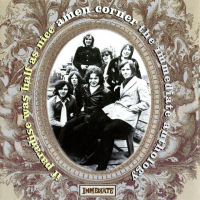
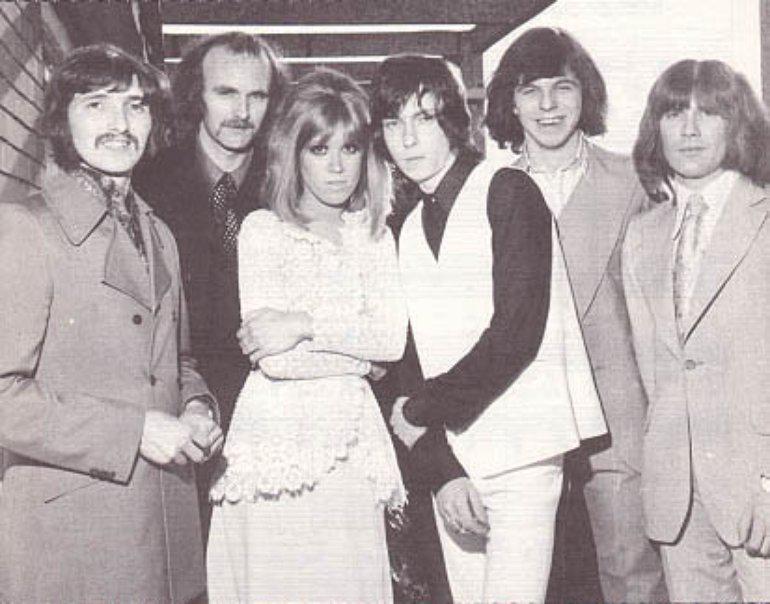
Pickettywitch’s Spotify BioPickettywitch was a recording outfit that was very much of a piece with the Tremeloes, Edison Lighthouse, and Paper Lace, its history sandwiched directly between those renowned pop/rock outfits of the 1960s and 1970s. If they're not as well-known as those other outfits, then it's because they were never blessed with an international hit; but, in England, "That Same Old Feeling" -- a product of the Macaulay-Macleod songwriting team, best remembered for their work with the Foundations -- made the Top Five. Never really a "rock" band in the sense of having a terribly heavy or powerful sound, both the group and their records sounded like a cabaret act from the get-go. Their history dates back to 1969, with a disastrous effort at forming a mixed music-and-dance performing ensemble: vocalist Polly Browne (whose name is sometimes misspelled "Brown") and four of the other members of this outfit, guitarist Dave Martyr, bassist Martin Bridges, keyboardman Bob Brittain, and drummer Keith Hull,… departed the rather Spartan and chaotic rehearsal conditions established by their would-be manager and decided to try and form a quintet. With a new manager aboard and vocalist Chris Warren added to the lineup, the sextet began months of rehearsals and auditions before potential record labels and producers, working out an act that included lots of highly choreographed moves. The name Pickettywitch came from a Cornish village through which Browne had passed with her sister.
Pickettywitch was signed by producer John Macleod to Pye Records and got out a single, "You've Got Me So I Don't Know" b/w "Solomon Grundy," in July of 1969. It never charted, but led to appearances on the radio and on the television showcase Opportunity Knocks. Soon after, Martyr departed and Bridges' switched to guitar, with Mike Tomich taking over on bass. It was their second single, a Foundations number called "That Same Old Feeling," issued in November of 1969, that led to their breakthrough. Overcoming the competition of a rival version by Françoise Hardy, the single by Pickettywitch hit number five in England in early 1970. The group recorded a follow-up album that didn't sell, which wasn't surprising given that, in the custom of the time in England, the hit was left off of the LP. They saw further chart success in England with "(It's Like A) Sad Old Kinda Movie" (number 16) and "Baby I Won't Let You Down" (number 27); but also underwent a lineup change, as Bridges and Tomich left to pursue more sophisticated and progressive sounds, and were succeeded by Peter Hawkins and Brian Stewart. These membership changes didn't really have a great deal of effect on the group's sound, as their music involved a fair number of session players embellishing the sound (guitarist Terry Clarke of the early-'60s U.K. band the Eagles was even a contributor at one point), and the latter was largely built on Browne's lead vocals. At her best, she sounded like a slightly more soulful Karen Carpenter, though she has maintained that the recordings don't properly represent her as a singer, as Macleod seldom allowed her to experiment with soul phrasings.
The group came close to a breakthrough in America -- where their music was released on the Janus Records label -- in 1970, when "Days I Remember" was picked up for radio play, but the single release never charted. Alas, by 1971, Pickettywitch had run out of steam as a hit-making outfit even in England. Further membership changes ensued, as Pete Hawkins and Brian Stewart left the group, to be succeeded by Paul Risi on guitar and Paul Riordan on bass. By that time, Polly Browne was under tremendous pressure, as the most popular member of the group (the sides with Chris Warren's lead vocals never having been as successful), to embark on a solo career, and this was precisely what she did in late 1972. The group hung on briefly in the studio, with Warren singing on one last release in 1973, but this was merely a final attempt to milk the group name.
Farron later gave up performing, while Browne went on to a form a duo called Sweet Dreams, in partnership with Tony Jackson, enjoying a British hit with her cover of the ABBA song "Honey Honey." She later went solo and racked up an international hit with "Up In a Puff of Smoke" in 1974, which reached number 43 in England and got to number 16 in America, and was well-known in England throughout the disco era and beyond. Meanwhile, her old group manifested itself briefly in the mid-'70s with a fake stand-in outfit dubbed "New Pickettywitch," which enjoyed a very brief recording career before it became clear that the British public wasn't buying it. ~ Bruce Eder, Rovi
Viberate is a music analytics platform built for A&Rs, artist managers, labels, booking agents, marketers, and artists.
It helps music professionals track artist growth, analyze audience data, monitor playlist activity, compare artists, follow song performance, and identify opportunities across the music market.
Public artist pages provide a free preview of selected artist data. Paid plans provide access to deeper analytics, historical data, charts, comparisons, playlist tools, exports, alerts, reports, and additional professional features.
Yes. Public Viberate artist pages provide selected artist analytics and music data for free.
Viberate also offers a 7-day free trial of the full platform. A credit card is required to start the trial. The trial includes access to the complete product so users can test deeper artist analytics, historical views, playlist insights, comparisons, charts, exports, alerts, and reporting features before choosing a paid plan.
Viberate provides artist analytics across streaming, playlists, social media, video, radio airplay, songs, and audience markets.
Users can analyze Spotify performance, Spotify and Apple Music playlists, YouTube activity, TikTok and Instagram growth, radio spins, song performance, audience locations, demographics, rankings, and overall artist momentum.
Artist profiles also connect to music charts, similar artists, and comparison tools, helping users benchmark performance and evaluate artists in context.
Viberate updates key artist and track data daily.
For followed artists and tracks, selected data is refreshed multiple times per day. This helps teams monitor playlist changes, streaming movement, audience growth, releases, and campaign performance with more current data.
Update frequency can vary depending on the metric and data source.
Yes. Viberate lets users compare up to five artists side by side across streaming, social media, audience, and engagement metrics.
Users can compare fanbase growth, audience demographics, locations, Spotify performance, social metrics, and other artist data over selected time periods.
Artist comparison can be used for A&R scouting, benchmarking, booking decisions, campaign planning, and evaluating artists with similar audiences or market positions.