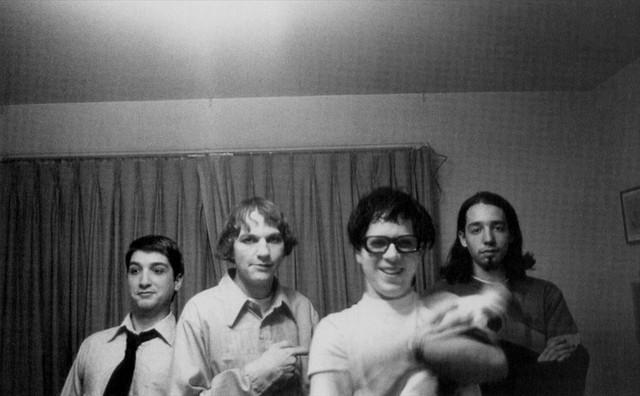
Photon Band

Rock
Indie Rock
Space Rock
 Viberate Rank: 653108
 Viberate Rank: 653108
 Monthly ListenersFollowers
 Subscribers
 Followers
 Followers
 FansTop Spotify Songs
| Track | 7-Day Streams | |
|---|---|---|
1 | 23 | |
2 | 8 | |
3 | 7 | |
4 | 5 | |
5 | 4 |
Top YouTube VideosMonthly ListenersFeatured in Playlists| Playlist | Followers | |
|---|---|---|
1 | space rock & psychedelia Edson Alejandro Adame | 8.05K |
2 | Josh Radnor's Song of the Day Sarah 🎧 | 6.37K |
3 |  Off Your Face anton newcombe | 5.86K |
Audience| City | Monthly Listeners | |
|---|---|---|
1 | | 10 |
2 | | 8 |
3 | | 6 |
4 | | 5 |
5 | | 5 |
See full performance history, audience data, playlist activity, rankings, comparisons, and more in Viberate music analytics. Start with a free trial, then continue with a paid plan.
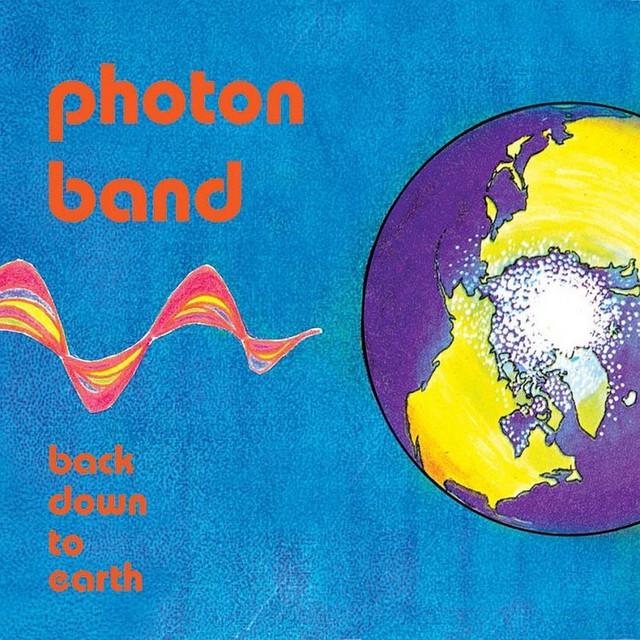
Photon Band’s Spotify BioStarting with 1996's 747 (Don't Worry) on Darla Records, Philadelphia's Photon Band unleashed a flurry of unique psychedelia-tinged indie rock onto the music scene. Led by ex-Lilys member Art Difuria and backed by drummer Simon Nagle and bassists Gary Plowman and Jeff Tanner, the band wasn't heard from again until 1999's limited-edition All Young in the Soul, while 2000's Oh the Sweet, Sweet Changes found the band embracing '60s-influenced rock. Also in 2000, the band released Our Own ESP Driven Scene Singles, an hour's worth of singles, compilation tracks, and outtakes from 1995 through 2000, as the band proved how productive an outfit it was. The disc showed different sides to the band, including wildly experimental tracks. Soon after, the limited-edition Alone on the Moon featured three fresh, adrenaline-fueled Photon Band songs over 36 minutes. The band's arsenal included tremolo on this record, and the result was an all-around resounding mini-LP. In 2002, the band unveiled the… whimsical It's a Lonely Planet, again on Darla Records. Six years later, the group released Back Down to Earth on Empyrean Records. ~ Stephen Cramer, Rovi
Viberate is a music analytics platform built for A&Rs, artist managers, labels, booking agents, marketers, and artists.
It helps music professionals track artist growth, analyze audience data, monitor playlist activity, compare artists, follow song performance, and identify opportunities across the music market.
Public artist pages provide a free preview of selected artist data. Paid plans provide access to deeper analytics, historical data, charts, comparisons, playlist tools, exports, alerts, reports, and additional professional features.
Yes. Public Viberate artist pages provide selected artist analytics and music data for free.
Viberate also offers a 7-day free trial of the full platform. A credit card is required to start the trial. The trial includes access to the complete product so users can test deeper artist analytics, historical views, playlist insights, comparisons, charts, exports, alerts, and reporting features before choosing a paid plan.
Viberate provides artist analytics across streaming, playlists, social media, video, radio airplay, songs, and audience markets.
Users can analyze Spotify performance, Spotify and Apple Music playlists, YouTube activity, TikTok and Instagram growth, radio spins, song performance, audience locations, demographics, rankings, and overall artist momentum.
Artist profiles also connect to music charts, similar artists, and comparison tools, helping users benchmark performance and evaluate artists in context.
Viberate updates key artist and track data daily.
For followed artists and tracks, selected data is refreshed multiple times per day. This helps teams monitor playlist changes, streaming movement, audience growth, releases, and campaign performance with more current data.
Update frequency can vary depending on the metric and data source.
Yes. Viberate lets users compare up to five artists side by side across streaming, social media, audience, and engagement metrics.
Users can compare fanbase growth, audience demographics, locations, Spotify performance, social metrics, and other artist data over selected time periods.
Artist comparison can be used for A&R scouting, benchmarking, booking decisions, campaign planning, and evaluating artists with similar audiences or market positions.